All posts by admin

DXC Technology: Nordic Digitalization Study

Digitalization is changing the world fundamentally: customer expectations, business models, value chains – no element will remain unaffected. Everyone seems to agree the pace is increasing rapidly, but how far is the Nordic region in adapting to a digital agenda?

In this ‘Digital Agenda 2020’ study, we have asked decision makers across the four Nordic countries; Denmark, Finland, Norway and Sweden to provide an insight into their organizations’ progression in building a digital strategy and adapting to market alterations. The amendments are not in the distance future. According to our survey, 77% of the participants say the business environment is already changing.

The survey focusses entirely on practice: what are the strategies that companies pursue in order to handle the digital transformation? How do businesses proceed; what bits of their digital agenda are particularly important for specific objectives, and in what industries and for which company sizes? You will also find inspiring case studies on how other organizations have initiated their digital transformation journeys.

Download our study today. If you want to know more about our findings or how DXC can support your organization’s digital journey, fill out the contact form in order to get your consultation.

Fetzer Vineyards feirer 50 år med vinproduksjon i California – og dette er bare begynnelsen!

Mye har skjedd siden Barney Fetzer fant det perfekt stedet i Californias Redwood Valley og plantet sine aller første vinstokker. Og ingenting av det som har skjedd, er tilfeldigheter.

Helt fra starten hadde Barney tro på at jo mer han gjorde for at vinproduksjonen skulle være i harmoni med jorden, jo mer forbedret vinens kvalitet seg. Fetzer har beholdt sine tradisjoner siden 1968 og utviklet seg til å bli en av verdens ledende vinprodusent innen bærekraft.

Fetzer

Pionér innen bærekraftig vindyrking

Barney Fetzer grunnla Fetzer Vineyards i 1968, i Californias nordligste vindistrikt Mendocino, sammen med sin kone Kathleen og deres 11 barn. Folk flest velger de enkleste løsningene, men ikke Barney Fetzer. Han tenkte annerledes enn folk flest, og ved hjelp av kreativitet, lidenskap og hardt arbeid ble han pionér innen bærekraftig vinproduksjon lenge før noen hadde hørt ordet bærekraft. Fetzer Vineyards ble i 1999 den første vingården i California som benytter 100% fornybar energi og det første vinfirmaet til å rapportere utslipp av drivhusgasser offentlig i 2005.

Fetzer ble også det første «Zero Waste» -sertifiserte vinselskapet i verden i 2014 og i 2016 ble de den første amerikanske vinprodusenten til å ta i bruk BioFiltro BIDA®– et revolusjonerende system med milliarder av meitemark som renser 100% av vingårdens avløpsvann. I samme år ble Fetzer Vineyards som første vinselskap i USA sertifisert CarbonNeutral © av Natural Capital Partners, noe som viser at vellykkede og lønnsomme bedrifter kan lede an i kampen mot klimaendringer.

Bærekraftighet er ikke nok!

I følge FN overstiger nå menneskehetens etterspørsel etter varer og tjenester planetens regenerering med 62 prosent. Det betyr at vi egentlig trenger 1,6 jordkloder for å understøtte forbruket vårt i løpet av et år.

Fetzer Vineyards har satt seg nye mål for fremtiden og begynt sitt arbeid mot at bedriftens fotavtrykk ska være netto positivt innen 2030 – altså å skape mer positive påvirkninger for miljøet enn negative.

Fetzer ble medlem av den Net Positive Coalition i 2015 for å bane vei og bygge visjon for den «Net Positive» – bevegelsen og tar sikte på å produsere vin på en måte som gjenoppretter, revitaliserer og regenererer økosystemer og lokalsamfunn, samtidig som de produserer førsteklasses kvalitetsviner på en bærekraftig måte og fremmer de ansattes helse og velvære.

«Å gjøre miljøet litt mindre dårlig vil ikke være nok for å løse våre mange globale problemer. Et radikalt skifte er nødvendig! Et mål om bare å redusere negative påvirkninger er ikke nok, man må fjerne alle negative påvirkninger og aktivt skape positive påvirkninger for miljøet» – Fetzer Vineyards

50 år med Fetzer Vineyards

Fetzer er i dag en prisvinnende leverandør av viner med bærekraftige, økologiske og biodynamiske druer. I tillegg til vingårdens flaggskipmerke Fetzer, står Fetzer Vineyards bak bl.a Adorada, 1000 Stories Bourbon Barrel Aged Zinfandel og ikke minst Bonterra Organic Vineyards, som ble kåret til «American Winery of the Year» av Wine Enthusiast Magazine i 2016.

Bonterra Organic Vineyards ble grunnlagt i 1987 av Fetzer Vineyards, og har helt fra starten dyrket i henhold til økologiske prinsipper, overbevist om at økologisk landbruk og dyp respekt for jorda gir sunnere vinstokker, mer smakfulle druer og dermed mer uttrykksfulle viner av høy kvalitet. Høns, sauer, bier, fugler og sommerfugler nyter livet i vinmarken og beriker det biologiske mangfoldet og holder skadedyr borte. På tre av Bonterra sine vingårder; Blue Heron, McNab og The Butler, dyrkes druene etter biodynamiske prinsipper.

Rising Leaders: Attracting & Retaining the Best Talent!

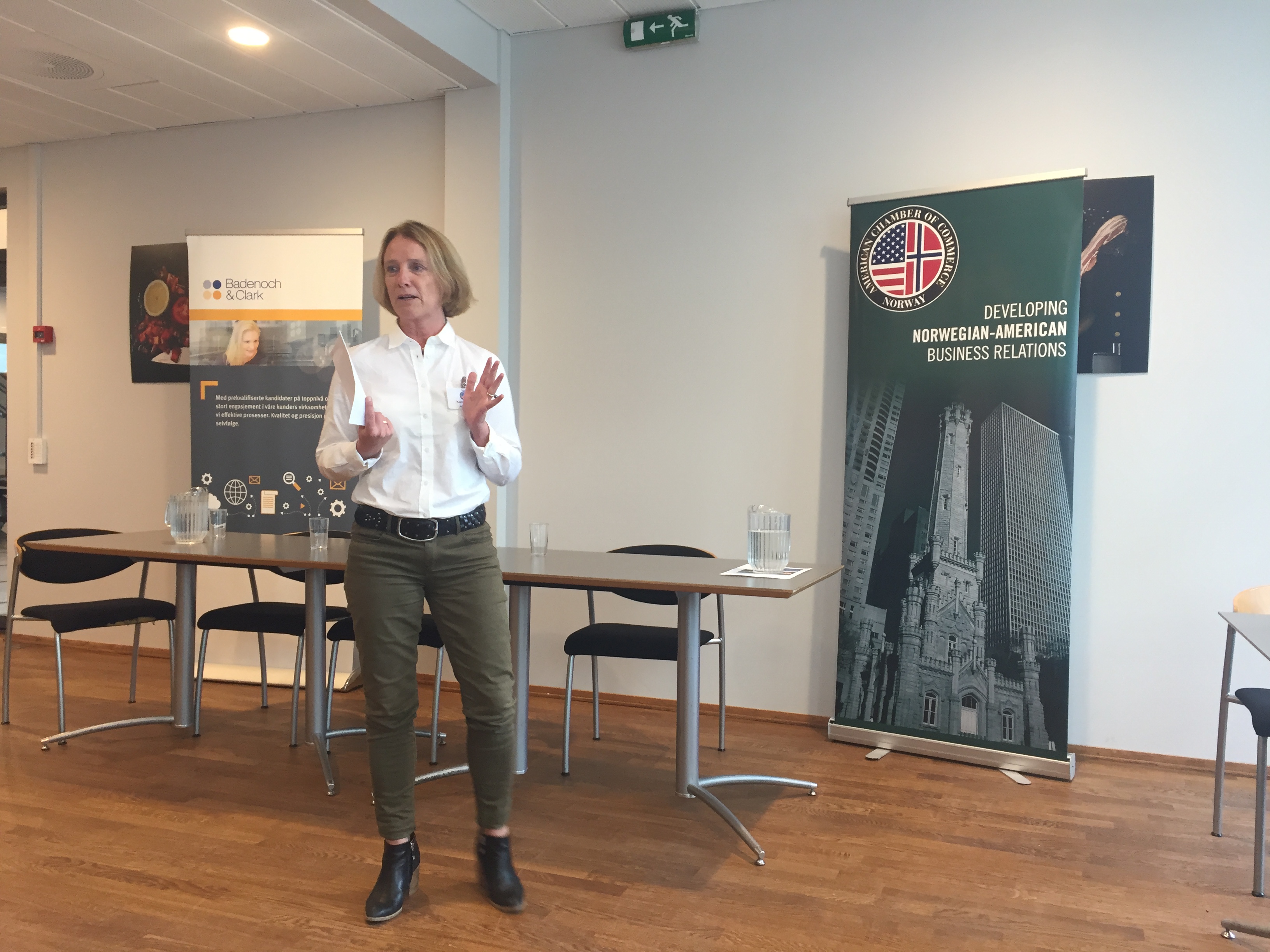
“If we are talking about how young professionals can stand out from the masses, I’d say that – by being accepted into this program – you have done so already,” MSD Norge HR Director Kari Haugli told Rising Leaders Program participants.

Attracting & Retaining

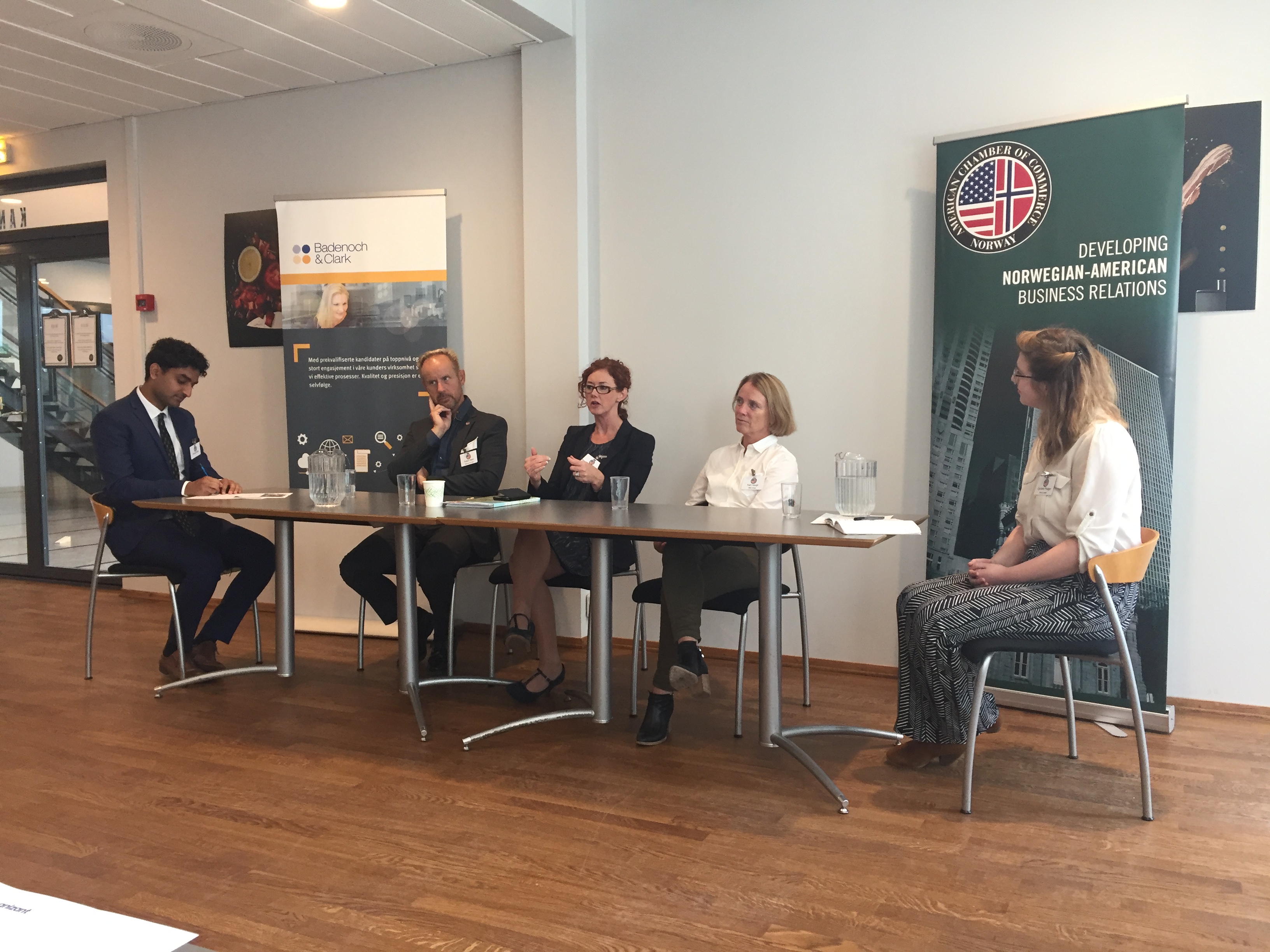
Hosted and thoroughly supported by Badenoch & Clark representatives, the meeting also included candid input from Associate HR Director Rachel Wilson Rugelsjøen of Cognizant.

“Make Ourselves Attractive”

Jan-Petter Westlie of Badenoch & Clark, a subsidiary of the Adecco Group, highlighted their leadership development program – CEO for a Month – enabling ten finalists to work as CEO interns within Adecco Group companies.

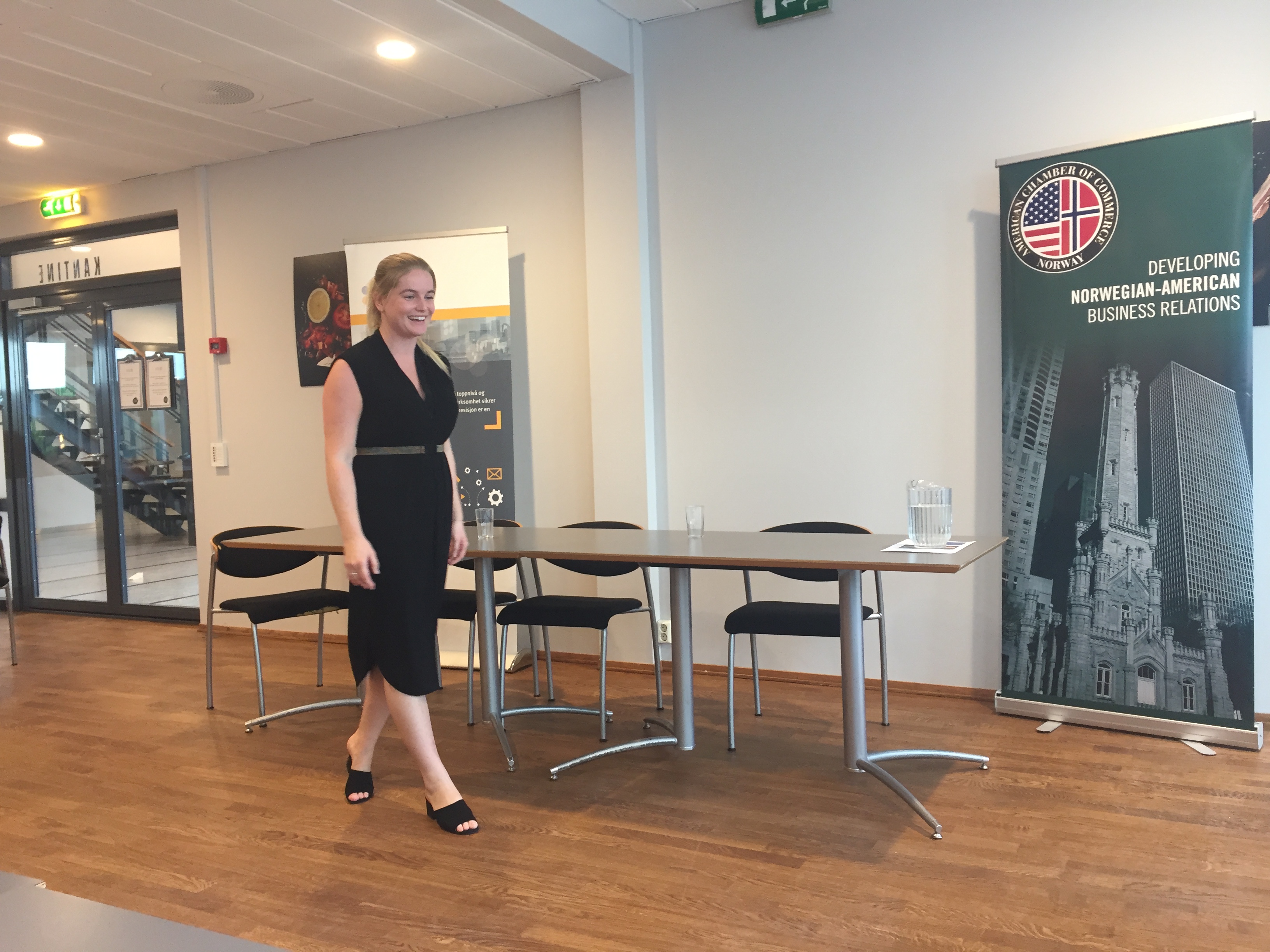
Two of the 2018 finalists, Zelia Moss and Ingvild Sandmo, presented the program as well as elaborated on how young and talented employees can makes themselves attractive for employers.

Attracting & Retaining

“Perfect academic results are not the most important thing. Do something outside your studies, show prospective employers that you are involved with activities and have gained some experience.”

“Additionally, own up to mistakes! We all make mistakes, but the important thing is to learn from them and develop,” Sandmo said.

Work for Life

Providing corporate talent management perspectives, Kari Haugli captivated the audience explaining how MSD, Norway’s largest pharmaceutical company, works to attract talent, as well as how they strive to develop existing talent.

“One factor is to work on improving the company’s brand. We have established www.workforlife.com, not only because it emphasizes our values, but it also resonates with the younger generation.”

“Millennials are more values-based than previous employees. They want to work somewhere they can make a difference. Therefore, a company’s values are important to ensure that qualified people are attracted to the company.”

“By building a base of future leaders and qualified personnel, you ensure that the company has reliable access to a pool of talents,” Haugli said.

Diversity & Patience

Before the panel debate and networking session, Rachel Wilson Rugelsjøen explained how Cognizant has grown to be a Fortune 200 company with over 260 000 worldwide employees.

Attracting & Retaining

“By participating in a program like Rising Leaders, you are already standing out from the masses. I would further encourage you to play on your differences, your diversity.”

“Many companies, such as Cognizant, are looking for diversity. All employees bring their whole personality to work every day, so focus on what makes you different. Diversity in personality is more important than diversity in background,” she said.

Wilson Rugelsjøen also emphasized the importance of resilience in millennials’ career development goals. “Do good work, be practical and patient at the same time!”

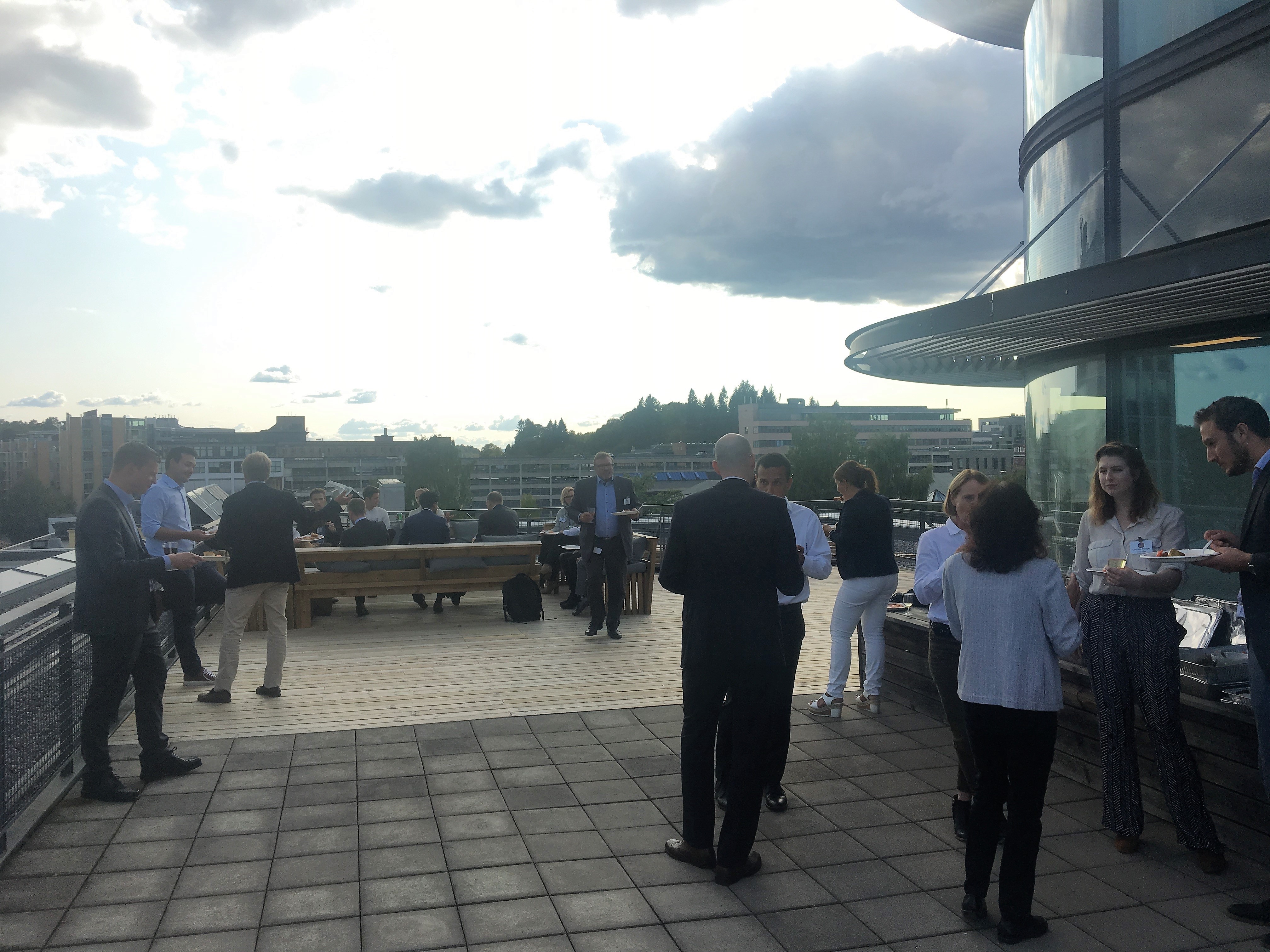
AmCham would like to thank hosts Badenoch & Clark, as well as all the speakers, participants and Rising Leaders, for continuing to develop and add value through this unique program.

Attracting & Retaining

About Rising Leaders

Rising Leaders is an initiative of the US Embassy and AmCham to provide access for young, up-and-coming leaders from diverse backgrounds to high-level representatives of the established business community. AmCham Managing Director Jason Turflinger and US Ambassador Kenneth Braithwaite officially inaugurated the program in April of this year.

The 23 program participants — consisting of 11 women and 12 men between the ages of 22 to 32—have demonstrated leadership, entrepreneurial, and/or business excellence in their educational pursuits or careers thus far. Participants engage business leaders, learn about AmCham member companies, and gain business and leadership skills.

AmCham Sustainability Forum Kick-Off: Sustainable Business as a Driver for Growth

For future success, you must ensure that you are running a sustainable business – for people, planet and profit. Sustainability is not simply a check box in the annual report. It is something that affects your business – and creates opportunities.

Many AmCham companies have been on the journey for some time, while others are trying to find their way to a sustainable future. Though our members are represented through the full specter, we know that several are at the forefront of their respective industries.

Business Sustainability Study

Joined by senior representatives of Coca-Cola, Fast Solutions, Gelato, McDonald’s, Philip Morris, Radisson Hotel Group and Roche, Gambit Hill+Knowlton presented key findings from their 2018 Business Sustainability Study of 26 of Norway’s largest companies as AmCham hosted the first meeting of our new cross-sectoral Sustainability Forum.

Sustainability Forum

The focus of the initial meeting was for invited participants to openly discuss opportunities and challenges, share best practices and determine how AmCham companies can best play a role in the Norwegian sustainability agenda going forward.

One of the key report findings was that increasingly conscious customers demand action on sustainability issues. Participants agreed, however, that few customers are willing to pay a premium for such products and services.

“It can be difficult to sell in to the top management that the company might need to accept a loss today to cash in tomorrow. But the fact remains, companies with well-planned sustainability initiatives will eventually see the results on the bottom line as well,” said Per Olav Myhre from Gambit H+K.

Best Practices

Roundtable participants welcomed the opportunity to share sustainability related challenges of operating within the Norwegian market. In fact, another of the report’s key findings was that cooperative networks and alliances are critical to driving such business process transformations.

Several participants agreed that the Nordic branches of their companies were, in fact, leading their respective headquarters on sustainability initiatives. Parent companies are, however, quickly catching up.

The importance of government’s role in driving sustainability initiatives was also underscored by the group. Clear and predictable frameworks provided by the government incentivize both public-private partnerships as well as private sector change.

Looking Ahead

Based upon overwhelming participant consensus, AmCham will continue to manage and cultivate the Sustainability Forum on a quarterly basis. Please contact us for interest in future forums.

International Leadership Interview: Lena Nymo Helli, General Manager, AbbVie

“As a leader, rather than saying, “This is how you do this,” I try to encourage people to think how they want to solve it. “

Upon having completed her pharmacist degree, Lena Nymo Helli was always determined that she wanted to work in the pharmaceutical industry. Passionate about people, innovation and collaboration, she is therefore delighted that AbbVie recently won Great Place to Work for the second consecutive year.
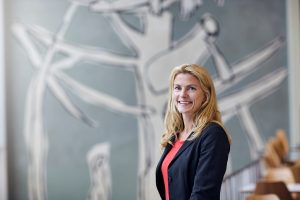
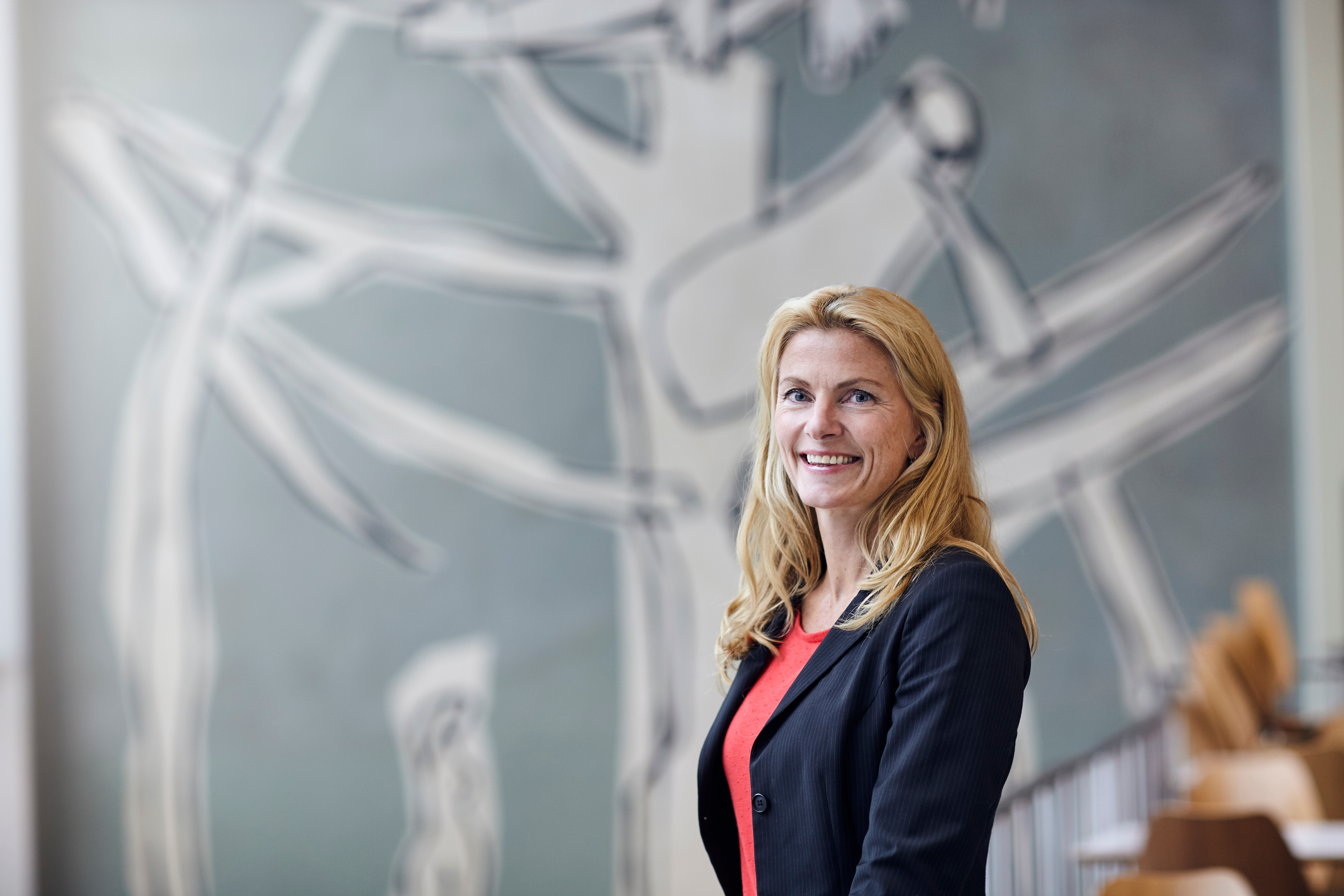
Lena Nymo Helli

(Photo: AbbVie)

Where did you start, including international experiences? A brief description of your path to where you are now, please.

Educated as a pharmacist and completed my major in Germany, I was always very conscious that I wanted to start in the pharmaceutical industry. Consequently, following completion of my degree, I began at Eli Lilly, where I worked with research and clinical studies.

Having always been inspired by new challenges and opportunities, I wanted to explore various fields within the company. During the following 16 years, after completing my degree, I was lucky enough to work within marketing and sales as a product specialist within several different therapies, and as a leader in Scandinavia for the medical department.

Thereafter, I moved to another American pharma company, Abbott, having been offered the position of Medical Director, before moving on to head up the sales and marketing department. That was one of the most valuable and challenging experiences. I went from being an expert within my field, to being a leader for people who are experts in theirs. That transition was extremely rewarding for me professionally.

In 2013, AbbVie was born from Abbott as a purely innovative pharma company, specializing in patented pharmaceuticals. I was presented with an opportunity to manage the immunology field in their Germany office, which is rather systematic for AbbVie; we work methodically to develop our employees within many fields and geographies, which creates numerous opportunities.

Generally, I do believe that experiencing different working cultures in other countries is vital to ensure professional development, and despite not speaking German fluently and not having lived there since my student days, the family and I decided to go for it!

Essentially, the role was the same as the one I had in Norway, it was just a different dimension. Germany is AbbVie’s largest market outside of the US and I was suddenly managing 300 people all over Germany. It was tough, but I do not regret it for a second!

After two years, the position as a General Manager in Norway became available and we moved back home.

What are the important decisions you make as a leader of your organization and how do they impact its global presence? Please share any recent examples.

One of the main advantages of being in a small country is the opportunity to spearhead pilot projects. It is often easier to test new projects and ideas in a smaller country before potentially implementing on a larger scale. Particularly advantageous in Norway are pilots related to digitalization, as Norwegians are generally very technologically savvy, and the infrastructure is well developed.

Obviously, the headquarters in the US and the European headquarters in Paris have their strategies that we need to implement and take into consideration here in Norway as well. Although as the General Manager for the Norway affiliate, I have the authority to make the decisions for how we operate domestically. So, in Norway, we have made a conscious decision that we want to be active in every aspect of the value chain. That means taking an active role in research and development, i.e. supporting Oslo Science Park (Forskningsparken) and contributing to their success, supporting production in Norway and working for a good framework in Norway that allows fast access for new medicines in the Norwegian market. Those are local decisions made domestically because we want to be present to contribute to a more sustainable healthcare industry in Norway.
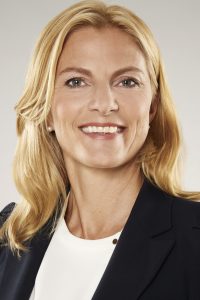
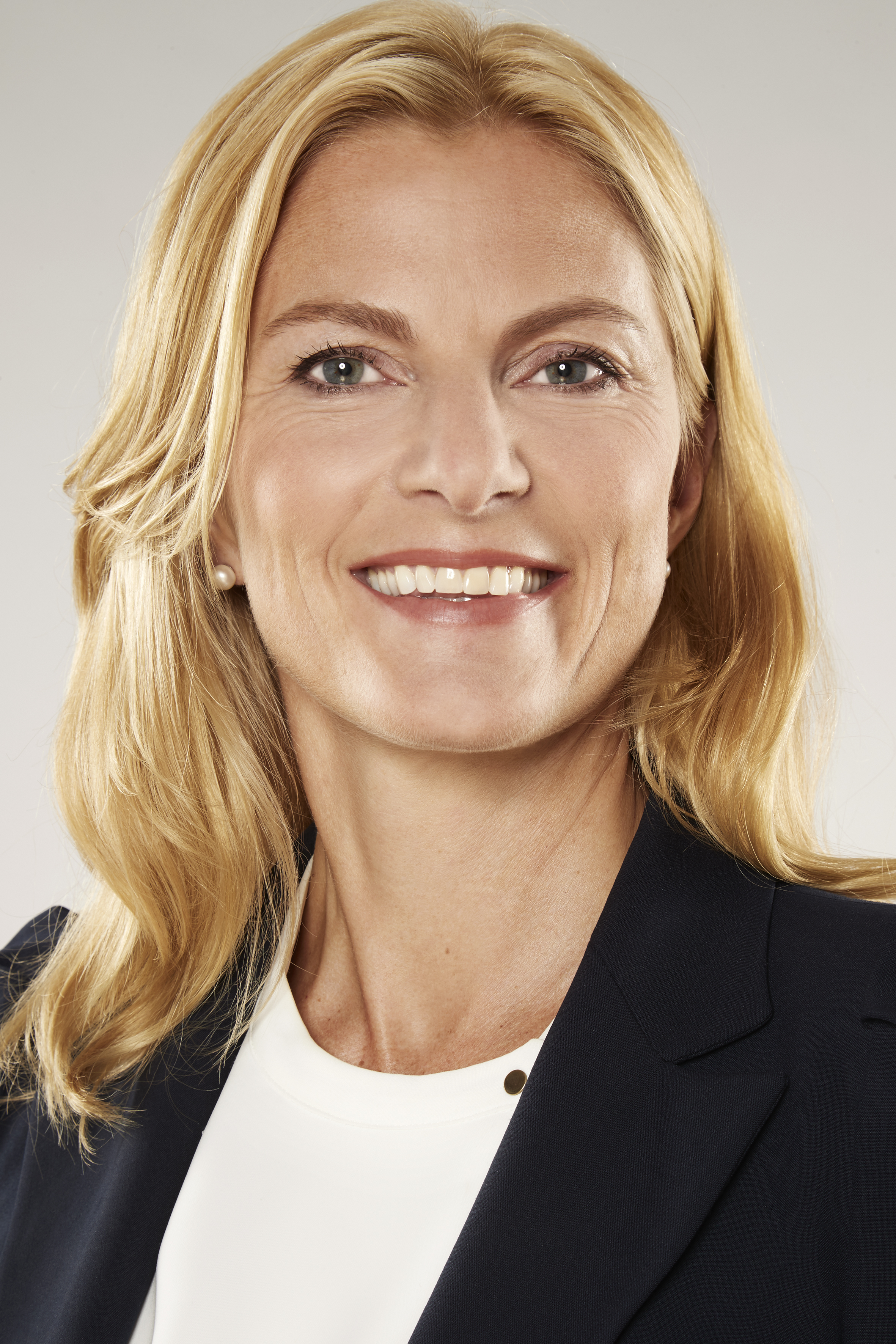
Lena Nymo Helli

(Photo: AbbVie)

Additionally, to emphasize our local operations, and how we wish to conduct our business, we have made our own mission statement here in Norway. Seeing as what we do is making medicines for patients with chronic and serious illnesses, our mission in Norway is to be leading in every way, to create and display value to patients, to the society and to business.

We take our mission to provide value to the society very seriously. In Norway, we have an excellent public healthcare service. However, the main challenge is the lack of collaboration between the public and the private sectors, which complicates the situation.

Based on what I learned in Germany – where the public and private cooperation is highly valued –collaboration can be extremely advantageous to all parties in the healthcare industry. It is vital to improve this aspect in particular if we want to build a sustainable industry in Norway. However, we are now experiencing some progress such as government white papers and political platforms highlighting a desire to increase these efforts.

Another excellent example of collaboration initiative is the AmCham-facilitated roundtable meeting the industry had with Health Minister Bent Høie. I had never experienced that in Norway before and it is a very positive signal and an important step, as both parties must address challenges together to create value.


How do you build team morale and maintain the creativity of a diverse team within an international organization? 

At AbbVie, we have worked systematically with company culture for many years. To incorporate a company culture everyone can be proud of is not a quick fix, but when done correctly it is a great tool to boost and maintain morale. One tool is the Great Place to Work award, which we have won for two consecutive years. This is obviously highly motivating for us.

We have taken a structured approach to figuring out areas in which we excel, and how we can incorporate our values, ambition and expertise into our new mission statement. In which direction do we want to go in Norway, and how can we get there? Subsequently, we want to communicate this to the employees. It is essential that they are involved in the process. Several people have been given new challenges and have moved positions internally, which ensures that they are able to see what is required within the different departments. As a result, we have experienced great unity within the company.

In our experience, communicating what we do and why we are doing it helps generate a sense of connection and motivation that has proved invaluable and makes people proud to be a part of the AbbVie team. It goes both ways as well. If we lose a tender, it is important to be transparent, too, to learn how we can improve. It is important to mark successes as well as learn from failures.
Lena Nymo Helli

In terms of creativity, I think it is important for people to feel that they are allowed to contribute with ideas and for those ideas to be heard. As a leader, rather than saying, “This is how you do this,” I try to encourage people to think how they want to solve it.

Would you use the same leadership style in a different organization? In a different country? How important is it to tailor your leadership style to your team and environment?

My leadership style is about the people, as they are our greatest resource. Currently, when digitalization and automation are buzzwords, it is imperative to remember that every company is still depending on its people. At the end of the day, they are the ones performing and they are the company’s most valuable resources. The interaction between people cannot be automated and, as such, is essential for growth.

I do my utmost to ensure that I communicate well and remain close to the people in my teams. In Germany, it was somewhat more formal, more hierarchical, and I was more expected to tell people what do to, rather than encouraging them to figure out solutions to challenges. Regardless, people are still people and I worked hard to remain myself and true to my principles.  When I left, I got a card from the team saying that I had won their trust through being tough on the business, but nice in the interaction with people, and this was a great testimony that underlined this for me.

In Germany, it was a larger team, with 300 people. It took time to get know them all, but I started with the people in the leadership team and the middle managers and focused heavily on setting direction, implementing strategies and involving the team in those processes.

Due to the language barrier, however, I decided – having started there in September – that by Christmas I would only speak in German. I warned my colleagues that it might go slow, but they appreciated the effort and understood that I actually wanted to work with them and did not just stop by to boost my CV. My best advice to the younger generation is to be curious and do a good job where you are, rather than focusing too much on the next step. That is the best way to prove that you are good at your job, and to get new opportunities.

Additionally, I think they expected me to be slightly more direct in Germany. They expected more rigid answers, to which I had to adapt.

Another quite noticeable difference was being a female leader in Germany compared to Norway. On several occasions, at events or similar, people were surprised to see a female director, which is something I have never experienced in Norway.

Conversely, there are things the Germans are very good at, such as cooperation within the healthcare sector and access to new medicines. Germany is a large country, with different perspectives than in Norway. When one sees how they can make collaboration work in the healthcare industry, it is strange that we are not better at it in Norway.

How do you ensure that your team and your company’s services are aligned to your company’s core vision?

If the employees do not remember, or do not know, the core vision or mantra, than as a leader one has failed to communicate this well enough. The company’s global vision is one thing, but when we made our Norwegian statement to highlight our core vision, we strived to ensure that we involved everyone and that everyone could relate to it and utilize it as a motivational tool. The key is to involve the employees, as it is everyone, not just the management that has to live it. 

What do you believe are shared traits among leaders? Any common mistakes? What is unique about being a leader in Norway compared to leading an organization in another country?

One of the most critical errors leaders can make is failing to see what is next – which challenges or opportunities lie ahead. As developments are occurring increasingly faster, it is imperative that leaders are able to have several thoughts at the same time. To think about current challenges while simultaneously thinking ahead. “How would this decision impact the company five years down the line?”

Results are current, and it is important to mark them, celebrate them with the team or with the entire company, but then also move on. For me, the people are the company’s most valuable asset and in Norway, it works well to lead rather than manage. Being able to adapt to country specific preferences like that, such as when a leader is brought in from abroad, is important.

It is also important to be curious, read and gain new perspectives. As a leader you are expected to make decisions, not just delegate.

How does technology affect you day-to-day and help to develop your leadership style?

We are marvelously dependent upon technology. If the internet is down at the office, the queue at the coffee machine gets very long. At AbbVie, we have developed good internal routines for video conferencing and intranet solutions as communication channels. It is both timesaving and environmentally friendly as it reduces the need to travel.

For developing our new products as well, technology is vital. Clinical trials, for example, are processes that are significantly improved by digitalization, which in return ensures that our products are tested faster with even better quality so that they can be introduced to the market to benefit patients.

How do you continue growing and developing as a leader?

I like to expand and utilize my network. It helps me to understand and look at the larger picture. This is why a network like AmCham is crucial. I can sit in a meeting, listening to a company like Microsoft, and think how their developments and new products can affect our industry.

In addition, I like to read articles on leadership, digitalization or about the future in general, have coaches or mentors and attend leadership meetings to gain new perspectives.

How does your leadership style translate into the services/core competencies enjoyed by your clients?

I think some colleagues would say that I changed slightly after my time in Germany. However, the style appears to be working well in AbbVie. They also have people in focus and the All For One AbbVie attitude is important to ensure that everyone is pulling in the same direction. It is motivating to provide the tools required for people to cooperate and excel together.

What are some of your recent projects and developments that you are excited to share?

Primarily, we are incredibly proud that we have won Great Place to Work for the second consecutive year. We are extremely happy and proud of that award and it is motivating for everyone at AbbVie to see that our ideas and philosophies are rewarded. We work systematically to build trust and to promote the development of our people, collaboration and inclusion internally.

I am also proud of several new digital implementations, and that we have increased the amount of clinical studies in Norway, despite the general trend being the opposite.

Where do you see yourself and your company in the next five years?

We will still be here to create value for society, patients and AbbVie, while we remain an active player in the healthcare debate. I also think we will grow to be a more diversified company as we currently have an exciting pipeline of new, excellent products. Through research and development, AbbVie will remain an integral part of shaping a sustainable healthcare service in Norway.


What do you see in the next generation of leaders aspiring to run an international organization? Any advice for them?

For me, travelling abroad was a remarkably useful leadership experience and something that I would recommend all aspiring leaders do. By challenging and moving your comfort zone, you learn a great deal about yourself and you are likely to experience opportunities and challenges you would not get otherwise.

For any young, aspiring leader, I would advise to be adaptable, versatile and curious. Never stop being curious!


What is the latest time you responded to an email last night?

I responded to one around 10 pm. Generally, I do not expect an answer when I send emails late, but it is important to have those ground rules established within the team. Some might prefer to answer emails in the evening, but that does not mean that answers are expected immediately. People work differently and should be allowed to do so. It is all about finding the right work-life balance and rhythm.
 

Norway sends dual citizenship bill to parliament

Norway’s government on Friday submitted a bill to parliament allowing Norwegians to have dual citizenship, bringing the country into line with most other countries in Europe.

“As we allow double citizenship, we are ensuring that Norwegian law follows developments in a more globalised world, with more and more connections to more countries,” said Jan Tore Sanner, Minister of Knowledge and Integration.

If voted through, the bill will allow Norwegians to retain their Norwegian citizenship, even if they become citizens of another country. The same will apply to foreign citizens who wish to become Norwegian.

“This is very good news for Norwegians living overseas,” said Hanne K. Aaberg, Secretary General of Norwegians Worldwide.

Currently citizens of Iraq, Afghanistan, Eritrea and Somalia are permitted to retain their former citizenships even after becoming Norwegian.

“The regulation today has a number of exceptions. Among other things, over half of those seeking Norwegian citizenship can retain their original citizenship,” Sanner said.

The proposed bill also sets up a simple procedure through which Norwegians who have lost their Norwegian citizenship when becoming citizens of another country can reclaim it.

Sanner said one of the advantages of dual citizenships was that it would make it easier to strip citizenship from Norwegian citizens with foreign backgrounds who carry out terror offences.
“The possibility of depriving some people of citizenship could in some cases be crucial to safeguarding our security,” he said.

“This has great emotional and practical significance for our members. Many Norwegian families abroad are heavily affected by the proposed legislative amendment.”
The bill will be debated and voted on in the parliament in the autumn.

Norway is now the only Nordic country which does not permit dual citizenship, and one of only three countries in Europe, together with Austria and The Netherlands, who do not allow dual citizenship.

Merck (MSD) place second on Furtune’s “Change the World” List

The timing was tragic. Merck embraced a vital mission in 2014 when it began developing an Ebola vaccine in collaboration with Canada’s public health agency and NewLink Genetics, not long after the deadly virus broke out in West Africa. Effective vaccines take months to create, and by the time V920 could be deployed, the disease had claimed thousands of lives.

But when the scourge rose again earlier this year, in the Democratic Republic of the Congo, Merck was ready. It shipped nearly 13,000 doses of V920 to the World Health Organization, which provided vaccinations to more than 3,300 people. The DRC’s health ministry says no vaccinated people developed the disease—and with another outbreak declared in the eastern DRC in August, Merck’s lifesaver is on the front lines once more.

Ræder: Amerikansk praksis setter standarden i Norge

Internasjonale avtaler er ikke noe nytt for norske virksomheter, men den økte bruken av avtaler basert på angloamerikanske kontraktsmaler gir nye utfordringer når kontrakter skal inngås over landegrensene. I Ræder arbeider en større gruppe advokater med internasjonale avtaler. Tre av dem har advokatbevilling i USA, og dermed ekstra gode forutsetninger for å bistå nordmenn i verdens største marked.

Vi har samlet tre av Ræders internasjonale eksperter, for å ta del i deres erfaringer. Partner Morten Opstad har fulgt flere norske selskaper fra gründerfasen til børsnoterte, internasjonale virksomheter. Han jobber tett med partner Carl Garmann Clausen, som startet advokatkarrieren sin i New York og som senere har jobbet med internasjonale problemstillinger i Ræder. Senioradvokat Lisa K. Digernes har også advokatbevilling i USA. Hun er spesialisert på opphavsrett og medie- og underholdningsrett.

Avtaler som dekker alt

Lisa innleder samtalen med å påpeke at den internasjonale utviklingen gir mindre rom for forhandlinger om avtaletekster.

– De store, internasjonale konsernene legger frem avtaler som leverandører, kunder eller samarbeidspartnere, i stor grad må ta til etterretning, med begrensede muligheter for forhandlinger.

– Hovedsaken i alle avtaler er de kommersielle betingelsene. Her legger selskapene fortsatt premissene, mens mindre, norske selskaper blir ofte overkjørt av sin internasjonale motpart. Som advokater og rådgivere er vår oppgave å nedfelle de kommersielle vilkårene, slik at de i ettertid forstås likt av begge parter og hjelpe våre kunder med å vurdere risikoen i avtalen. Da er det avgjørende å se på hvordan risikoen skal fordeles hvis noe går galt, og sikre at dette avspeiles i avtalene. Mitt inntrykk er at en del selskaper tar alt for lett på dette, sier Morten.

– Ved inngåelse av avtaler eller gjennomføring av transaksjoner er vi ofte med i hele prosessen. Da kan vi hjelpe til med å legge et riktig sett med forutsetninger for avtalen, som sikrer rettigheter, en økonomisk- og skattemessig god løsning og en rettferdig fordeling av risiko mellom partene. Men, det hender også at vi kommer inn i siste fase. Da sitter enten et norsk eller utenlandsk selskap med en nærmest ferdigstilt avtale de ønsker en juridisk vurdering av. Da går vi gjennom dokumentet, og kommer med råd på avvik mellom det som er nedfelt i avtalen og det vår klient mente var avtalt. Ofte er det dessverre vanskelig å gjøre de store endringene til fordel for vår klient. For å få til de større endringene må partene starte på nytt eller de velger å avslutte samarbeidet. Tolkningen av utenlandske avtaler har blitt viktigere, og mange selskaper har ikke forutsetninger for å se konsekvensene av avtalepunktene de får fra utenlandske selskaper. I Norge har vi historisk hatt et avtaleverk som har vært kortfattet og som har tatt med seg de viktigste punktene. Da jeg kom til Norge fikk jeg helt hakeslepp av disse korte, norske avtalene. Jeg var vant til de amerikanske på 40 sider, som dekket absolutt alt, sier Lisa.

Setter standarden

Nå setter den amerikanske avtaleutformingen standarden for mange internasjonale avtaler for norske selskaper. Dette kan også gjelde i forhold til avtaler mellom selskaper i Norge.

– Fra da jeg kom tilbake fra USA til nå, har vi blitt langt mer internasjonalisert. Selv avtaler mellom selskaper i Oslo og Drammen er på engelsk. Begreper og terminologi er hentet fra USA. Vi er på et helt annet nivå enn vi var for ti til 15 år siden. Det gjelder både kompleksitet og den angloamerikanske påvirkning. Men, engelskspråklige avtaler mellom norske selskaper er fortsatt enklere i formen. Det amerikanske markedet har avtaler med en størrelse, kompleksitet og språkdrakt som er vanskelig og lite tilgjengelig for både norske klienter og norske advokater, sier Carl.

Når Ræders eksperter bistår klienter med juridiske problemstillinger i USA, gjør de det alene eller sammen med amerikanske samarbeidspartnere.

– USA er et land som skaper særskilte utfordringer for utenlandske aktører. Når man etablerer virksomhet der eller har kontakt eller tilstedeværelse av et visst omfang, vil eller kan man komme inn under amerikansk jurisdiksjon. Eiere og styret kan få et ansvar, og det er mer vanlig å trekke dem for retten, enn for eksempel i Europa. Derfor samarbeider vi tett med amerikanske jurister når fagområdet eller kompleksiteten i arbeidet tilsier det. I dag har vi nærmere ti amerikanske samarbeidspartnere som vi arbeider jevnlig sammen med. De dekker et bredt spekter av advokatfirmaer, både store kontorer og mindre kontorer, og også noen spesialiserte miljøer. I tillegg har vi partnere i de viktige geografiske områdene der norske selskaper er etablert eller har sine samarbeidspartnere, sier Carl.

– En del saker overlater vi naturlig til disse advokatene. I inngrepssaker for eksempel, kan det ofte være en fordel å kommunisere fra et amerikansk advokatfirma, for å vise lokal tilstedeværelse. Det samme gjelder avtaler som typisk bør håndteres lokalt, som ansettelser og eiendomstransaksjoner for å nevne noen, sier Lisa.

Behov for beskyttelse av immaterielle rettigheter
Til gjengjeld har Ræder i flere tiår arbeidet mye med både internasjonale oppsett, konsernstrukturer, IP, selskapstransaksjoner og konserninterne avtaler. De har levert malverk for bruk overfor kunder og leverandører i både Europa, Amerika og Asia.

– Jeg fikk interessen på 90-tallet. Da var jeg, som nå, rådgiver for teknologiselskaper. De søkte seg ut, blant annet for å skaffe finansiering og partnere. Jeg så at utenlandske selskaper hadde større fokus på hvordan de immaterielle rettighetene var beskyttet og hvor disse rettighetene var registrert, enn det norske investorer var. Da ble interessen for forretningsjussen utenfor landegrensene vekket, og jeg begynte målrettet å bygge kompetanse på området. Den gang var norske selskaper naive. Nå er de langt dyktigere. Men, jeg ser fortsatt at norske selskapers immaterielle rettigheter kan bli stemoderlig behandlet i forhold til hva tilfellet er i utlandet, sier Morten.

Når det gjelder Asia bruker Ræder også der lokale partnere. Styrken av en avtale, forståelsen av den og hvordan den følges, er elementer som norske virksomheter må ta i betraktning når de nå for eksempel søker seg mot det enorme kinesiske markedet.

– I Kina kan kontrakten i noen situasjoner kun være én av ere faktorer som styrer samarbeidet. Det å forstå dynamikken, tankegangen og kulturen er kun noen av de utfordringene utenlandske selskaper møter i Asia og spesielt i Kina, sier Lisa.

Teknologiutviklingen påvirker alt

Hva er de viktigste internasjonale trendene dere ser nå? 

– Teknologiutviklingen påvirker alt. Vi ser en økt standardisering og automatisering av alle typer juridiske prosesser. Det vil påvirke norske selskaper, fordi det vil fremtvingeet avtaleverk hvor amerikanerne har satt premissene, sier Morten.

– Og, det vil bli enda mer fokus på verdiene av data, på datasikkerhet, på compliance og personvern, sier Lisa.

– Vi ser antagelig bare begynnelsen på disse utfordringene i dag gjennom de omtalte «lekkasjene» av personopplysninger fra Facebook, avslutter Morten.


Denne artikkelen ble først utgitt i Rædaksjonelt v. 01/2018 – vårt eget kundemagasin. Der kan du lese fagartikler, intervjuer med våre medarbeidere, samt få innsikt i gode kundehistorier og caser vi har arbeidet med. Mer fra Rædaksjonelt finner du her.

AmCham’s Arendalsuka Debate: The Pharmaceutical Industry Revealed

According to data from Apeland and Norstat, only 5% of the population in Norway considers the pharmaceutical industry to be trustworthy, with only 52% of Norwegian survey respondents reporting any familiarity with the industry at all.

AmCham’s Arendalsuka Debate

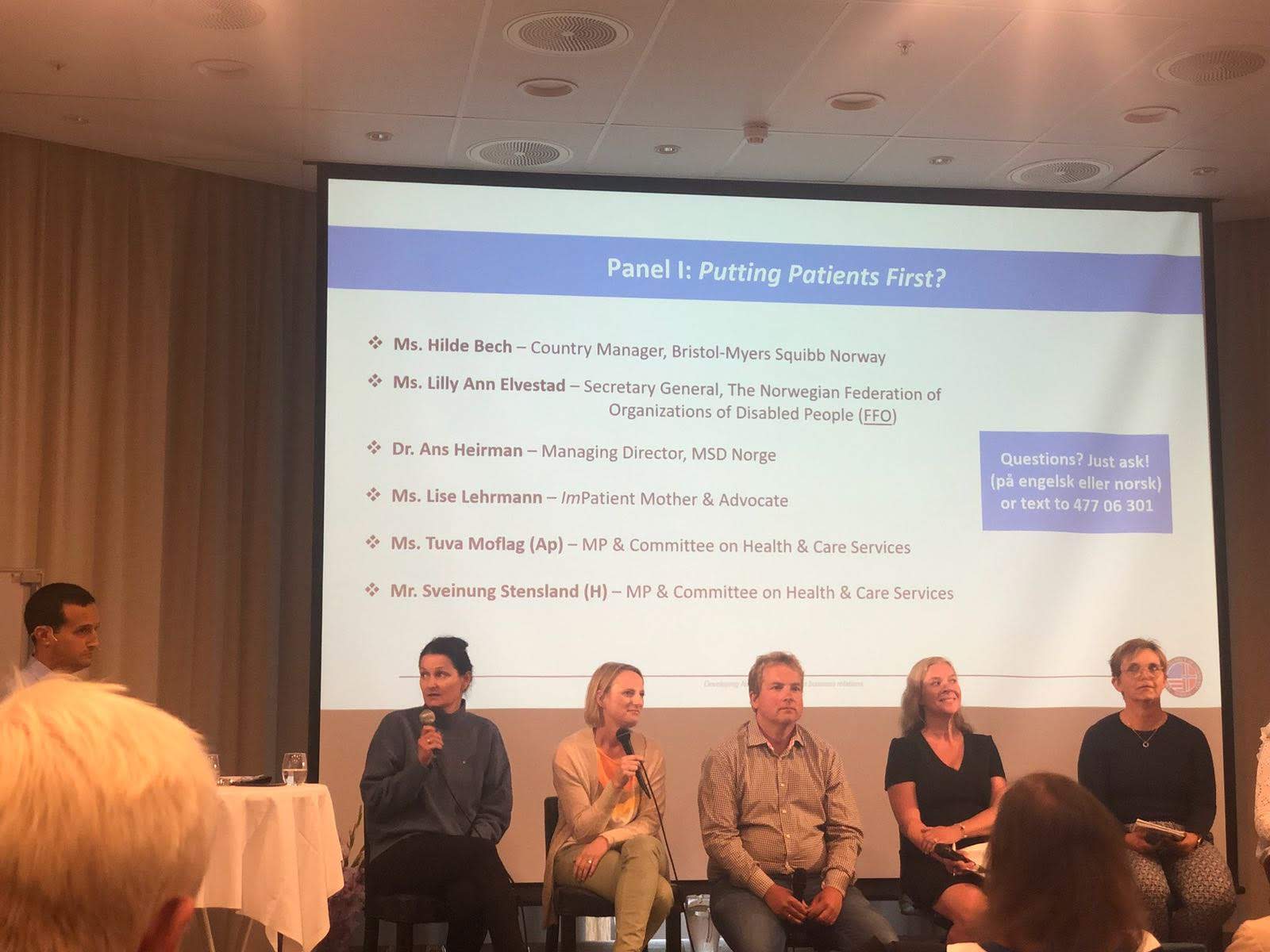
With these statistics as a starting point, a panel consisting of senior representatives from the pharmaceutical industry, politicians and patient organizations, delved deeper into pharmaceutical industry perceptions in Norway and what the future of medicine holds.

The discussion – divided into two sessions and led by AmCham Managing Director Jason Turflinger – started with panelists’ views on putting patients first, before the second panel explored the future of medicine.

Putting Patients First

Dr. Ans Heirman, Managing Director of MSD Norway, directly addressed the pharmaceutical industry’s reputation: “We do not have a history of communicating with the public, but rather with healthcare professionals and government officials. It is important that our industry starts communicating with people.”

Lisa Lehrman, a profiled patient representative, strongly agreed that there should be more communication. “The lack of contact between the pharmaceutical industry and the authorities is worrying.” As a mother of a child suffering with spinal muscular atrophy (SMA), a rare neuromuscular disorder, Lehrman found there to be seemingly limited negotiations between the two sides, leaving dependents helpless.

With only one drug treatment currently available on the market, SMA patients found themselves in the crossfire of a 10-month long price negotiation between the government and producer over what was publicly deemed by the Minister of Health as an ‘unethically high price.’

As a result, during this time-period, one of the patients in need of this vital medicine passed away. In order to reduce tragic consequences and expensive legal battles, Lisa is a proponent of increased dialogue and cooperation between the pharmaceutical industry, healthcare providers, and the government.

AmCham’s Arendalsuka Debate

Addressing the perception that pharmaceutical companies are seeking unethically high prices, Hilde Bech, Managing Director at Bristol Meyers-Squibb in Norway, asserted the importance of research in the pharmaceutical industry’s priorities and planning.

“We are a research intense industry. If we were only concerned with profits, none of us would work in an industry which aims to improve and save lives. If we were merely concerned with revenues, we would focus on producing medicine for the masses. However, we develop treatments for rare diseases, which are costly to cultivate.”

Sveinung Stensland, Member of Parliament for the Conservative Party, shared similar views, “The pharma industry is the most intensive when it comes to R&D, nearly 30% of their revenue goes towards R&D. It’s a high risk to run a pharma company.” He acknowledged that there had been difficult debates when it comes to pricing in recent times.

Tuva Moflot, Member of Parliament from the Labor Party, welcomed increased dialogue between the government and pharmaceutical industries, and stated that she looks forward to having many more meetings with industry representatives. “It is important to learn to have a dialogue and find new ways to optimize working together.”

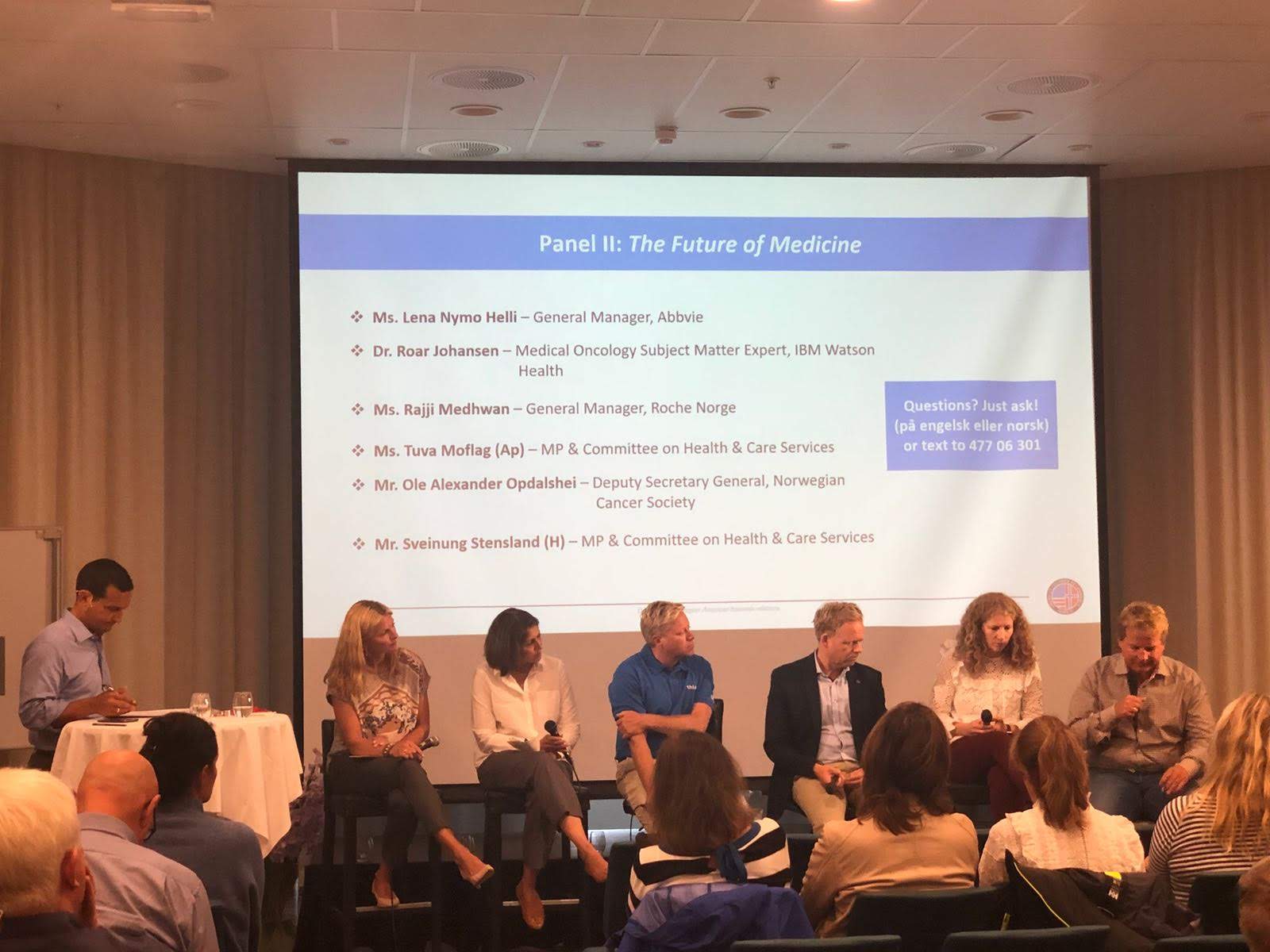
The Future of Medicine

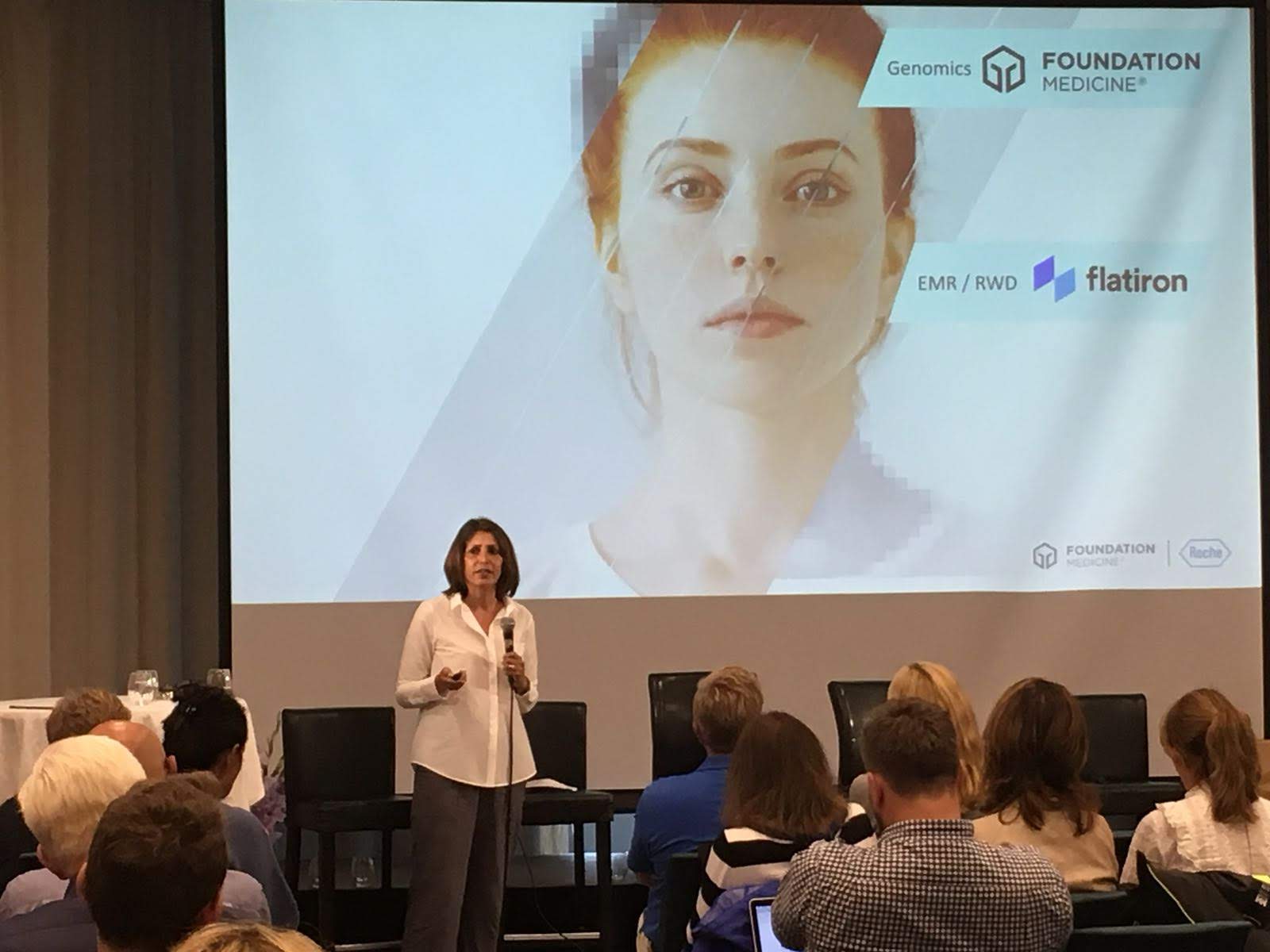
Rajji Mehdwan, Managing Director of Roche Norway, pointed out that tremendous progress in technology and medicine has allowed them to personalize treatments. She noted that this was largely made possible through the availability of data on a mass scale.

AmCham's Arendalsuka Debate

This availability, and coming advancements in technology and analytics, would allow them to use collected data to create customized, personalized solutions, rather than the one-size-fits-all approach of the past.  This is achievable through comprehensive genomic sequencing, machine learning and digital data that intelligent systems will use to suggest treatments that are most likely to be successful for the individual patient.

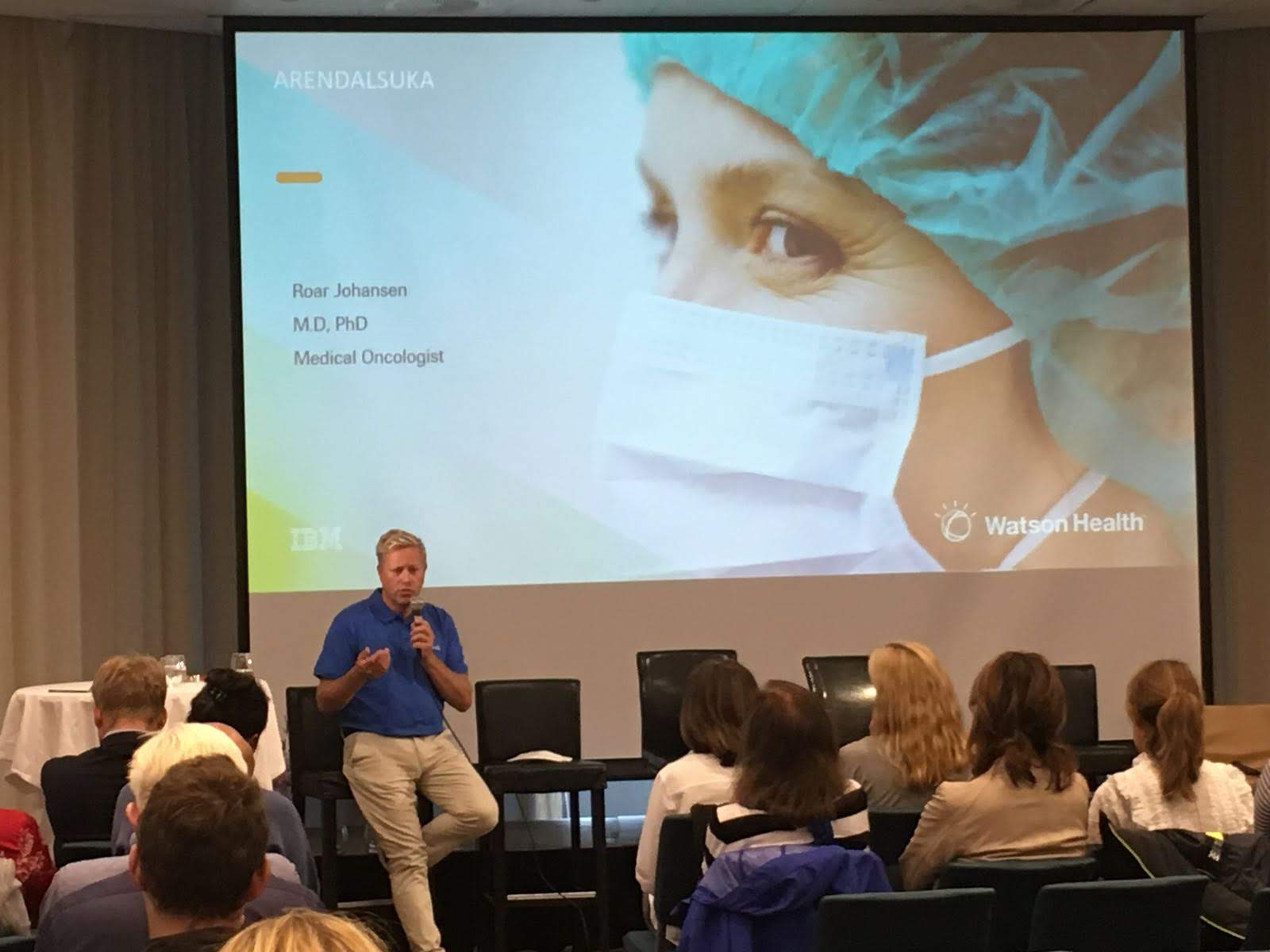
Roar Johansen, Medical Oncology Subject Matter Expert from IBM Watson Health, highlighted the technological advancements which can be achieved through IBM Watson. These include clinical trial matching, which screens patient profiles against available clinical trials, thus enabling a faster workflow for vetting patients for eligibility, and ultimately a chance to accelerate trial recruitment.

Similarly, Watson for genomics is able to take the status of individual genes and provide associated drug treatments by taking large volumes of genomic data from an individual patient and matching that with available literature.

AmCham’s Arendalsuka Debate

In addition to technical advancements in medicine, Lena Nymo Helli, Managing Director of Abbvie Norway, emphasized three aspects which will be critical when addressing the pharmaceutical industry’s future in Norway: First, there is a need for policies that address the entire health industry value chain. It is important to see the bigger picture, and part of this is recognizing that there is a strong home market in Norway.

Second, there is a need for incentivizing good public-private cooperation. Third, Nymo Helli emphasized the need to make Norway an attractive destination for healthcare investments, and thus innovation.

Norway’s Role in the Future of Medicine

Nearly all panelists acknowledged that Norway is already lagging in ambition, strategy and measurability. While all welcome the new whitepaper on health anticipated to be published in 2019, the panelists all underscored that greater measures are needed to tackle the challenges ahead.

Ole Alexander Opdalshei, from the Norwegian Cancer Association, asserted, “We’d like to be optimistic when it comes to personalized medicine. So far, we have promising signals from the Minister of Health regarding personalized medicine. However, the problem is that this must be achieved within today’s budget limits. If we want to be serious about personalized medicine, we need to invest additional funding.”

Mehdwan stressed that not everything needs to be achieved at a domestic level. She stressed the need to Co-Create with other countries: “We don’t have to build everything from scratch in Norway, we should focus our efforts on what needs to be done here, and for the rest, borrow with pride from other countries”. She further stated: “The international race is on, and let’s make sure here in Norway we are leaders.”

AmCham’s Arendalsuka Debate

AmCham sincerely thanks all coordinators, panelists and guests who attended during a very busy week!

Panel I – “Putting Patients First”

  • Hilde Bech, Country Manager, Bristol-Myers Squibb Norway
  • Ans Heirman, Managing Director, MSD Norway
  • Sveinung Stensland (H), Committee on Health & Care Services, Norwegian Parliament
  • Tuva Moflag (Ap), Committee on Health & Care Services, Norwegian Parliament
  • Lilly Ann Elvestad, Secretary General, The Norwegian Federation of Organizations of Disabled People (FFO)
  • Lise Lehrmann, ImPatient Mother & Advocate

Panel II – “The Future of Medicine”

  • Lena Nymo Helli, General Manager, Abbvie
  • Rajji Medhwan, General Manager, Roche Norge
  • Ole Alexander Opdalshei, Deputy Secretary General, Norwegian Cancer Society
  • Sveinung Stensland (H), Committee on Health & Care Services, Norwegian Parliament
  • Tuva Moflag (Ap), Committee on Health & Care Services, Norwegian Parliament
  • Roar Johansen, Medical Oncology Subject Matter Expert, IBM Watson Health

AmCham’s 18th Annual Golf Tournament

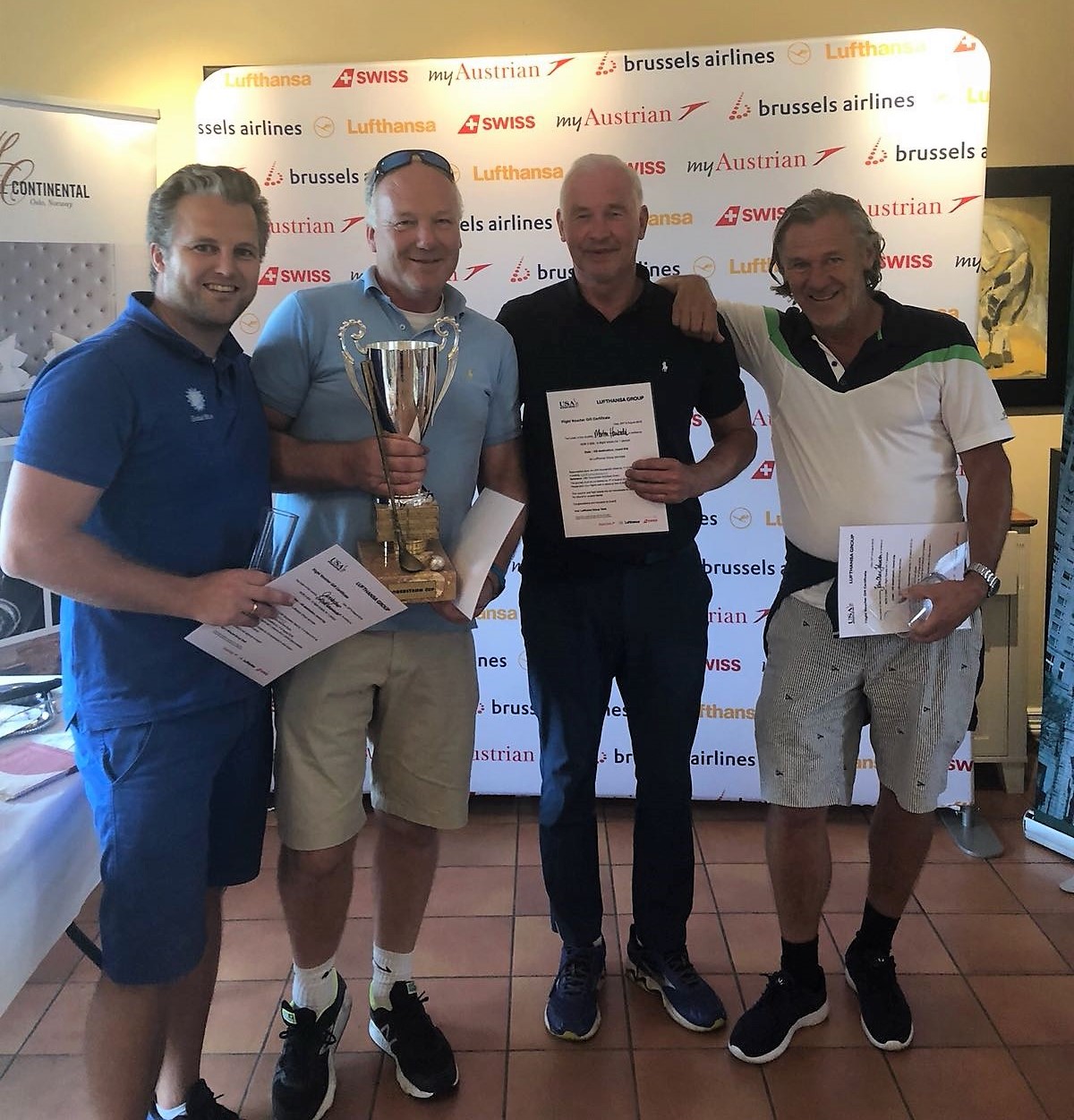
A fully-packed flight of players relished in spirited competition and networking as Team Global Blue claimed the coveted Søderstrøm Cup and US voyages from Lufthansa at AmCham’s 18th annual golf tournament.

18th Annual

In a tantalizingly close Texas Scramble competition – where only three strokes separated first and 14th place – team Global Blue kept their nerve on the final nine holes at Bærum Golfklubb to claim the trophy ahead of team Aker and team Grant Thornton, with teams Elavon and PwC following just behind.

Their efforts were rewarded with four overnight stays for two at Hotel Continental for those in second place; lounge access at Gardermoen airport, courtesy of Avinor, accompanied by Losby green fee tickets from PwC for third place; fourth place secured individual Google Chromecasts and green fees to Drøbak golfklubb, and fifth place landed American wine courtesy of AmCham.

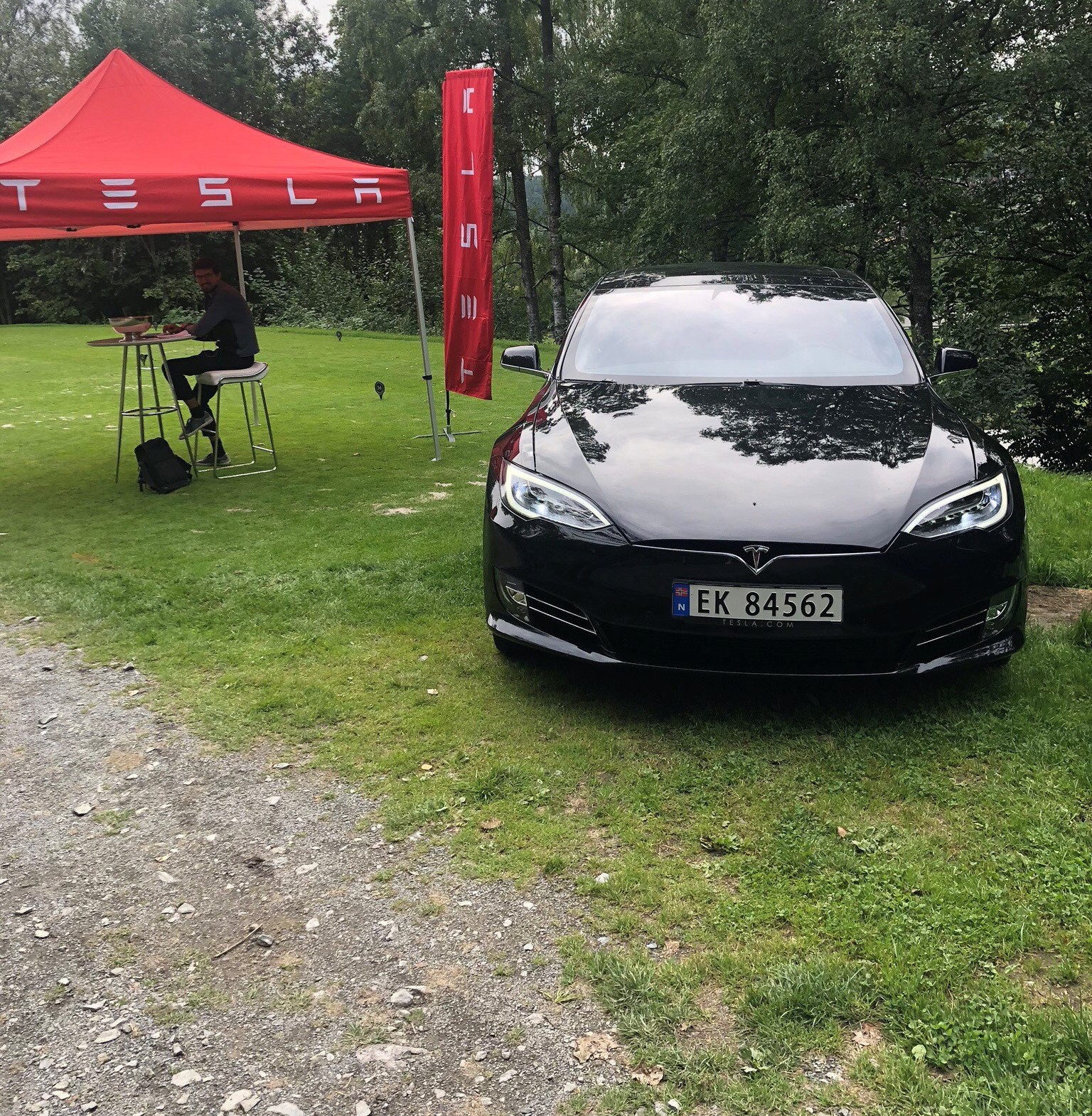
True to tradition, the tournament also included individual prizes. Kenneth Austad from team PwC saw his shot land merely one meter from the pin in “closest to the pin” contest, which rewarded him with a Tesla for a weekend, and an overnight stay at the destination charging partner hotel, Losby Gods. Rune Danielsen from Orkla won Tesla’s own competition at their hole for the same prize.

18th Annual

Recipients of American wines for winning the “longest drive” for men and women respectively, were Ole Morten Hauge from team Google and Catharina Aasheim from team PwC.

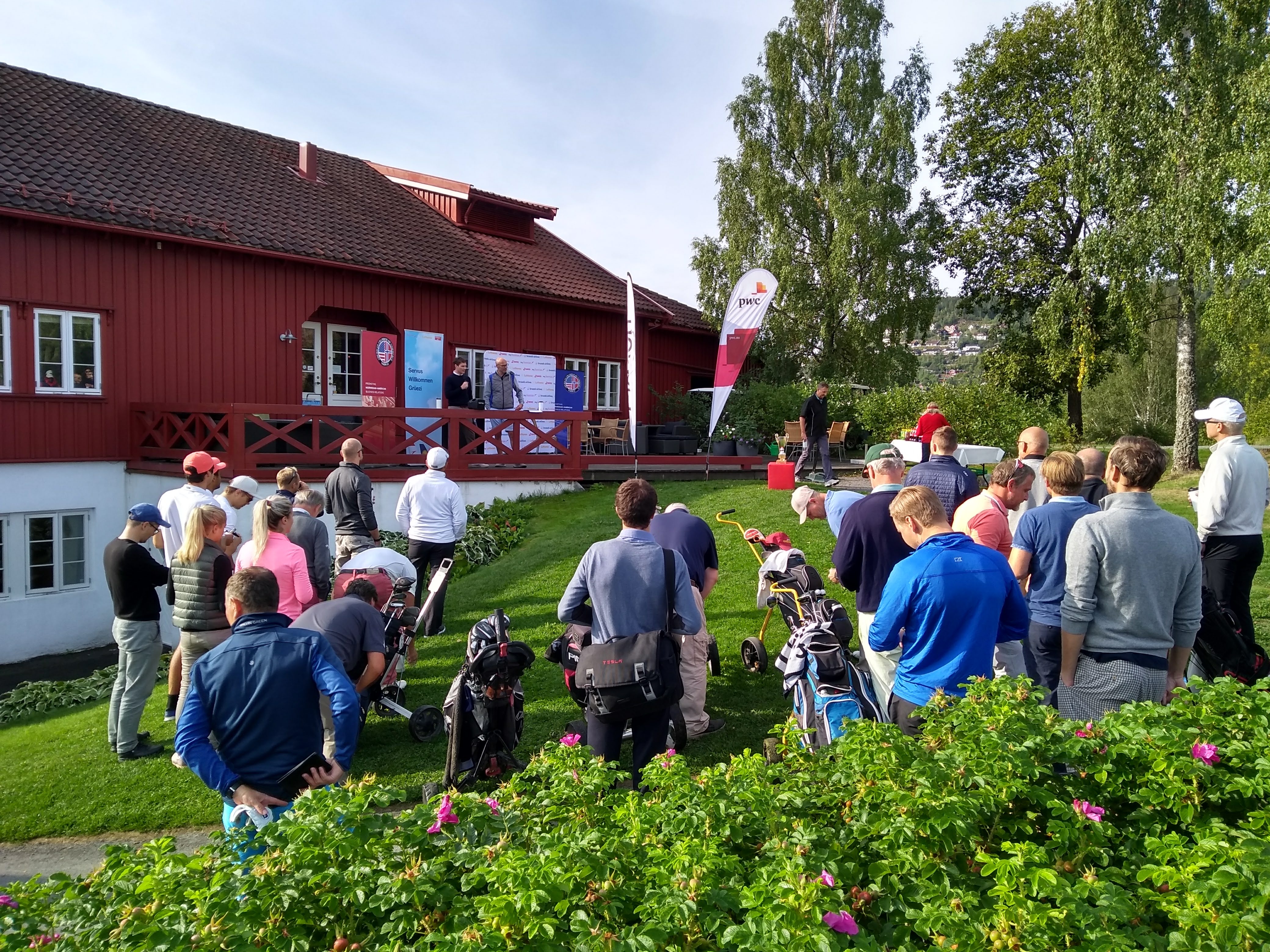
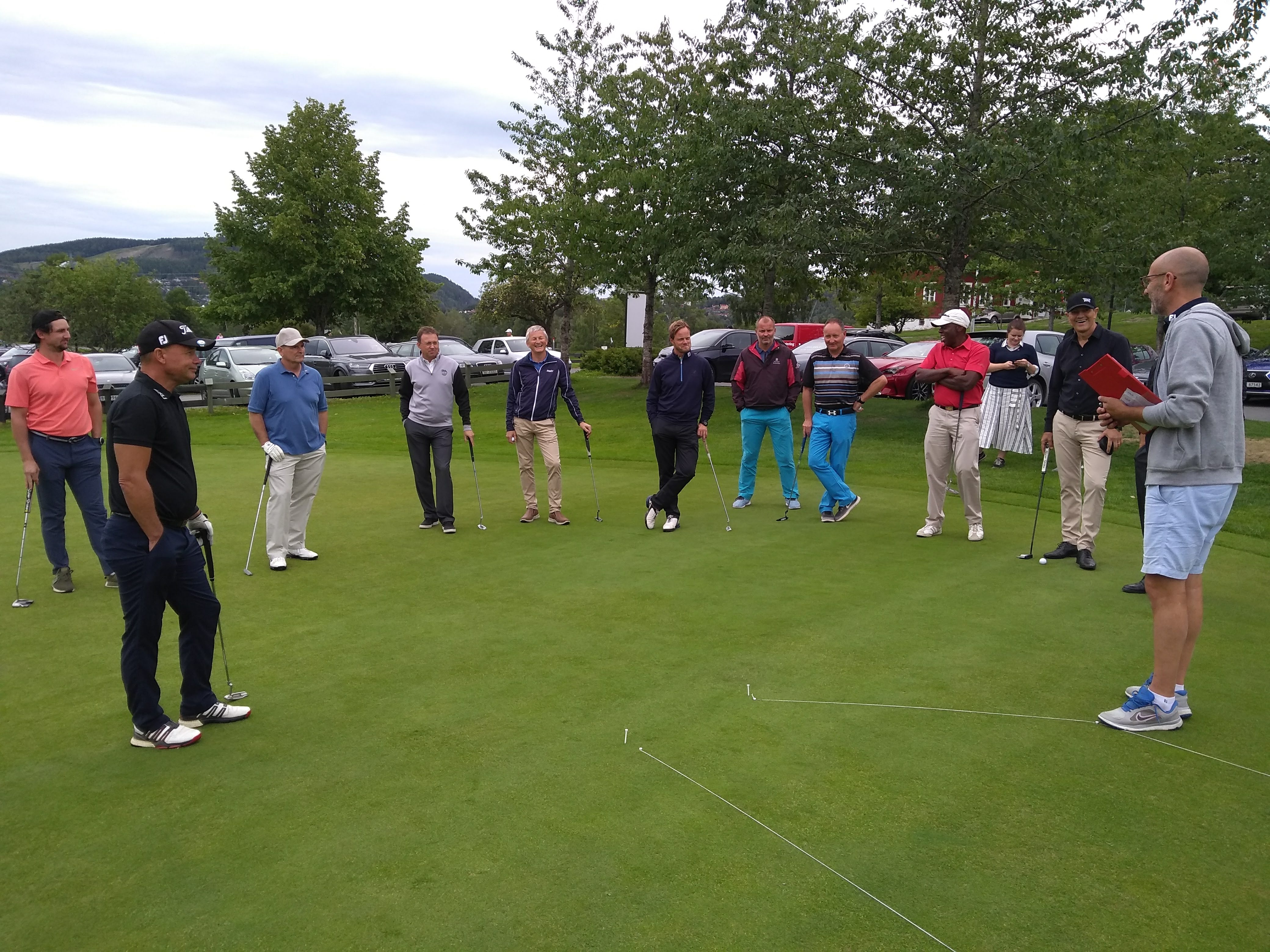
The putting competition, where each player qualifies by sinking a challenging Coca-Cola qualifying putt during their round, followed the barbecue dinner and awards ceremony.  Ten players managed to reach the final, competing for American wines, with Richard Greenidge from team Ask Mr. Cruise eventually claiming the honors.

18th Annual

Generously sponsored by Elavon, Lufthansa, Google and PwC, AmCham is delighted that the tournament remains a prominent and enjoyable event on the AmCham calendar.


We would like to thank all participants and sponsors for their sportsmanship and support in what has become one of the country’s largest corporate golf tournaments.