All posts by admin

BI in prestigious rankings

BI Norwegian Business School has been ranked by the Financial Times (FT) amongst the world’s best Executive Education providers for 2019. The ranking lists the best business schools for Customised Programmes and Open Enrolment Programmes.

“It is an important recognition to be part of this exclusive list of the best executive education providers in the world. This demonstrates our ambitions to successfully offer attractive programmes in a tough international competition,” says president of BI Norwegian Business School, Inge Jan Henjesand.

Read entire article HERE.
Government: Announcement of Awards in Predefined Areas (APA) 2019

The Norwegian Ministry of Petroleum and Energy announces this year’s licensing round in mature areas on the Norwegian continental shelf – Awards in Predefined Areas (APA) 2019.

– I am delighted to announce this year’s APA round. We are continuing our practice of offering regular concessions on the NCS to provide the industry access to new acreage. Awarding prospective acreage is a central element in the Government’s policy. I believe the oil companies are well motivated to continuing exploring the NCS, says Minister Kjell-Børge Freiberg.

In the APA 2019, the predefined area has been expanded by a total of 90 blocks – five in the North Sea, 37 in the Norwegian Sea and 48 in the Barents Sea.

– The expansion of the APA-area is important to ensure effective exploration of larger parts of the NCS, including the Barents Sea. The expansion will give the companies access to new opportunities that can enable value creation, employment and technology development.

Read entire press release HERE.

Bloomberg: Here’s What Lawmakers Want to Do With Norway’s $1 Trillion Fund

Key lawmakers gave a nod to a range of changes for Norway’s $1 trillion sovereign wealth fund — from divesting some of its oil stocks, to an overhaul of its fixed-income holdings and tighter restrictions on coal investments.

But even after one of the most eventful years in the fund’s history, more change could be coming, documents from parliament’s Finance Committee revealed.

As the committee as expected late on Tuesday approved the government’s plans ahead of a vote in parliament, opposition politicians made a series of proposals and comments that show what the world’s biggest wealth fund may have in store in the years ahead, maybe even as soon as after the 2021 election.

Read entire article HERE.

Reuters: Norway’s oil industry eyes 17% growth in 2019 investments

OSLO (Reuters) – Oil and gas companies working in Norway have hiked their 2019 and 2020 investment forecasts as they add more field development plans, a survey by the country’s statistics agency (SSB) showed on Tuesday.

Higher investment raises the prospect of further interest rate hikes by Norway’s central bank, economists said, as the data helped lift the crown to an almost four-week high against the euro.

Investments are now seen at a four-year high of 183.7 billion Norwegian crowns ($21.11 billion) in 2019, up from the 172.7 billion crowns seen in February, according to SSB, which collects the data from oil firms.

“The oil companies’ latest estimates for 2019 suggest an increase of as much as 17% compared with the corresponding figure for 2018,” the agency said in a statement. 

Read entire article HERE.

MAREX: Norway’s Biggest Spenders

Many of Norway’s shipping and offshore industries have achieved sustained growth through some of the most turbulent times ever faced, says VesselsValue’s Head of Offshore, Robert Day. Since the last Nor-Shipping in 2017, the number of Norwegian companies owning vessels has increased from 205 to 238. 

The Norwegian owned fleet has grown by 119 vessels, standing at 2,055 ships, and in turn the gross tonnage of the fleet has increased to 47.74 million GT. These new vessels have boosted the total fleet value of the Norwegian owned fleet by $3.5 billion, bringing their total fleet value to $44 billion, ranking fifth most valuable in the world.

Read entire article HERE.
Forum Summary: AmCham Sustainability Forum – May 2019

The Journey to a Sustainable Future

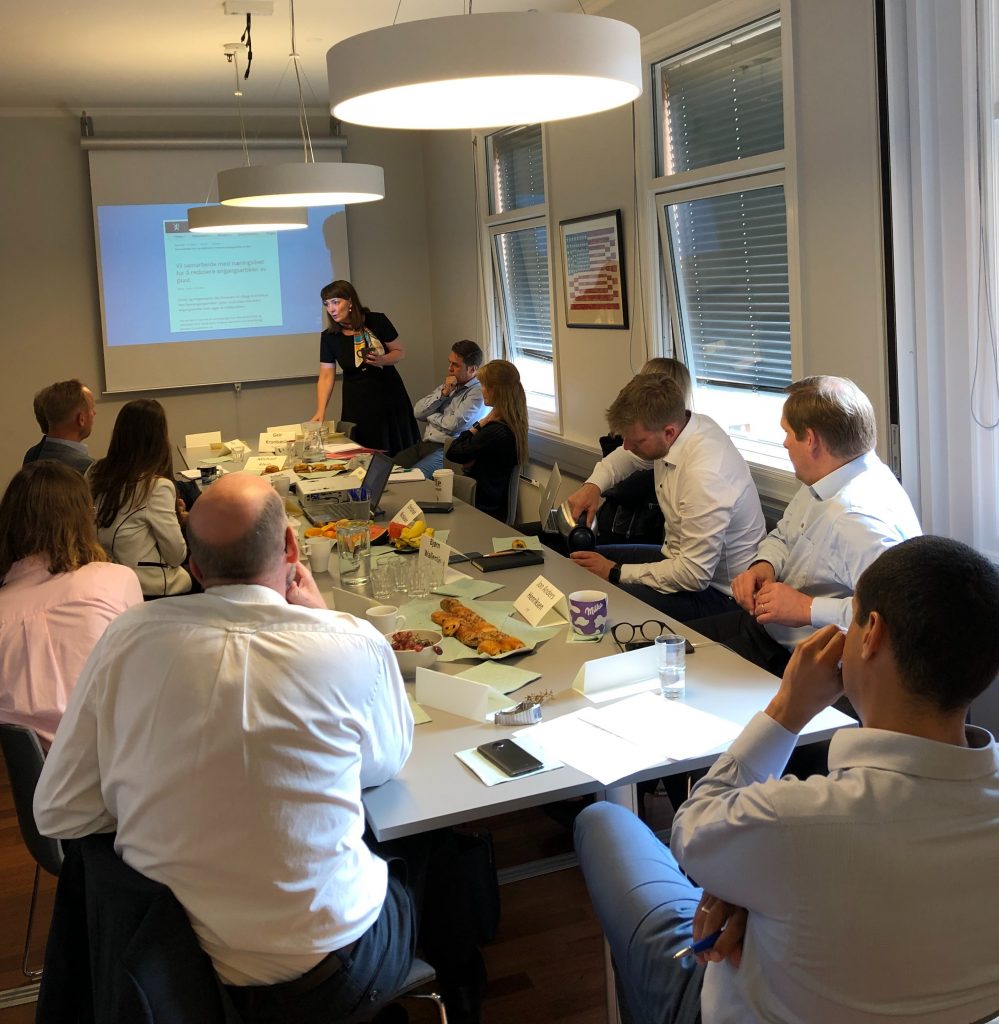
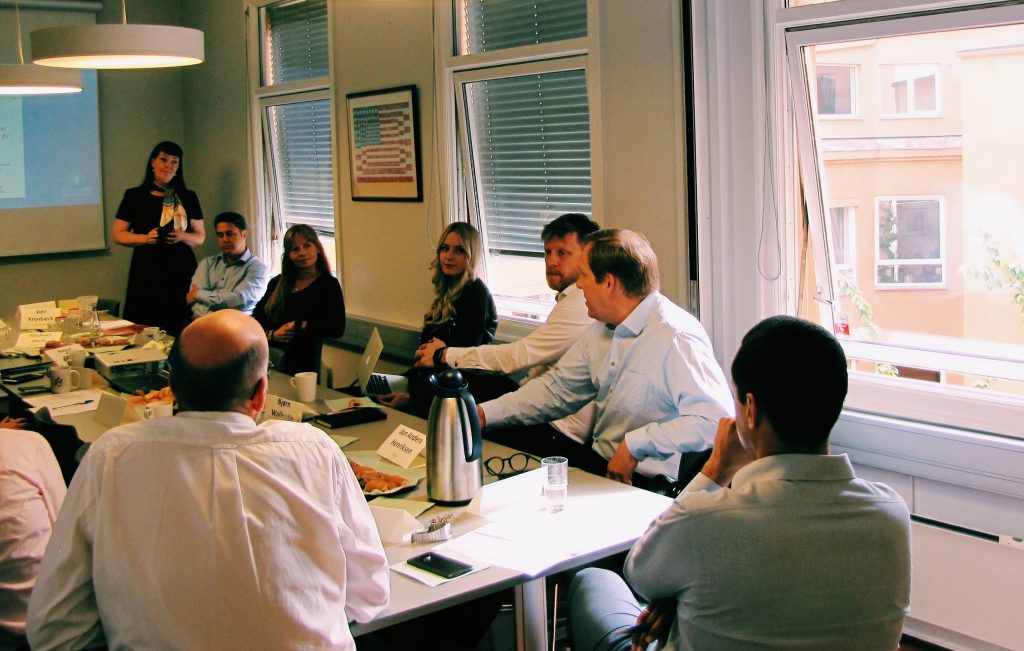
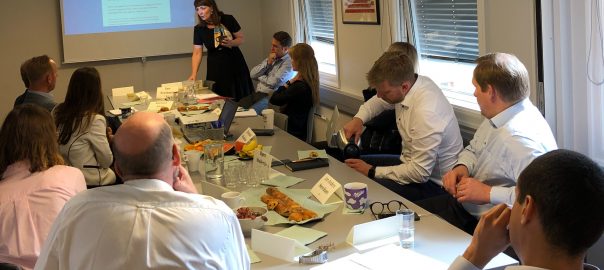
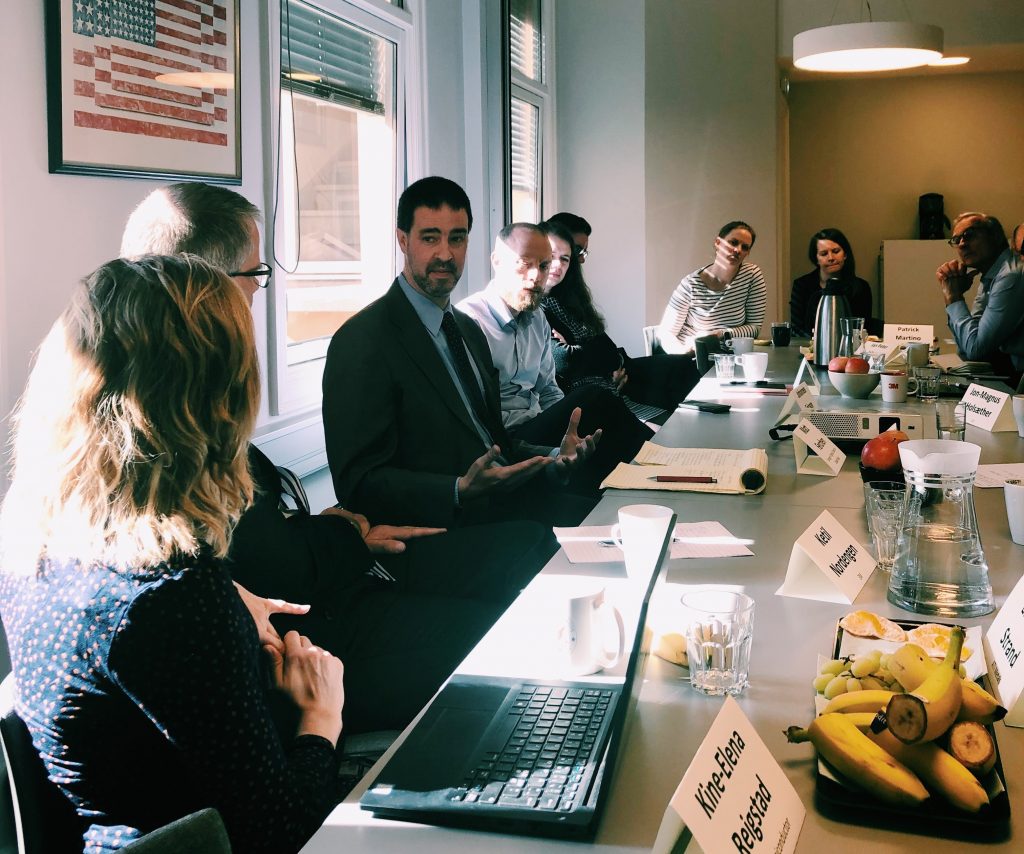
Participants gathered at AmCham’s offices for the Q2 edition of our Sustainability Forum. Featuring presentations from Philip Morris Norway’s Pia Prestmo and RCL Cruises’ Geir Kronbæck, the forum addressed the processes behind implementing sustainable business practices, highlighting the fact that sustainability is not a fixed goal, but rather a journey of continuous improvement, innovation, and strategic evolution.

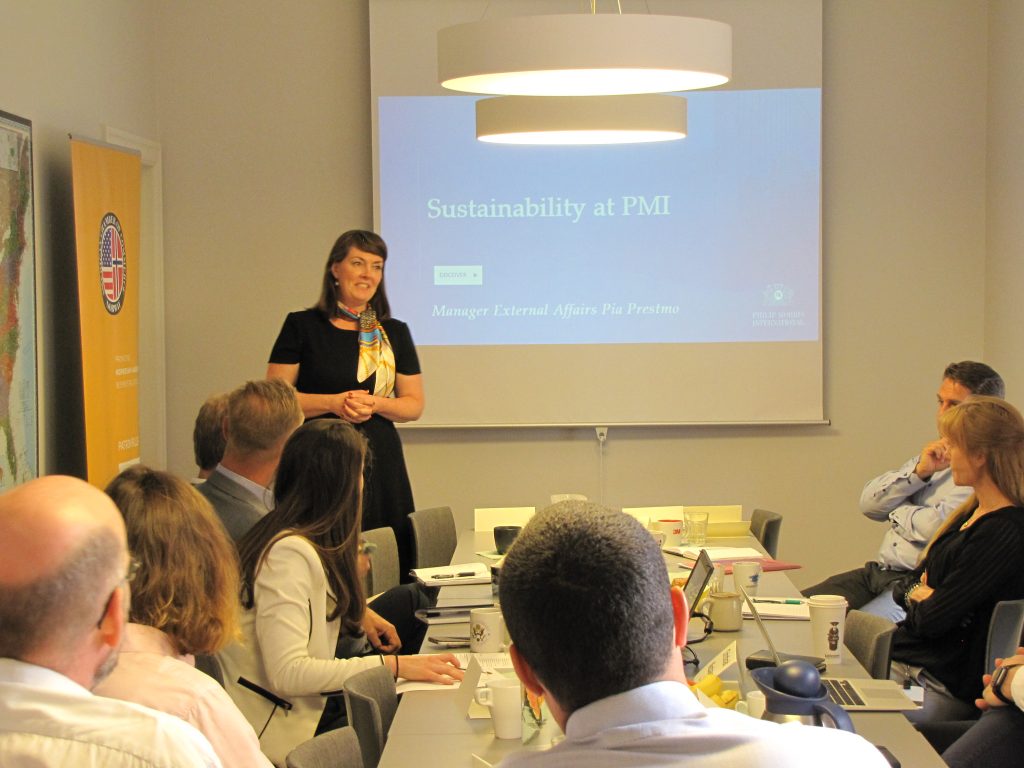
Sustainability at PMI

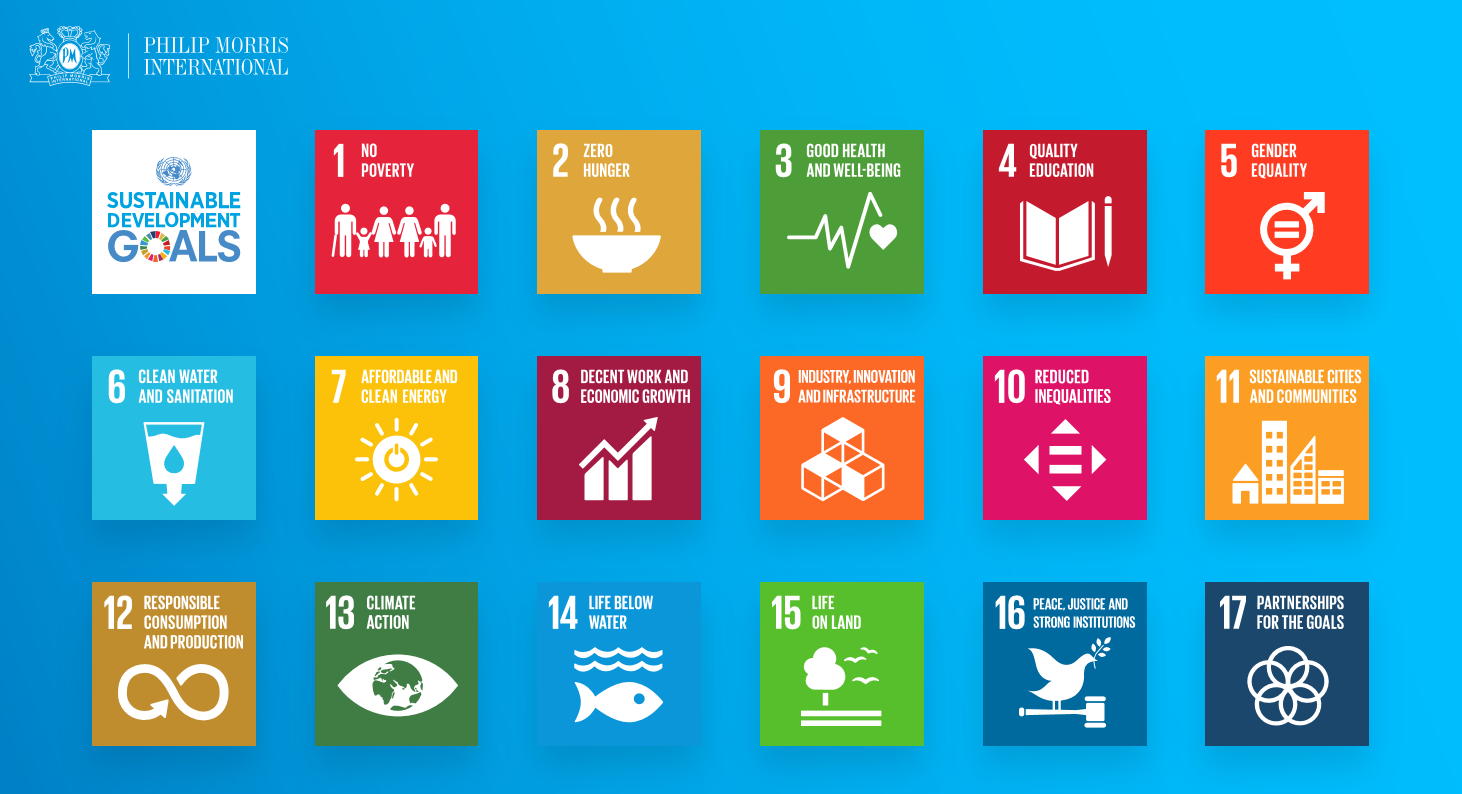
Philip Morris Norway’s Manager of External Affairs Pia Prestmo kicked off the event with an engaging presentation covering PMI’s global sustainability transformation. Prestmo began by highlighting the cross-industry diversity in the room, noting how different industries have the ability to contribute to a diverse range of sustainability goals, noting specifically the UN’s 2017 Sustainability Development Goals (SDGs), a primary focus throughout PMI’s sustainability strategy.

For PMI, SDG #3, good health and well-being, and SDG #8, decent work and economic growth, were identified as core areas for PMI’s sustainability efforts.

Regarding SDG #8, Prestmo noted the efforts PMI has made in working to secure safe working conditions and equal pay for farmers and suppliers across the world through implementation of its Agricultural Labor Practices (ALP) program in 2011.

Prestmo noted SDG #3 as a critical area of focus for PMI, commenting on the significant role that PMI can play in moving nicotine users along the risk continuum from combustible tobacco products to less harmful, smoke-free products.

She then turned to public-private cooperation, highlighting how important it is for government officials, politicians, and regulatory bodies to include the business community in crafting solutions and drafting policy. “More often than not, the solutions for a wide range of sustainability issues lie with the business community, and it is important that public officials understand the innovation power our companies possess.”

​“More often than not, the solutions for a wide range of sustainability issues lie with the business community, and it is important that public officials understand the innovation power our companies possess.”

Pia Prestmo

Philip Morris Norway

"Seastainability": RCL’s Corporate Sustainability Journey Since 1992

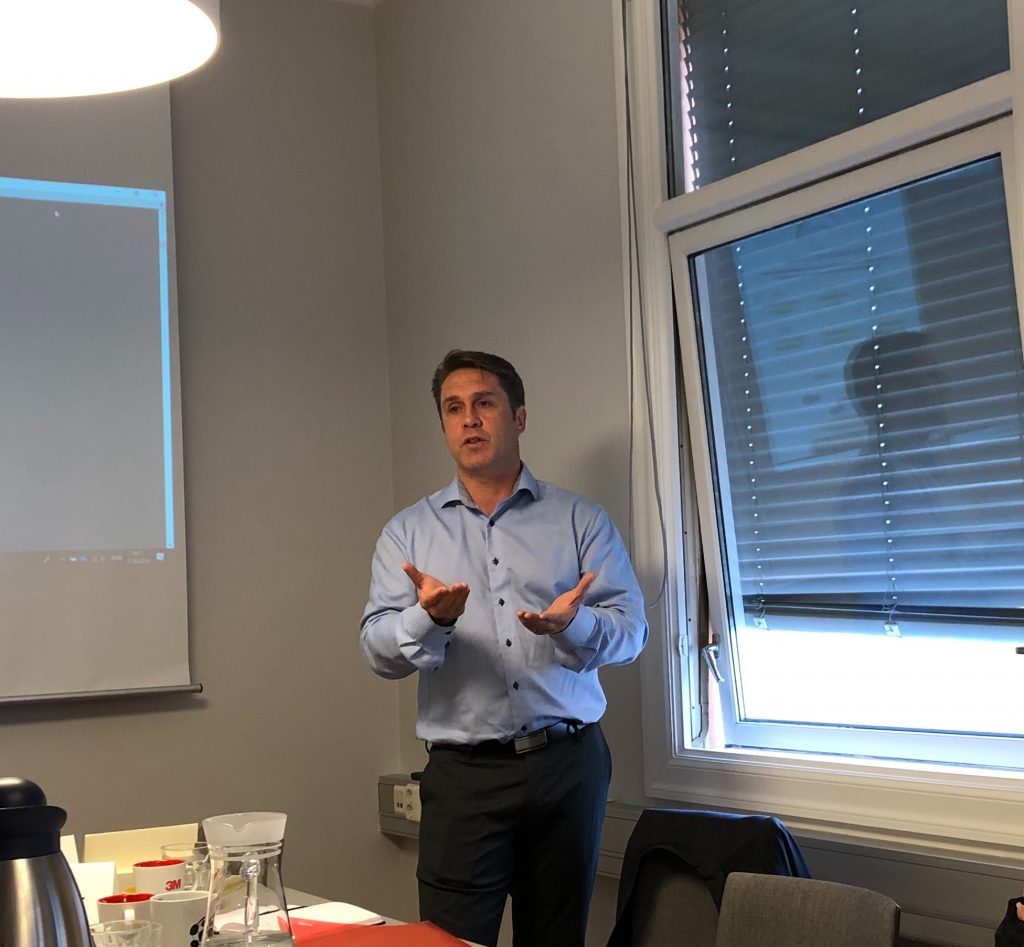
RCL Cruises’ General Manager for the Nordics Geir Kronbæck followed Prestmo, leading participants through the company’s sustainability efforts, the bottom-line boosting effects of sustainable business practices, and RCL’s experience working with public officials and local communities on sustainability issues, noting the importance of a long-term approach to sustainability.

“As Norwegians, we often like to highlight the things which we do best – take cross-country skiing, for example. Sustainability isn’t like that, though. Even though people, cities, and countries are ‘competing’ to be the best or most sustainable, sustainability is about continuing to improve – there is no finish line,” he noted.

After taking member company participants through RCL’s approach to sustainability – one extending from ship design to HR strategy – Kronbæck, like Prestmo before him, emphasized the importance of public officials working in concert with businesses on sustainability issues.

Such dialogues, he noted, would help the government in creating regulatory platforms in line with available technology and adhering to feasible timeframes. He concluded by emphasizing the importance of predictable sustainability frameworks for the cruise industry, “Building a cruise ship is a considerable undertaking, and we cannot build them as fast as some politicians would like to change regulations.”

“As Norwegians, we often like to highlight the things which we do best – take cross-country skiing, for example. Sustainability isn’t like that, though. Even though people, cities, and countries are ‘competing’ to be the best or most sustainable, sustainability is about continuing to improve – there is no finish line.”

Geir Kronbæck

RCL Cruises

The Path Forward

After the conclusion of Kronbæck’s presentation, participants engaged in a roundtable discussion that complemented the themes brought up in both presentations. One participant highlighted the importance of understanding the connection between different types of emissions and understanding the linkages between them. Another noted the importance of increasing industry understanding amongst the public and making sure the business community works together to create sustainable frameworks that foster growth instead of hindering it.

About the AmCham Sustainability Forum

Many AmCham companies have been on the sustainability journey for some time, while others are trying to find their way to a sustainable future. Though our members are represented through the full spectrum, we know that several are at the forefront within their respective industries.

Hence, AmCham brings select, cross-industry member company representatives together on a quarterly basis to discuss opportunities, share best practices and find out how AmCham members can play a role in the Norwegian sustainability agenda going forward. Read more about our Sustainability forum here, and please contact us for interest in future forums.

Equinor: Awarding contracts worth NOK 2.5 billion

Equinor has awarded drilling service contracts at a total value of about NOK 2.5 billion, exclusive of options, to several suppliers. The services will be delivered to both new and existing fields on the Norwegian continental shelf.

Contracts for services related to liner hangers were signed in Equinor’s digital laboratory at Forus, Stavanger, on 14 May. Contracts for additional completion and downhole monitoring have been signed earlier.

“These contacts will help us continue our safe and efficient drilling and well operations. The suppliers are specialists that we have worked with before, and we know what they stand for. We look forward to continuing our good cooperation,” says Geir Tungesvik, Equinor’s senior vice president, Drilling & Well.

The total contract value for these services is estimated at about NOK 2.5 billion for the 3-year fixed contact term. In addition, there are five 2-year options for all awards.

Read entire article HERE.
Trade, Investment, & Geopolitics: Understanding the Economic Effects of China’s Evolving Industrial Policies

Trade, Investment, & Geopolitics: Understanding the Economic Effects of China’s Evolving Industrial Policies

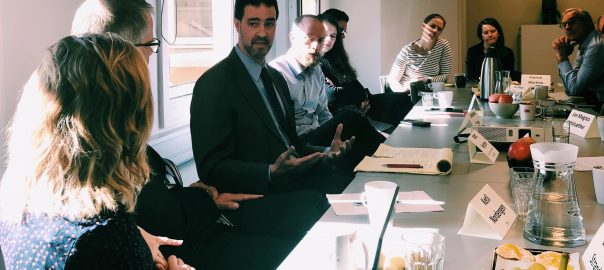
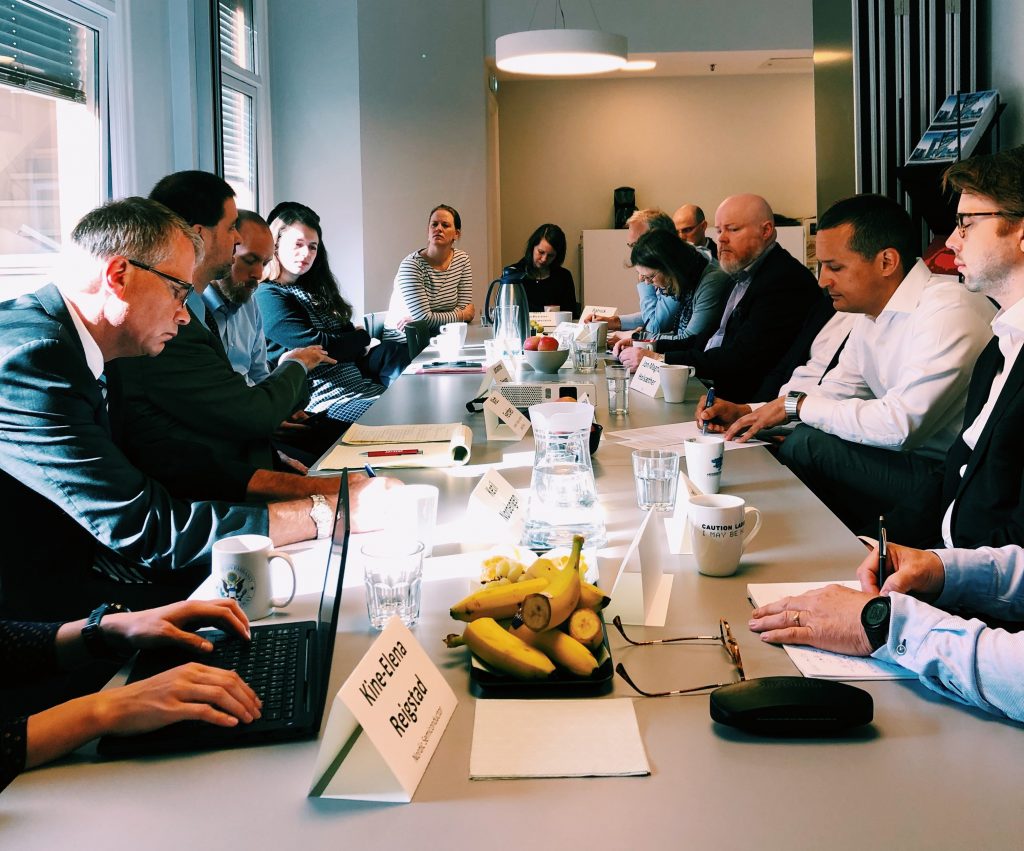
With discussion of the ongoing trade negotiations between the United States and China dominating newspapers and television screens across the world, AmCham was thrilled to host the Carnegie-Tsinghua Center for Global Policy’s Matt Ferchen for a highly engaging seminar and roundtable discussion.

Ferchen, a specialist in Chinese political-economic relations, took cross-industry member company leaders through the evolution of Chinese industrial policy from the 2008 financial crisis to the current China-US trade conflict.

He began his discussion by setting the table for today’s trade negotiations, taking up issues such as market access, intellectual property, and technology transfers. He then expanded his discussion to China’s core industrial strategies – including the much-discussed Belt and Road Initiative (BRI) and the Made in China 2025 initiative.

Speaker Profile

Matt Ferchen – Carnegie-Tsinghua Center for Global Policy

Matt Ferchen is a nonresident scholar at the Carnegie–Tsinghua Center for Global Policy, where he runs the China and the Developing World Program. There his previous research and writing have focused on the political economy of the “China model” of development, as well as China’s relations with Latin America. Building on this background, his current projects examine how China is managing political risk in its ties to fragile states, and on the nexus of development and security in China’s foreign policy.

Ferchen is part of the Public Intellectual Program sponsored by the National Committee on United States-China Relations. His work has appeared in numerous media publications such as Foreign AffairsCaijing, the DiplomatEL PAÍS, and Phoenix Weekly, as well as in academic publications such as the Review of International Political Economy and the Chinese Journal of International Politics.

Building Trust in Client and Mentorship Relationships

This led to an insightful exploration of Chinese “geoeconomics,” a term Ferchen employs to describe China’s blending of economic and geopolitical goals via state support of Chinese enterprises. Having recently visited AmChams in East Asia, Ferchen touched upon the frustration these groups have experienced in recent years as reforms have stalled and the Chinese state has doubled down on their control of the private sector – a marked change from the liberalizing policies embraced by the Chinese government in the early 2000s.

Ferchen then took participants through the American side of the trade conflict, highlighting how the 2016 election resulted in significant changes in Sino-American relations, and discussing how the future of China-US relations may look in the wake of the upcoming 2020 presidential election. He provided European context throughout, exploring Chinese geoeconomics on the continent and expanding upon possibilities for cooperation between the United States, China, and Europe.

Member Companies Share Experiences and Voice Concerns

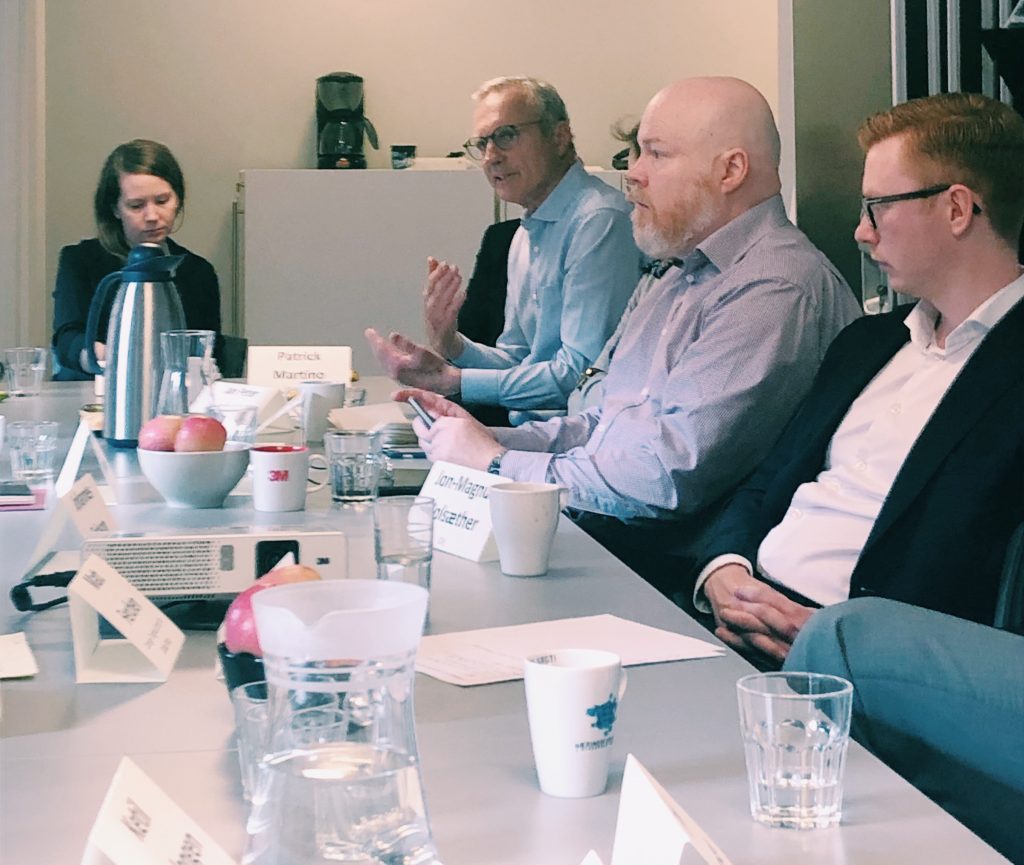
The succeeding roundtable discussion had representatives from eleven companies taking part in a fascinating debate that highlighted the wide range of industries and perspectives in the room.

Ferchen addressed concerns about issues ranging from structural barriers, to reform in China, to the adverse effects of the tariffs – highlighting the plight of American soybean farmers in states like Iowa.

A point that sparked extensive discussion was the role of the rest of the world in a trade conflict between its two largest economies. Ferchen noted that the tendency of the current US administration to opt for bilateral negotiations, instead of multilateral talks with allies, is limiting, with one roundtable participant noting, “the US lost out on a significant opportunity by not aligning with allies on some of these trade issues.”

The event concluded with AmCham’s Managing Director Jason Turflinger asking Ferchen and roundtable participants where the US, China, and Europe can more actively collaborate. An immediate response was sustainability, with Ferchen noting that the US withdrawal from the 2016 Paris Agreement has prompted a corresponding Chinese lapse in environmental commitments.

MAREX: DNV GL Helps Washington State’s Maritime and Tech Sectors Converge

Pursuing Washington State’s vision of being a world-class, thriving and sustainable maritime industry by 2050, WA Maritime Blue, in partnership with DNV GL and Impact Washington, hosted the inaugural Blue Forum: Uptown Tech Meets the Working Waterfront. 

Bolstering the Maritime Sector

The Blue Forum: Uptown Tech Meets the Working Waterfront is the first in a series of information sharing and networking events designed to strengthen Washington State’s maritime sector by fostering its connection with other key sectors within the state. This initial forum targeted the state’s robust information and communications technology sector and convened maritime and tech industry leaders and stakeholders in Seattle to examine and discuss the role and opportunity for data, digitalization and Internet of Things (IoT) solutions, and the challenges for optimization and decarbonization of the state’s maritime industry. 

The Forum provided a unique opportunity for knowledge transfer on challenges and technology readiness for solutions. It also served to connect stakeholders to explore the potential for collaboration through developing Joint Industry Projects (JIPs) that will break down silos and support the transformation of the state’s maritime industry.

Read entire article HERE.
Shifter: Stop talking, start innovating: How to achieve success in «Silicon Valley Style»

To gain real returns business leaders must stop talking and start being innovative daily in their actions, decisions and management approaches. In Silicon Valley innovation comes through action.

Jennifer Vessels, founder of Silicon Valley based Next Step, leader of Executive Growth Alliance and speaker.

Talk about innovation is everywhere – in board rooms, conferences, employee meetings and university classes. In 2019, it is estimated that over 10 billion NOK will be spent developing innovation competency in corporations, ministries and society.

And For Norwegian businesses to be innovative, leaders must: Be curious and listen for customer and market needs. Meet with at least one customer, partner or competitor every week. Ask open ended questions and really listen to their concerns and desires. Be open to their ideas and needs to stimulate creative ways to create value.

Read entire article HERE.