All posts by admin

Norway’s Biggest Bank Seeks Broader Profit Mix to Match Rivals

DNB ASA finally feels it’s getting some respect from investors, but it has some way to go in matching its Nordic rivals on its income mix.

With Nordea Bank Abp moved to Finland and Danske Bank A/S mired in a money laundering scandal, Norway’s DNB is now Scandinavia’s biggest bank by market value.

While calling itself the largest Scandinavian bank is tongue-in-cheek to a large degree, for DNB Chief Executive Officer Rune Bjerke it’s evidence the bank has emerged from an investor shadow. “It’s the most solid of the Nordic banks,” Bjerke, 58, said in an interview at its headquarters in Oslo’s new Barcode neighborhood. “And based on the solidity, the bank that delivers the best profitability at the moment.”

Read the full story on Bloomberg.com

AmCham Executives Gather in Israel for Annual Conference

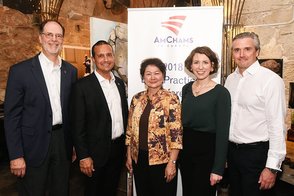
On October 14-17, executives from 33 AmChams in Europe gathered in Tel Aviv, Israel for the annual European conference, devoted to the sharing of best practices and knowledge exchange.


During the conference, AmCham executives shared best practices within the areas of Member Retention and Acquisition, Governance, Communications, Committee Management and Staff Management / KPI’s. Additionally, the five finalists for the 2018 Creative Network award delivered inspirational presentations – with AmCham UK (BAB) as the winner for their Finding Your Way program.

The conference dinner featured speeches from Garty Yaniv, Chair AmCham Israel (Intel Israel), Ireas Cook, Counselor for Commercial Affairs (U.S. Embassy), Myron Brilliant, Executive V.P. (U.S. Chamber of Commerce) and Patrick Mikkelsen, Chair, AmChams in Europe.

This conference was the second of two annual gatherings organized by the European Council of American Chambers of Commerce (AmChams in Europe).

AmChams in Europe is the umbrella organization for executives from 44 AmChams throughout Europe and Eurasia. AmCham Denmark’s Executive Director Stephen Brugger serves as Vice Chair and host of the Council’s Secretariat. To read more, click here.

A special Thanks to AmCham Israel for hosting an exceptional conference.

AmCham Member Company Profile: Management Alignment Partners (MAP)

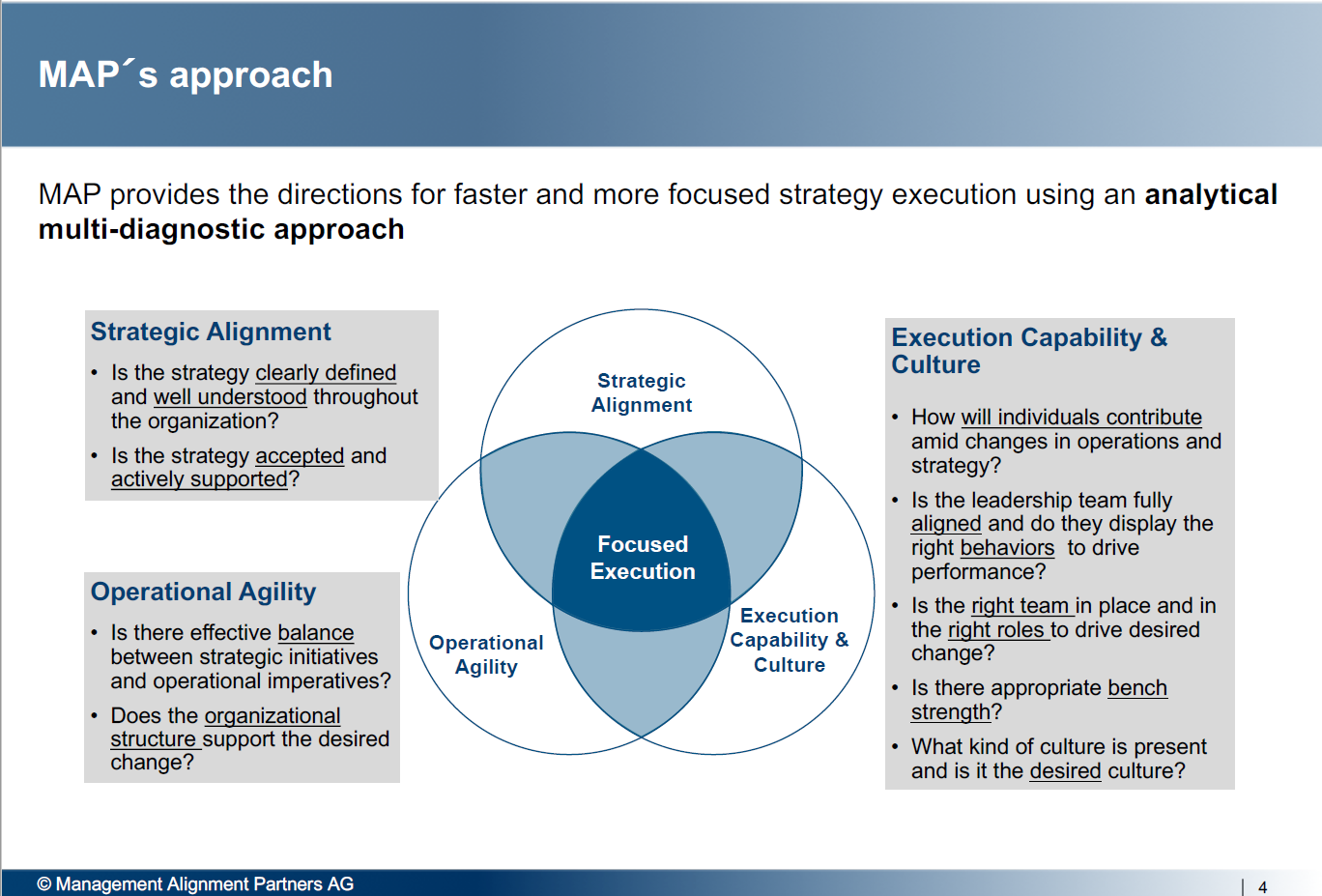
By combining strategic alignment techniques with the ability to boost organizational performance in new terrain, Management Alignment Partners (MAP) provides analyses and measurements that enable decision-makers to anticipate how their teams and business units will excel in new environments. Once MAP clarifies the landscape ahead, they deliver insight and follow-through to align leaders, operations and strategy for rapid execution.

Management Alignment Partners

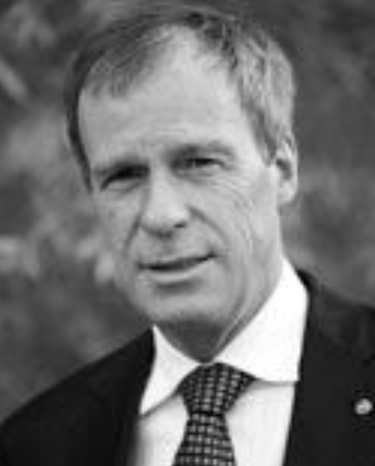
Having worked with companies like Airbus, Allianz and Yara, Founding Partner Knut Revling and his team of senior partners begin an engagement by working directly with the CEO, interviewing the company leader about his or her expectations and defining the company’s critical success factors.

“Fifteen years ago, MAP’s partners observed that many advisory firms worked exclusively with a client company to augment its strategy, or to help streamline its operations, or to assess its talent, or even to project market conditions. MAP concluded that such vital processes couldn’t be scrutinized and acted upon separately.”

Management Alignment Partners

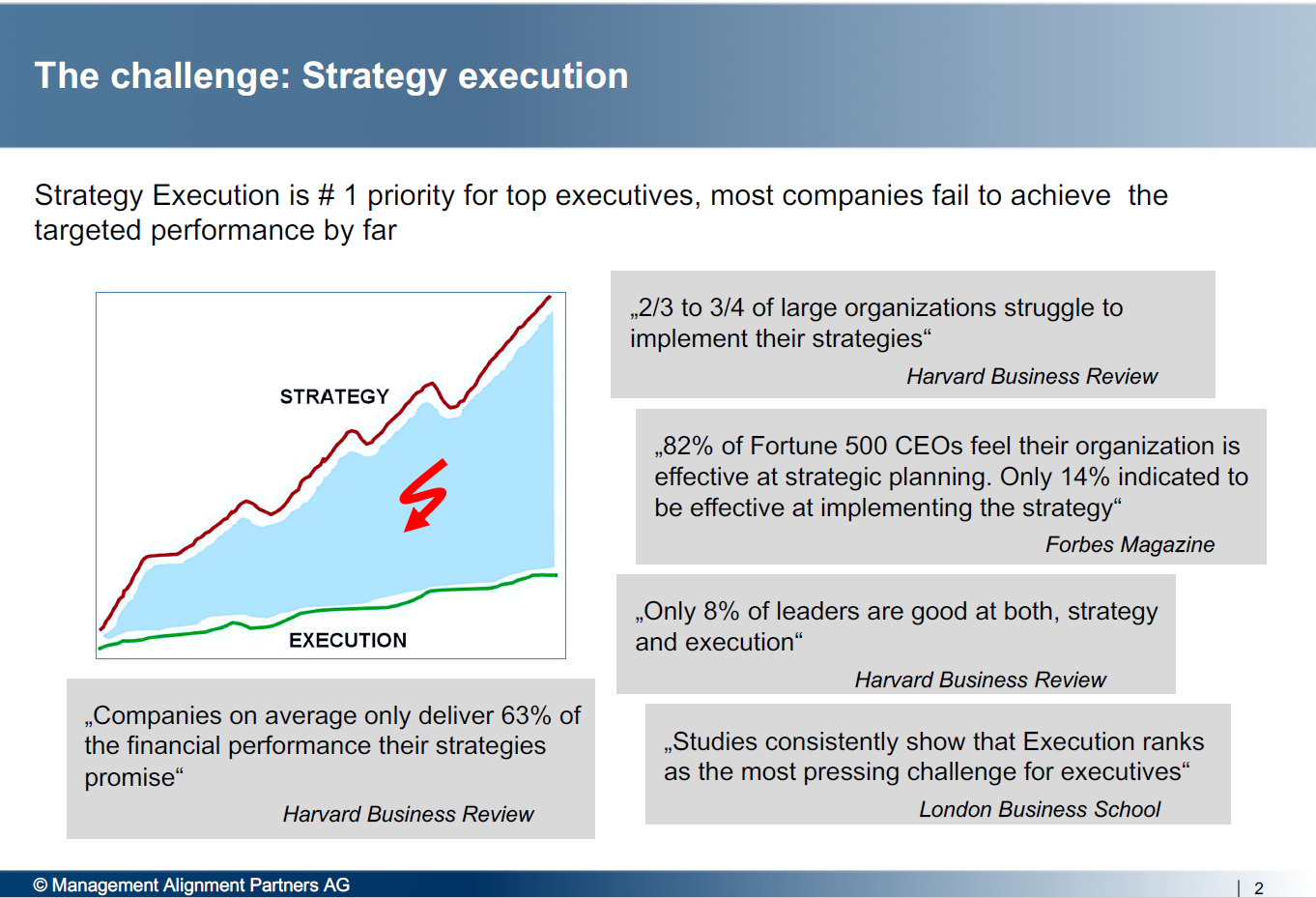
“Instead, the overarching problem of execution had to be examined: CEOs, division presidents and institutional investors needed evidence on how their businesses would likely perform in new terrain; and they needed evidence that their leaders, operations and strategies were aligned to confidently execute the company’s mission,” Revling says.

Ensuring Alignment

With 25 partners worldwide, all of whom have substantial international experience, MAP can pull from a wide breadth of knowledge to execute operational tasks for their clients.

Management Alignment Partners

“We provide the analyses and measurements that enable decision-makers to anticipate how teams and BUs will excel, and then we deliver the insights and follow-through to align leaders, operations and strategies for rapid execution.”

“As an example, when working for a client with over 30.000 employees, 10 MAP partners interviewed each executive and ran their answers through our own software tool. We found that this particular company had several challenges beyond organizational and process definitions. Within six weeks, we could deliver the entire analysis and suggested strategy going forward.”

“With only 25 partners worldwide, we have the ability to be very agile and ensure alignment in our analysis, as well as for the company leaders we work with,” Revling explains.

International Network of Experts

Management Alignment Partners is a globally-deployed firm with deep roots throughout the Norwegian market, with extensive experience within defense, production, services, IT, finance, healthcare, shipping and digitalization.

Management Alignment Partners

“How can CEOs, Boards and other top decision-makers determine the future performance of their enterprise – as, for instance, its capacities for innovation and creativity, its flexibility and tempo, and its overall ability to execute? Is it possible for a CEO to achieve that insight within weeks rather than over many months or years of meetings, town halls and travel?”

“These are all questions we consider when conducting our analysis, with the end goal being the client company’s strategic alignment and coaching for senior staff,” Revling says.

MAP is based in Norway, Zurich, Singapore and Washington DC, with partners around the globe for a fully functioning international network of experts. MAP has been an engaged AmCham member company since early last year.

Boyden Insights: A Big Buy for Big Blue

IBM has agreed to acquire the North Carolina-based cloud software firm for $34 billion. The tech pioneer, founded more than 100 years ago, is looking to transition beyond its legacy hardware and consulting business.

CEO Ginni Rometty is especially keen to broaden subscription-based software offerings. IBM has seen years of declines both in software sales and demand for servers, which it has been producing since the 1960s. Over the past five years its shares have lost nearly a third of their value. Conversely, Red Hat shares have risen 170% in the same period.

Red Hat was founded in 1993, and is considered a technology sector pioneer in its own right, in cloud-based open-source software. It specializes in Linux, the most popular family of operating systems for the free software, and charges corporate customers for custom features, maintenance and tech support. The use of open-source software among enterprises has increased rapidly in the past few years, and according to the Financial Times, “The deal will help both companies accelerate the move to cloud computing among big corporate clients.”

While it dwarfs all others, the acquisition also exemplifies the technology sector trend of older companies making deals to gain scale and stay competitive, especially in cloud computing. This year Microsoft acquired open-source software platform GitHub, and Adobe made a deal to acquire Marketo, a marketing software firm. Dell, a chief rival to IBM, made major inroads into software and cloud computing when it acquired data storage company EMC two years ago, Reuters reports.

“This is to reset the entire cloud landscape,” Rometty said. “We have been reshaping IBM for this moment.” And, the deal should give IBM’s revenue growth a boost. “This acquisition we are clearly doing for growth synergies. This is not about cost synergies at all,” she added. IBM’s other recent initiatives have included artificial intelligence and business lines around its supercomputer, Watson.

With the Red Hat acquisition, IBM hopes to catch up with Amazon, Alphabet and Microsoft in cloud computing. Analysts at Barclays wrote that the deal “represents the culmination of IBM’s existing partnership with Red Hat, and, in our view, allows IBM to gain a highly strategic asset to advance its hybrid cloud initiatives.” They added that for the deal to work, IBM will need to uphold Red Hat’s neutrality with regard to operating platforms and maintain its open-source, multi-cloud position.

IBM has said that it intends to maintain Red Hat’s headquarters, facilities, brands and practices. Further, Red Hat CEO Jim Whitehurst, along with the firm’s current management team, will continue to lead the firm. The deal is expected to close in the second half of 2019.

DN: Amerikas beste viner slippes fredag

Mye skjer på vinfronten i California, og da særlig i Sonoma Coast i nord og Santa Barbara lenger sør. Førstnevnte har også nå søkt om å få deles inn i ytterligere flere vinområder og har i følge Bloomberg.com søkt om AVA West Sonoma Coast. En søknad som høyst sannsynlig blir godkjent til neste år i følge nettstedet, og som omfatter den 82 kilometer lange kyststripen med ettertraktede vinmarker nord for San Fransisco som i dag ligger inn under Sonoma Coast. Siden disse markene ligger høyt over havet og blir påvirket av Stillehavets kjølige bris er de i tillegg blitt ekstra ettertraktede blant den nye bølgen av vinmakere i USA som ønsker kjølige og delikate viner fremfor de tidligere sødmefulle alkoholbombene som det amerikanske vinmarkedet var fylt med. Prisen for en plantet vinmark her ligger på rundt 200.000 dollar for en acre med vinmark, noe som tilsvarer 1,7 millioner kroner for fire mål.

LES HELE LISTEN PÅ DN.no

I det kjølige klimaet resulterer det i et sted mellom én til to tonn druer i en normal årgang. Og man trenger mellom 1-1,5 kilo druer for å lage én flaske vin.

Les test av 1100 nyheter på Polet i november her

<p>Vinprodusenten Hirsch og deres berømte vinmarker vil ligge inn under den kommende nye appellasjonen AVA West Sonoma Coast til neste år. </p>
Vinprodusenten Hirsch og deres berømte vinmarker vil ligge inn under den kommende nye appellasjonen AVA West Sonoma Coast til neste år.

FÅ FLASKER, STOR ETTERSPØRSEL

Men økte vinmarkspriser skremmer ikke unge og ivrige vinprodusenter å investere. Nå er noen av de aller beste vinnavnene i California tilgjengelig i Norge med sine ferskeste viner. Og dem som topper listen er Rhys, Martha Stoumen, Littorai sammen med legendariske og betydelig mer etablerte Ridge, Kistler og Occidental er deres viner er atter en gang tilgjengelige i Norge sammen med andre gode produsenter som Tyler, Lioco, Sandhi og Hansel. Sistnevnte har laget pinot og chardonnay siden 70-tallet.

Skal du derimot ha tak i noen av disse gjelder det å stå tidlig opp i morgen tidlig fredag. For vinene slippes i Polets nettbutikk klokken 08, og siden de fleste av vinene fra California kommer i et lite antall flasker vil de nok forsvinne fort.

Mine 6 favoritter fra USA:

94
Navn: Ridge Estate Cabernet Sauvignon 2015

Produsent: Ridge Vineyards California USA

Pris: 549,00 Varenummer: 10444201 Utenfor sortiment, Importør: Vinarius AS

120 flasker slippes. Dufter av plommer, solbær og mørke bær. Tett og nydelig fersk konsentrert frukt med en lange ferske tanniner med en tett og lang utgang. MB

94
Navn: Occidental SWK Vineyards Pinot Noir 2015

Produsent: Occidental California USA

Pris: 849,00 Varenummer: 6942301 Utenfor sortiment, Importør: Vinarius AS

Dufter av søte bringebær og blomster med hint av tre. Saftig og delikat frukt med en frisk syre og lette tanniner. Nydelig lengde og fylde. Pur og ren pinot. MB

93
Navn: Littorai B.A. Thieriot Vineyard Sonoma Coast Chardonnay 2016

Produsent: Kistler Vineyards California USA

Pris: 699,00 Varenummer: 10443201 Utenfor sortiment, Importør: Vinarius AS

36 flasker kommer til Norge. Dufter av gule epler og flint med et hint av eik. Nydelig delikat og fersk mineralsk frukt med en frisk og spenstig syre med en lang og tørr finish. MB

93
Navn: Ridge Monte Bello Chardonnay 2015

Produsent: Ridge Vineyards California USA

Pris: 659,00 Varenummer: 10444401 Utenfor sortiment, Importør: Vinarius AS

29 flasker slippes. Lett reduktiv frukt på duft med hint av tre, voks og gule epler. Tett og fersk mineralsk frukt med en lang og fersk lett tørr finish med en nydelig fersk utgang. Denne har aldri vært så delikat og kjølig før. MB

92
Navn: Kistler Sonoma Coast Pinot Noir 2015

Produsent: Kistler Vineyards California USA

Pris: 599,00 Varenummer: 6941701 Utenfor sortiment, Importør: Vinarius AS

180 flasker kommer til Norge. Floral duft med hint av modne bringebær og blomster. Nydelig sødmefull og saftig delikat frukt med balanserte og lett ferske tanniner. Nydelig og delikat lett tørr finish. MB

92
Navn: Rhys Alesia Chardonnay 2016

Produsent: Chanin Wines California USA

Pris: 449,00 Varenummer: 10505801 Utenfor sortiment, Importør: Tramontane AS

Dufter av gule epler og lime og toast. Nydelig fyldig og konsentrert frukt på smak med en frisk syre og en lang tørr finish. MB

State Secretary Jens Frølich Holte’s address to Stop Marine Plastic Pollution in Washington, D.C.

State Secretary Jens Frølich Holte’s address at the seminar Stepping Up to Stop Marine Plastic Pollution in Washington, D.C., USA.

I am very pleased to be here to discuss marine litter, and to engage with US government leaders, industry representatives and experts on this issue.

I believe we share the view that stronger efforts are needed to combat marine litter, which is one of the fastest growing environmental concerns. Every minute an estimated 15 tons of litter enter our oceans, harming marine ecosystems.

Marine litter and micro-plastics spread across borders. It is a global issue and requires global collective action.

It is a serious issue, but also an issue that is the subject of global attention: All over the world, people are picking plastic and litter from shores and beaches. And all over the world people are calling for action.

While our knowledge is incomplete on the sources and pathways, and on social, environmental and economic effects – we know more than enough to act.

Therefore, together with other dedicated states, Norway has since 2014 driven this issue through a systematic, knowledge based approach in the UN Environment Assembly.

In December 2017, the Assembly took a bold step and agreed to the long-term elimination of all discharge of plastic litter into the ocean.

This vision does not fulfill itself.

This issue is simple and complex at the same time. Estimates tell us that approximately 80 percent of the litter that ends up in our oceans comes from land-based sources.  The problem is in the oceans, but important solutions are on land. Improvements in waste management should therefore be a key priority.

I am not talking about a global ban on plastics. There are many good reasons for using plastics. Try to imagine a hospital without plastic! The real problem is what we do with the plastic when we want to get rid of it.

We already have instruments and programmes relevant for marine litter. It is important to strengthen the implementation of existing instruments under IMO and the Basel convention, and the regional seas conventions. Norway has proposed measures in order to address this. But still there are gaps in the global frameworks.

There is currently no coordinating structure for our efforts to combat marine litter. While we have different initiatives, we lack a common framework that can help us prioritize our resources where it matters the most. Better coordination of efforts will give more effective use and dissemination of resources.

We need a framework for action. Norway wants to enhance international cooperation to prevent marine littering within the framework of the UN Environment Assembly.

We envisage a framework that supports governments in their policymaking and implementation of stronger waste management and waste prevention policies. A global framework can facilitate technology transfer, sharing of best practices, and build capacity.

It should be knowledge-based. A systematic approach, based on knowledge and shared methodologies, can help us take stock globally on how we are making progress.

Knowledge can make sure that solving one environmental problem does not replace it with another. We should also make sure that we don’t duplicate efforts, in our eagerness to find solutions.

In March next year, the world will gather in Nairobi for the fourth United Nations Environment Assembly.  Norway hopes that we can agree on taking the issue a step forward and direct our efforts in the reach of a zero vision.

A stronger governmental framework needs to be accompanied by effective tools and actions.

That is why Norway has established a program to combat marine litter and micro-plastics in developing countries. The Government has allocated around 35 million USD in 2018. The funds will be targeted towards regions that are most affected by marine litter and plastic pollution, to reduce waste and improve waste management systems.

Norway has also taken the initiative to make improved waste management and prevention of marine litter focus areas of the World Bank’s fund Problue.

The trust fund will provide incentives for effective and sustainable waste management in developing countries. We hope the initiative will mobilize a broad range of other partners, as well as private funding. I am pleased that we already have many on board.

Combatting marine plastic pollution is a long-term commitment for my government. We intend to spend 200 million USD to assist developing countries combatting marine litter and microplastics over the next four year period.

Finally, I want to highlight the role of business and industry.

Marine litter is a waste of resources. An effective, circular economy will also contribute to combatting marine litter. The circular economy means making products better suited for re-use, recycling and to increase the use of secondary materials in products. And industry has a key role to play here.

The government’s role is to make wise decisions that provide a predictable context for the private sector to come up with solutions.

In our work to achieve the zero discharge vision, we welcome a close dialogue between business and governments.

Closing the tap on marine litter is a “must do”.

I am encouraged by the willingness, enthusiasm and energy to step up global efforts to combat marine litter. It is through working together within a stronger common framework that we can make sure we pull in the same direction.

Thank you!
Trenger vi en sterk norsk innovasjonsbasert helsenæring?

Hvis man skal kåre et nytt trendord i 2018 ville jeg foreslått «Helsenæring». Det var et tema som gikk igjen under årets Arendalsuke og det er ingen tvil om at det er stort fokus på å bygge en sterk helsenæring i Norge. Regjeringen skal ha mye av æren for dette og det er forventet at de vil legge frem en helhetelig strategi for helsenæringen i en egen Stortingsmelding våren 2019. Forventningene til dette arbeidet er store. Det bør de også være når man skal lage en strategi for det som er Norges raskest voksende næring.

Steinar Thoresen, Medical Director, Abbvie

Men det er verd å stille spørsmålstegn med hvorfor det er så viktig at vi lykkes med akkurat dette i Norge. Kan vi ikke overlate ansvaret for å utvikle fremtidens medisinske løsninger til andre land? Har vi noe grunnlag for å bygge denne næringen i et land som tradisjonelt bygger næringsliv knyttet til våre naturressurser?

Jeg mener det er flere gode grunner til at Norge bør prioritere akkurat denne næringen. Den viktigste er at vi har mulighet til å skape verdier og trygge arbeidsplasser samtidig som vi bidrar til å løse de helseutfordringene vi står ovenfor. Vi har gode forutsetninger for å lykkes med dette, vi har en sterk helsesektor, vi har en høyt utdannet befolkning og vi har behov for å skape trygge høykompetansearbeidsplasser innen nye næringer. I tillegg har vi naturlige forutsetninger gjennom helseregistrene og biobankene. Mulighetene for digitale løsninger burde også være enorme gitt at vi er en av de landene i verden med høyest andel av befolkningen på internett.

Det har også noe å si hvor denne næringen blir utviklet. Skal vi lykkes med å skape verdens beste helsetjeneste for fremtiden må de som arbeider innenfor denne sektoren ha tilgang til nye innovative løsninger. Vi har sykepleiere, leger, hjelpepleiere og ansatte i norske sykehus som vet hva utfordringene er, de kjenner hvor skoen trykker og de ser hvor løsningene i fremtiden må komme. Det er disse vi må engasjere for å lykkes med å bygge en sterk helseindustri i Norge. Enkelt sagt kan man anta at norske selskaper produserer løsninger som passer til norske behov. I tillegg ligger det en enorm gevinst i at disse produktene blir testet ut på norske sykehus. Det vil bidra til at våre allerede sterke fagmiljøer kan ligge i front av internasjonal forskning, og dermed ha verdensledende kompetanse. Det kommer norske pasienter til gode.

På den andre siden er det avgjørende at vi har kunnskap om helsenæring og entreprenørskap dersom vi skal ta en ide fra sykehus eller akademia og ut til å bli en lovende oppstartsbedrift. Da trenger vi kompetanse som har global efaring, for i denne næringen er det global konkurranse fra første dag.

For å lykkes med å tilrettelegge for videre vekst i denne næringen må vi gjøre noen endringer, og AbbVie, Forskningsrådet og DnB arrangerte nylig et møte under Arendalsuka med helsenæring som tema. I møtet pekte vi på tre hovedutfordringer vi mener denne næringen har, nemlig tilgang på kapital, å bygge kvalitet i helsesektoren og å øke attraktiviteten for globale investeringer.

Tilgang til kapital er helt grunnleggende viktig for å lykkes med å bygge en kultur for entreprenørskap i Norge, få flere startups og bringe de gode ideene helt frem til pasientene. For å sikre at det er de gode ideene som når frem trenger vi kompetente investeringsmiljøer som både har kunnskap og midler til å løfte disse frem.

Det er bred enighet om at vi trenger innovasjoner for å løse de utfordringene helse-Norge står ovenfor, og at vi trenger en sterk helseindustri for å bringe disse innovasjonene til det norske markedet. Utfordringen er å vektlegge innovasjon i innkjøp uten at det går på bekostning av muligheten til å holde kostnadene nede. Vekting av kvalitet er viktig først og fremst for at pasienten skal få den beste behandlingen. I tillegg er det viktig på sikt. Hvis vi vektlegger kvalitet i innkjøpene våre i dag gir vi samtidig incentiver for hva det skal lønne seg å utvikle i fremtiden. Slik kan vi tilrettelegge for en forskningstung helsenæring som fokuserer på å bringe behandling av høyere kvalitet og innovasjoner til det norske markedet. Vi får det vi ber om, og hvis Norge ber om høyere kvalitet, og vekter det i innkjøpene vil vi få nettopp høyere kvalitet.

Det tredje temaet vi trakk opp er attraktivitet for gloable investeringer. Dette er viktig for norsk helsenæring fordi vi opererer i et globalt miljø. Dette er et sammensatt bilde, men det er ingen tvil om at viktige vurderinger som gjøres for globale investeringer er hvor det finnes verdensledende forskning, kultur for entreprenørskap, og der det finnes et marked for å få det endelige produktet ut til pasientene. Derfor blir et godt offentlig-privat samarbeid viktig, og en sterk innovasjonskultur både i offentlig og privat sektor. Under møtet i Arendal var det bred enighet om at det ligger et stort uutnyttet potensiale her.

Helsenæringen er i sterk vekst, og Norge har et stort potensiale innenfor denne næringen. Likevel er vi fremdeles under kritisk masse. Det trengs en tydelig satsing for at denne næringen skal kunne bli et bein å stå på for Norge i fremtiden. Derfor er det et viktig signal at Norges første stortingsmelding om helsenæring er på trappene.

Det er viktig at meldingen ser hele helsenæringen i sammenheng – helt fra akademisk forskning til globale aktører. Det er også viktig å ta innover seg at staten sitter rundt hele bordet, som eier av Universitetene, sykehusene, regulatoriske prosesser og innkjøper. Innkjøp på helse og spesielt på legemidler er i praksis et monopol som den norske stat driver, og derfor blir offentlig innkjøp mye viktigere, og mer førende for hvilken utvikling vi vil se i fremtiden på dette området enn på andre områder. Vår næring har potensialet til å være en bidragsyter for å løse morgendagens helseutfordringer, og det ønsker vi å bidra til.

2018 AmCham Mentorship Program Halfway Meeting

“Leadership needs to change. Digitalization and technology are moving motivation factors away from the burning platform to burning desire,” Microsoft General Manager Kimberly Lein-Mathisen told AmCham Mentorship Program participants during our 2018-19 edition halfway meeting.

2018 AmCham Mentorship

“Everyone’s life is being enhanced through the use of artificial intelligence all the time, whether you know it or not.”

“Technology is changing leadership requirements. Leaders’ roles are developing from ‘decision makers’ to ‘empowering facilitators,’ with the main objective being to motivate employees differently than before,” Lein-Mathisen continued.

The best mentor relationships are when both parties are learning something new and gaining new skills or perspectives. Lein-Mathisen urged mentors to use this opportunity to encourage the mentees to contribute to the conversation.

“Digital transformation is hard and, as employees, you can risk being left behind. As a mentee, I hope you take this opportunity to teach your mentor something they don’t know that can help them develop as leaders and professionals,” she said.

Leadership Through Company Culture

Having previously discussed leadership development and company culture extensively with Jotun CEO Morten Fon in our International Leadership Interview Series, there are few companies more interesting to hear from regarding building leaders through company culture.

Bjørn Wallentin, Vice President of the Americas at Jotun, presented how the Sandefjord-headquartered company has worked to incorporate a Scandinavian-based company culture in all of their locations worldwide.

2018 AmCham Mentorship

“At Jotun, we develop leaders, who develop people, who develop business,” he said.

“Every year, we hire nearly 1000 new people and every year, 800 people change positions internally. In fact, when an employee reaches a certain level, to gain further promotions, he or she needs to work for Jotun outside of their native country.”

“Our corporate culture – the Penguin Way – ensures that we develop leadership across borders and cultures. We say that we hire for life, and to guarantee that statement, it is essential that we are providing employees with opportunities to develop their competencies. That’s why we say that we hire young professionals and then make them into penguins,” Wallentin explained.

The AmCham Mentorship Program

Hosted by Microsoft, the event marked the halfway point of the 2018-19 edition of our popular Mentorship Program. With a new session slated to start in May 2019, AmCham is delighted to offer our Patron member companies a platform upon which to develop the leaders of today as well as tomorrow.

Please contact us for interest in participating in the 2019-20 edition.

Norway wealth fund calls for independence, expertise on company boards

Norway’s $970-billion sovereign wealth fund, the world’s largest, will ask the 9,000 companies in which it invests to ensure their board members have sufficient independence and expertise, it said in a series of policy papers on Friday.

Directors should also ensure they have sufficient time to fulfil their obligations on the boards which they serve, Norges Bank Investment Management added.

“At least two independent members should have worked in the industry,” said Chief Corporate Governance Officer Carine Smith Ihenacho.

“The board should (also) be chaired by an independent non-executive member,” she said in a statement.

The fund funnels the Norwegian government revenues from offshore oil and gas production and invests them in stocks, bonds and property abroad. It owns 1.4 percent of all globally listed shares.

Norway Stays the Course for Another Rate Increase in Early 2019

Norway’s central bank kept its key interest rate unchanged and reiterated its intention to tighten again early next year as policy makers proceed cautiously in unwinding the record stimulus unleashed over the past years.

Norges Bank on Thursday held its benchmark at 0.75 percent, as anticipated by all analysts surveyed by Bloomberg. The krone traded 0.1 percent higher at 9.5039 per euro as of 10:29 a.m. in Oslo.

Norway’s central bank kept its key interest rate unchanged and reiterated its intention to tighten again early next year as policy makers proceed cautiously in unwinding the record stimulus unleashed over the past years.

Norges Bank on Thursday held its benchmark at 0.75 percent, as anticipated by all analysts surveyed by Bloomberg. The krone traded 0.1 percent higher at 9.5039 per euro as of 10:29 a.m. in Oslo.

“The Executive Board’s assessment of the outlook and balance of risks imply a gradual increase in the key policy rate,” the bank said. “Economic growth has been a little lower and inflation somewhat higher than projected, but the outlook and the balance of risks do not appear to have changed substantially since the September Report.”