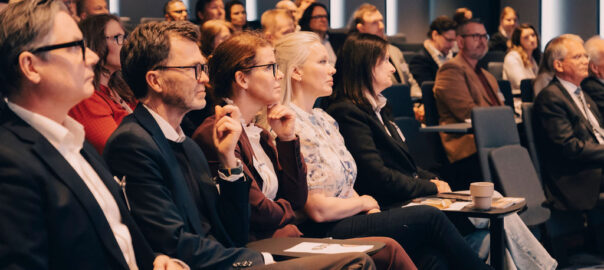
AmCham Annual General Meeting & Transatlantic Assembly 2026
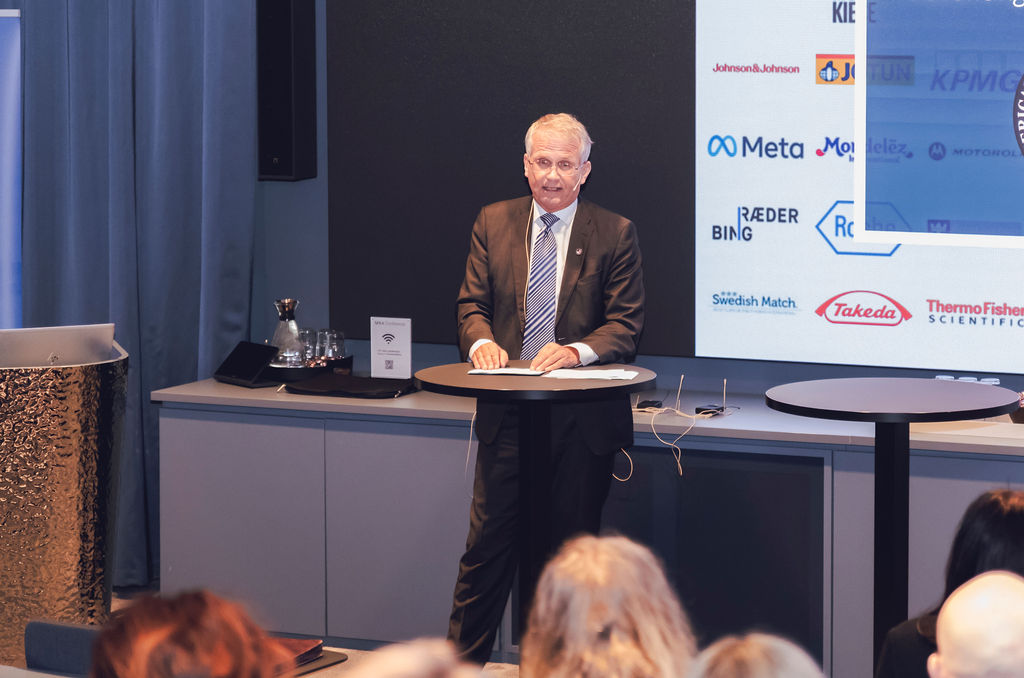
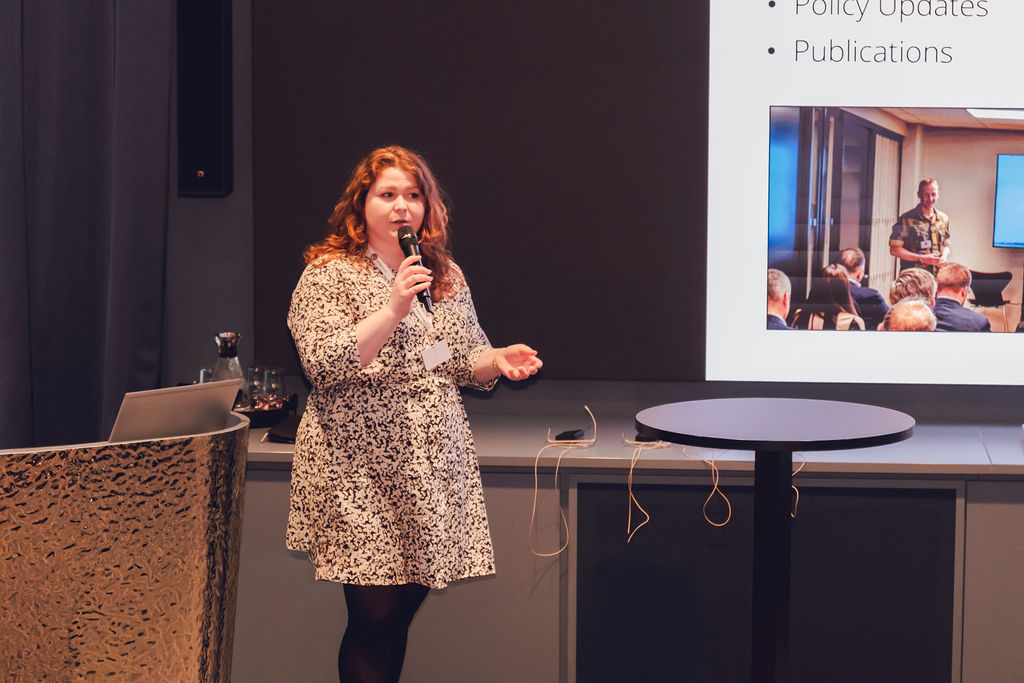
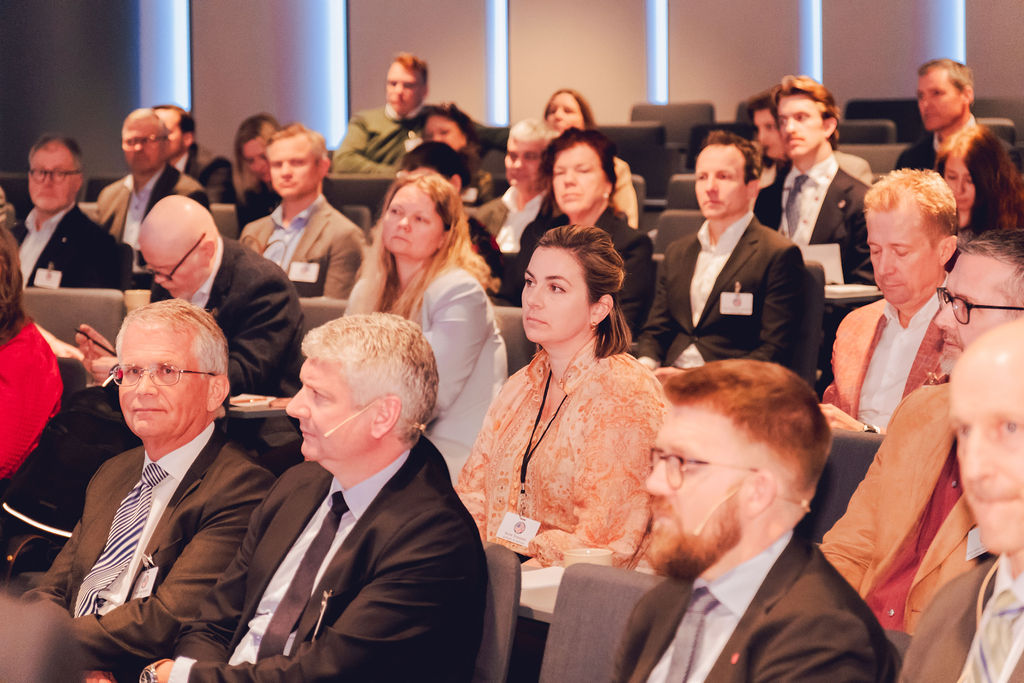
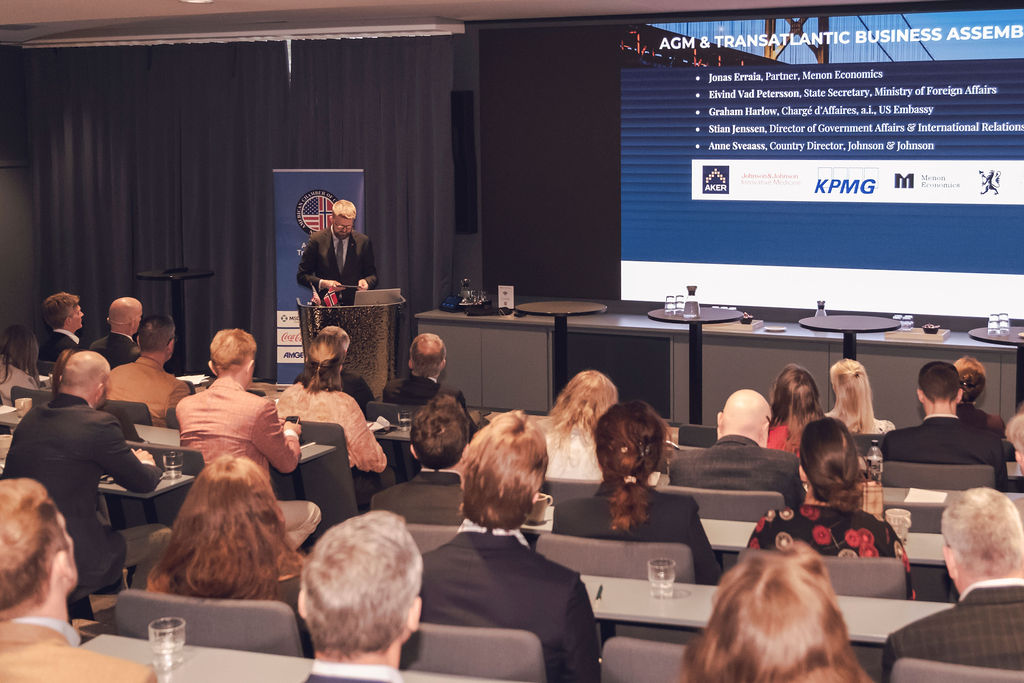
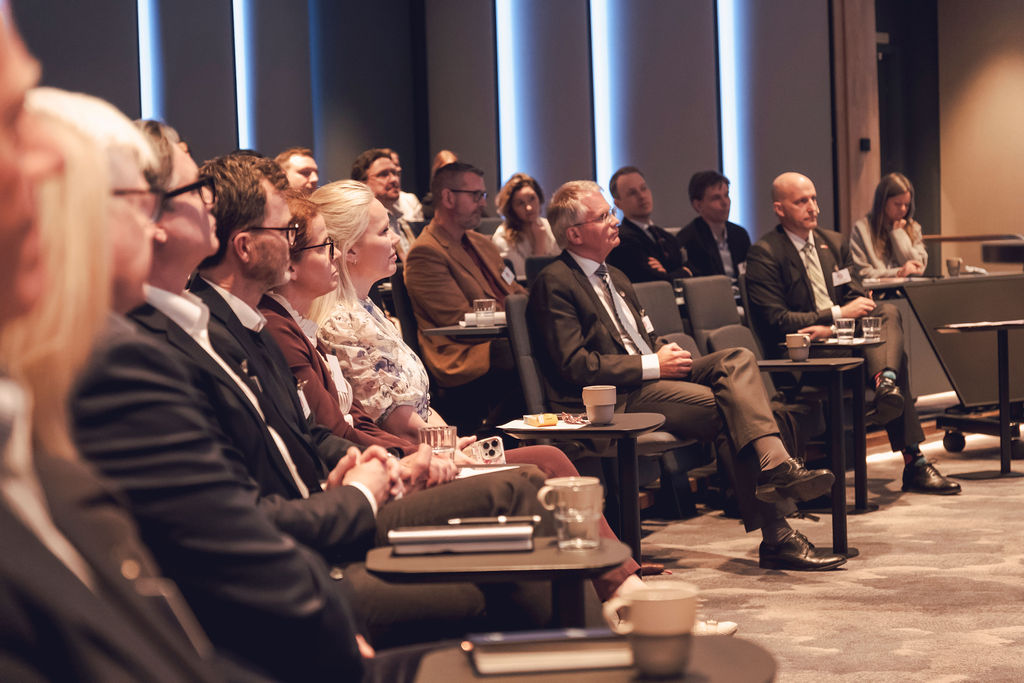
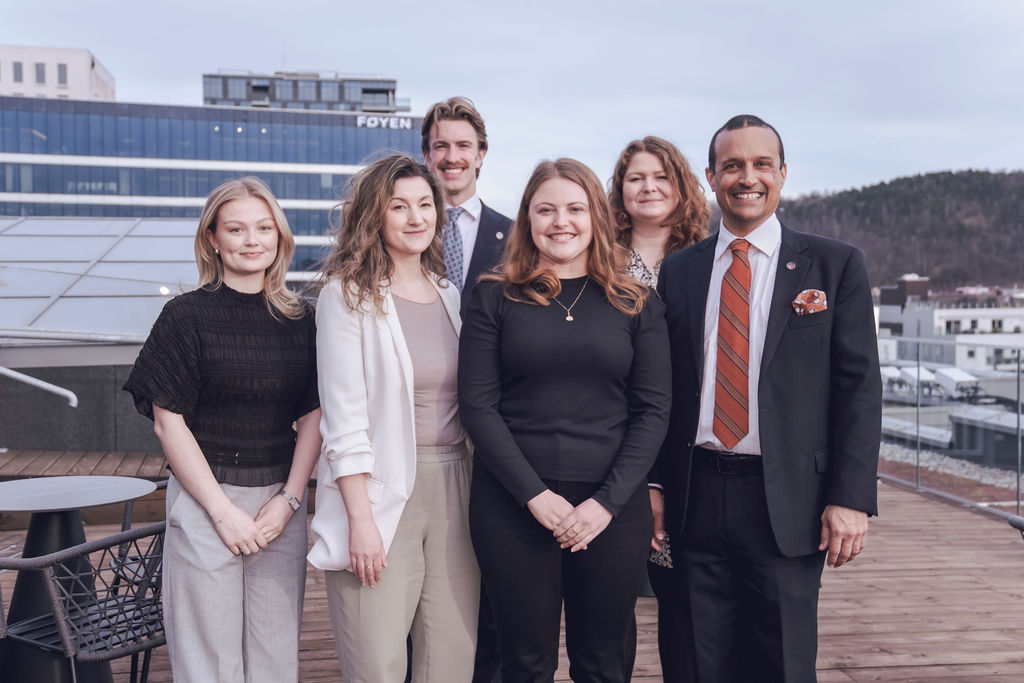
Managing Director Jason Turflinger welcomed attendees to AmCham’s 2026 Annual General Meeting, warmly hosted by KPMG. He presented the organization’s non-profit results, highlighting that AmCham remains on solid footing with growing engagement across initiatives. This momentum has strengthened AmCham’s capacity, including the recent expansion to five full-time staff, a first in the organization’s 68-year history.
AmCham Chair Ketil Nordengen (3M) emphasized the importance of strong member engagement and cross-industry collaboration in an increasingly complex transatlantic landscape. Nordengen said that when conditions shift and evolve, trusted networks, credible information, and public-private partnerships become strategic necessities. Guided by this understanding, AmCham works to ensure our members have the clarity needed to act with confidence in times of uncertainty.
A Renewed AmCham Board of Directors
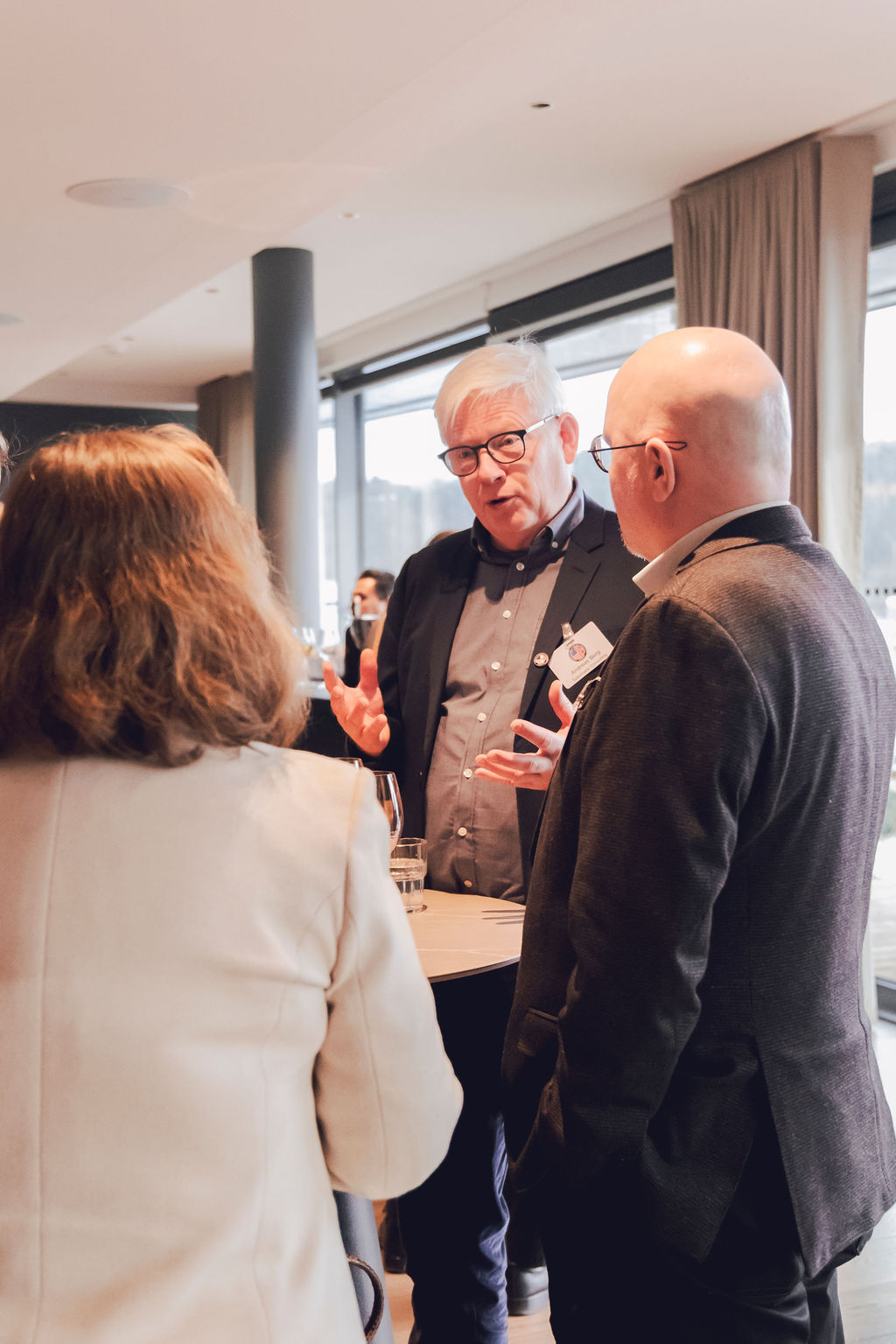
Nominees for AmCham’s Board of Directors were announced, with Emma Cerrone, Managing Director at MSD Norway, and Gustav Saastad, VP & Head of Group Government Affairs at Hydro, confirmed and warmly welcomed. The renewed Board of Directors boasts extensive international and cross-industry expertise, well positioned to support and advance AmCham’s key pro-business initiatives. On behalf of the Nominating Committee, Turflinger also recognized Andreas Berg, Managing Director of Tailormade Consulting, for his longstanding and dedicated service as AmCham’s current longest-serving board member.
AmCham Board Vice Chair Charlie Lea, KPMG, was also acknowledged for generously hosting the AGM and Assembly at their new Bjørvika office, and for his and KPMG’s longstanding support.
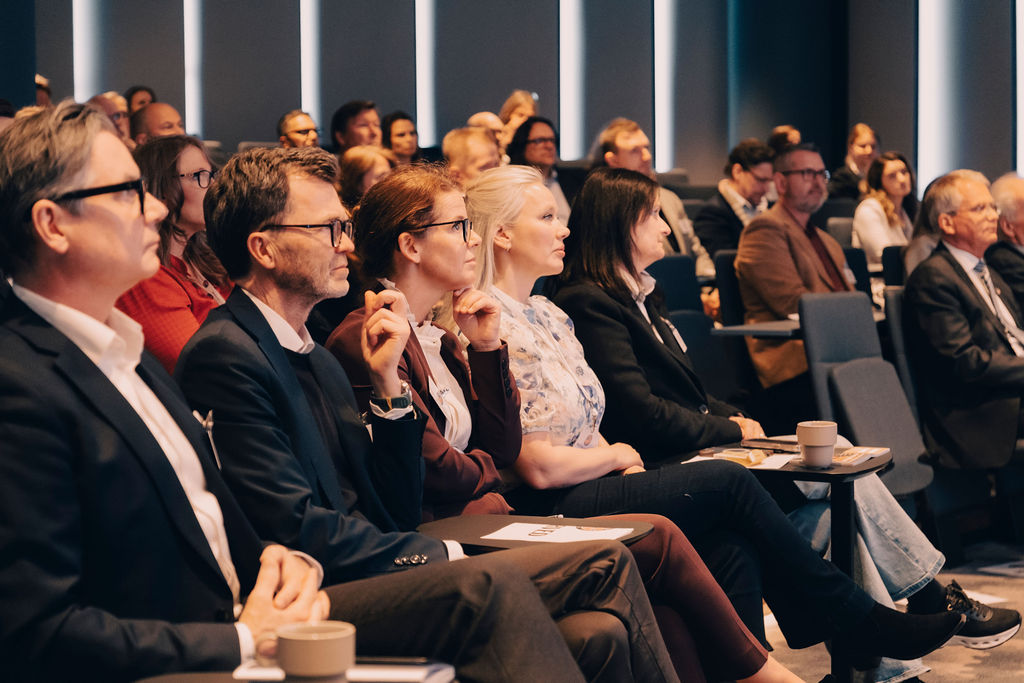
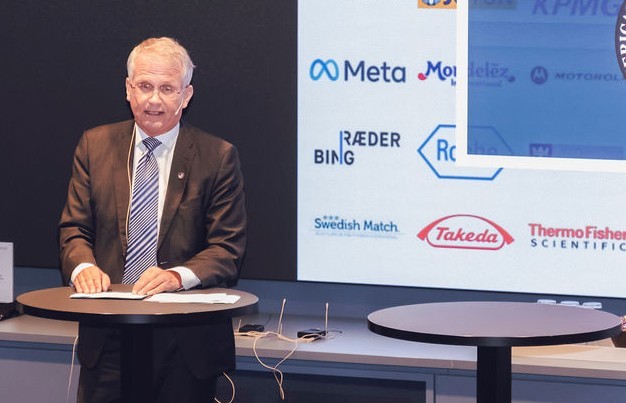
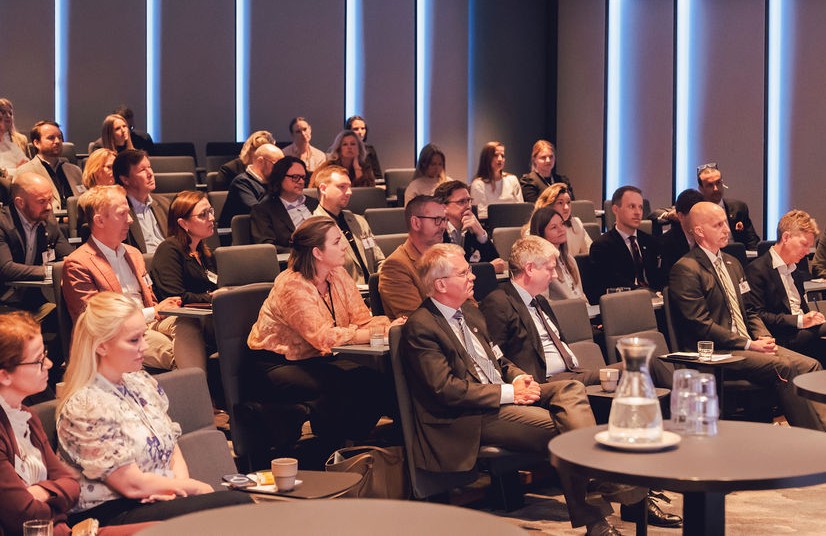
Navigating Noise and Reality in Transatlantic Business
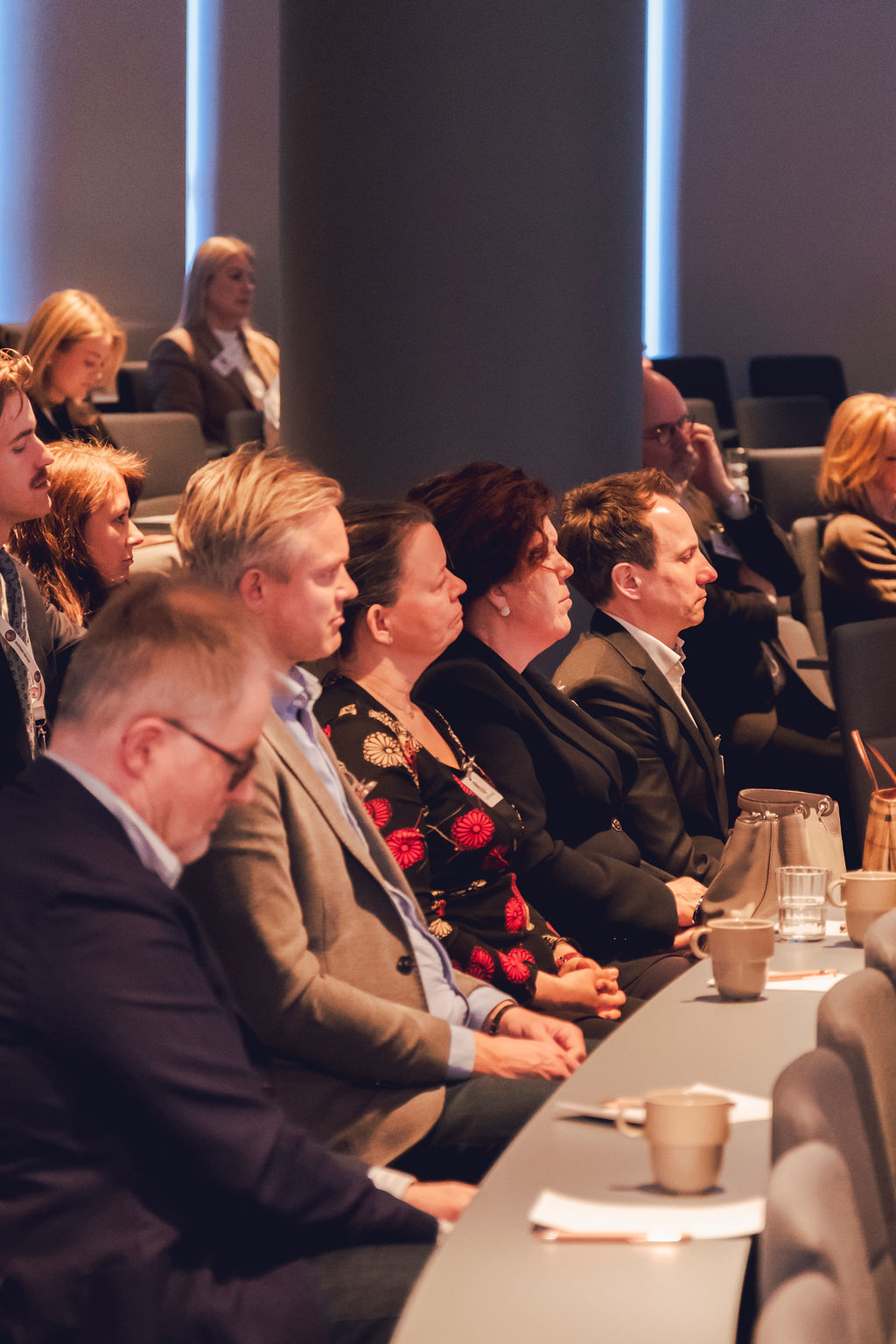
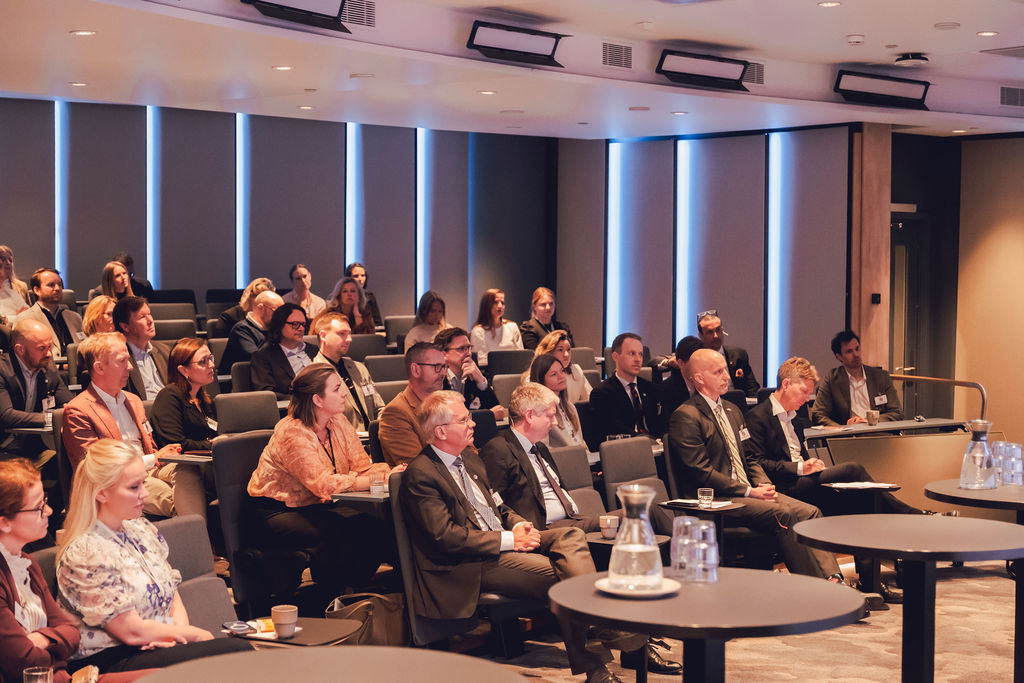
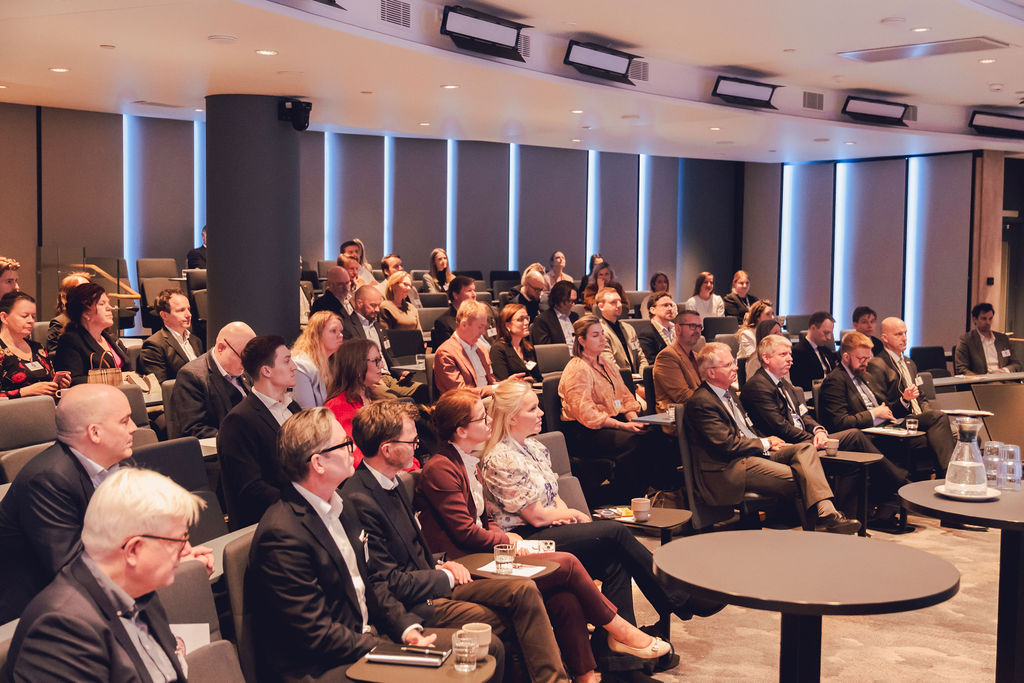
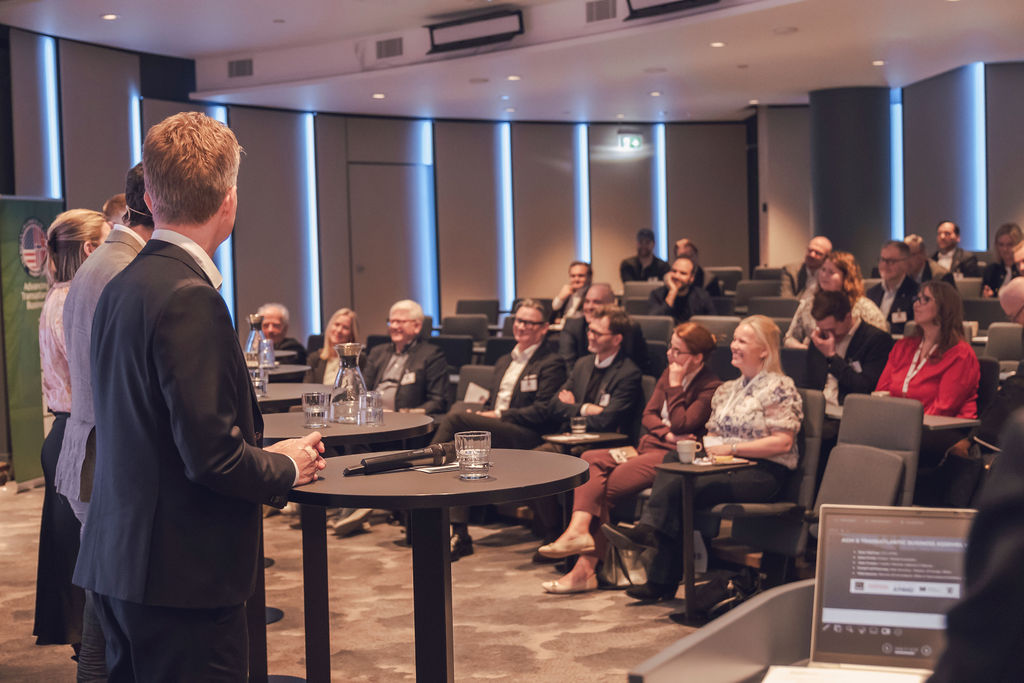
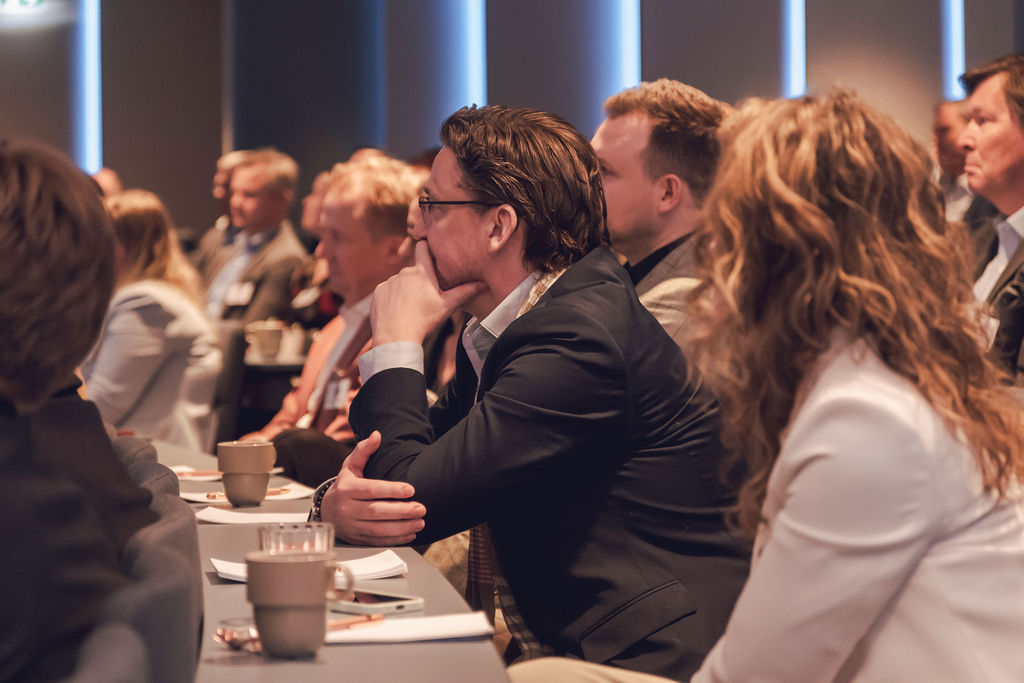
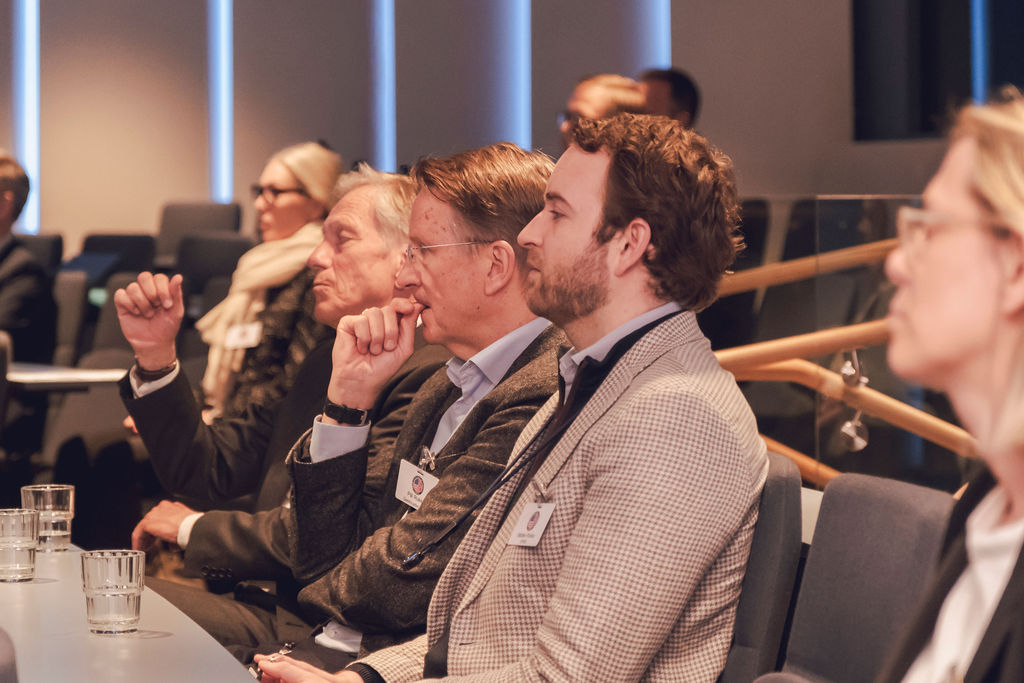
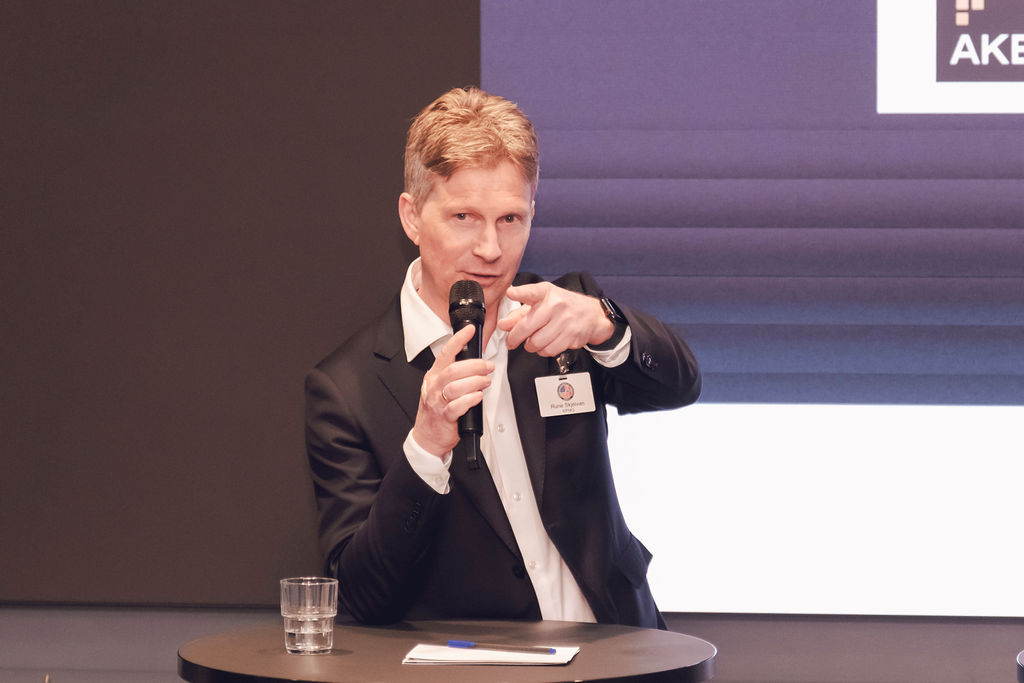
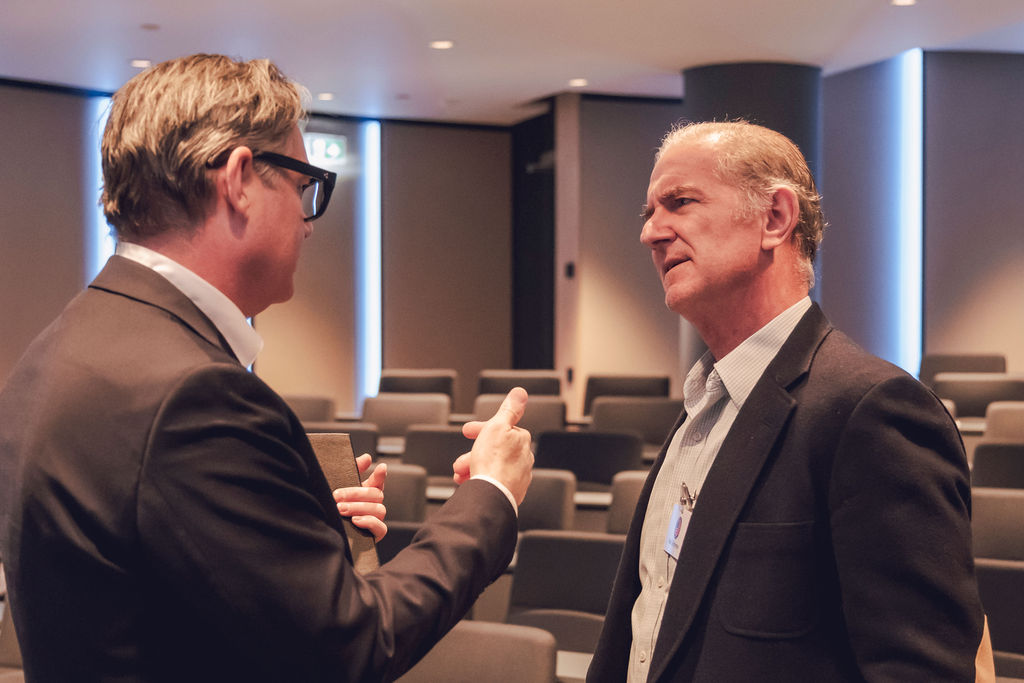
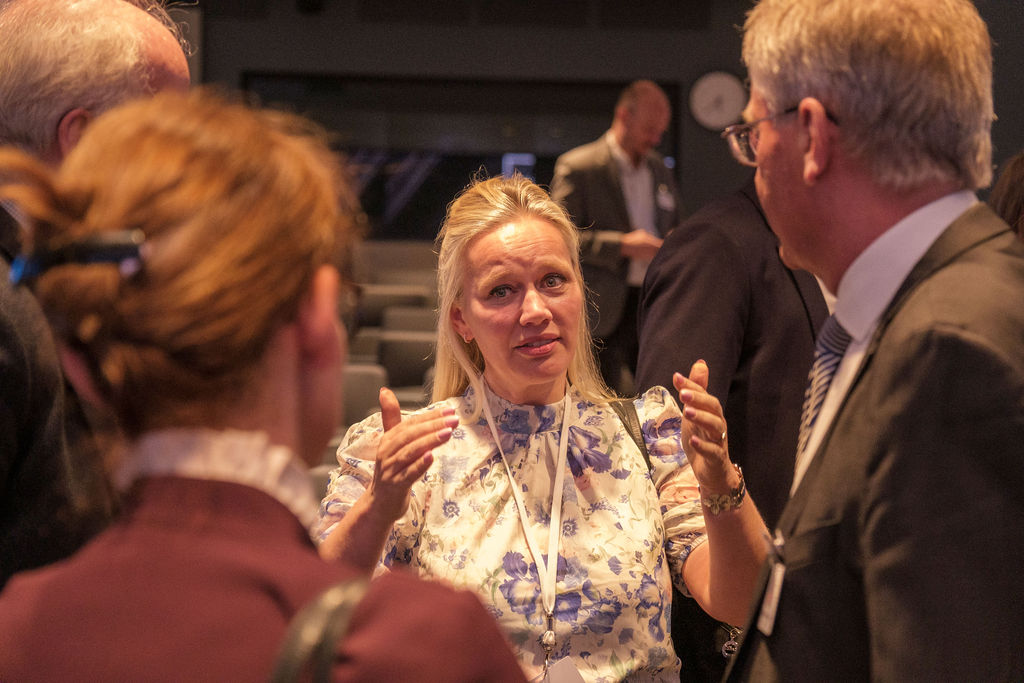
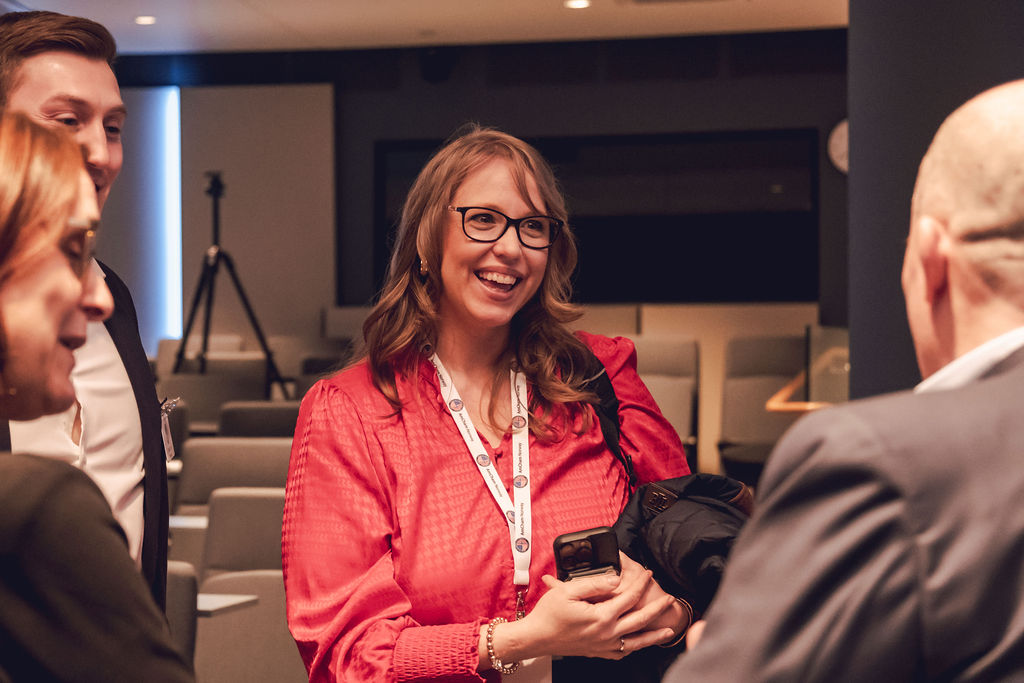
Following the AGM, the Transatlantic Assembly focused on noise vs. actual business impacts, short vs. long-term strategies, rapid technological change, and a shifting global economic and competitive landscape. KPMG Norway’s CEO Rune Skjelvan provided opening remarks, followed by keynotes from members and partners.
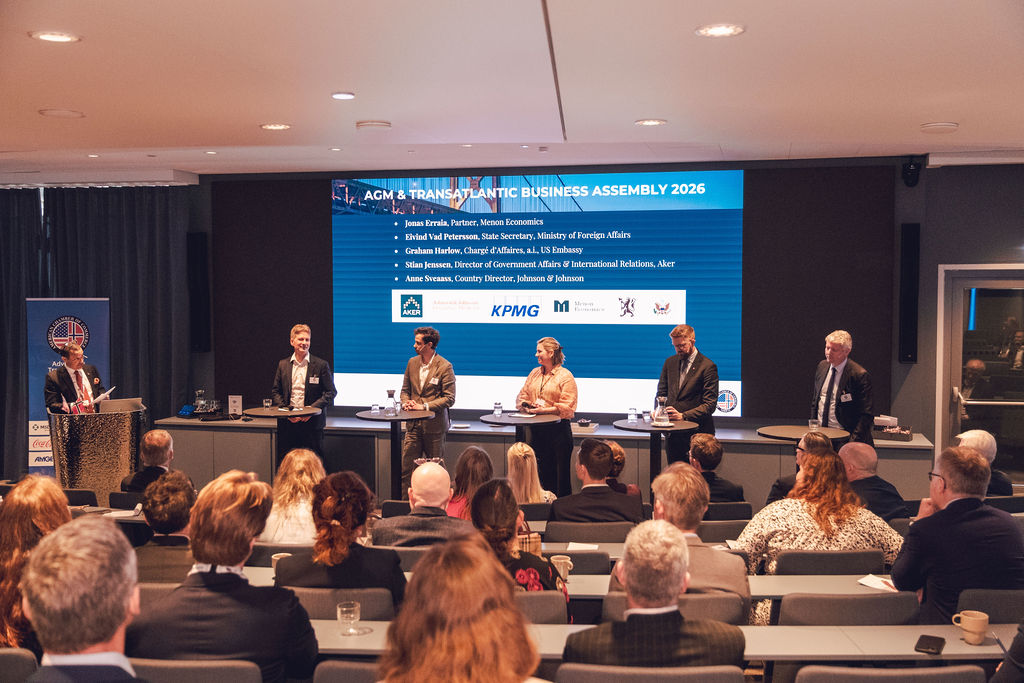
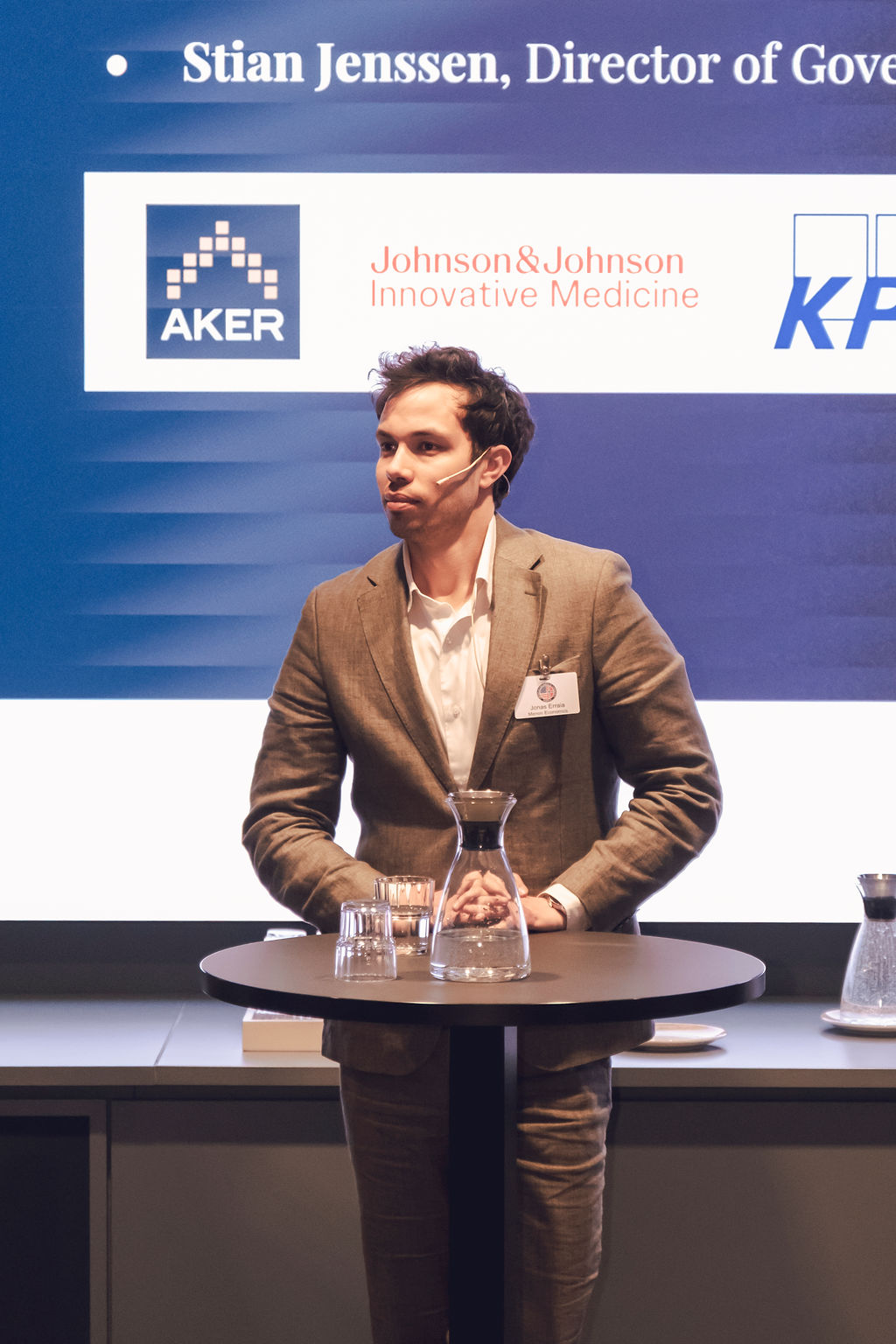
Jonas Erraia, partner at Menon Economics, presented key insights from the updated US Companies in Norway report. The most recent edition shows 487 active US entities in Norway, employing nearly 49,000 people across industries – with Petroleum, Healthcare, and ICT leading in scale. Erraia noted that, compared to other countries, US companies stand out for their productivity, significant contributions to GDP, and role as the second largest foreign employer. These contributions, Erraia emphasized, are important to keep in mind when assessing the value of the broader trade relationship.
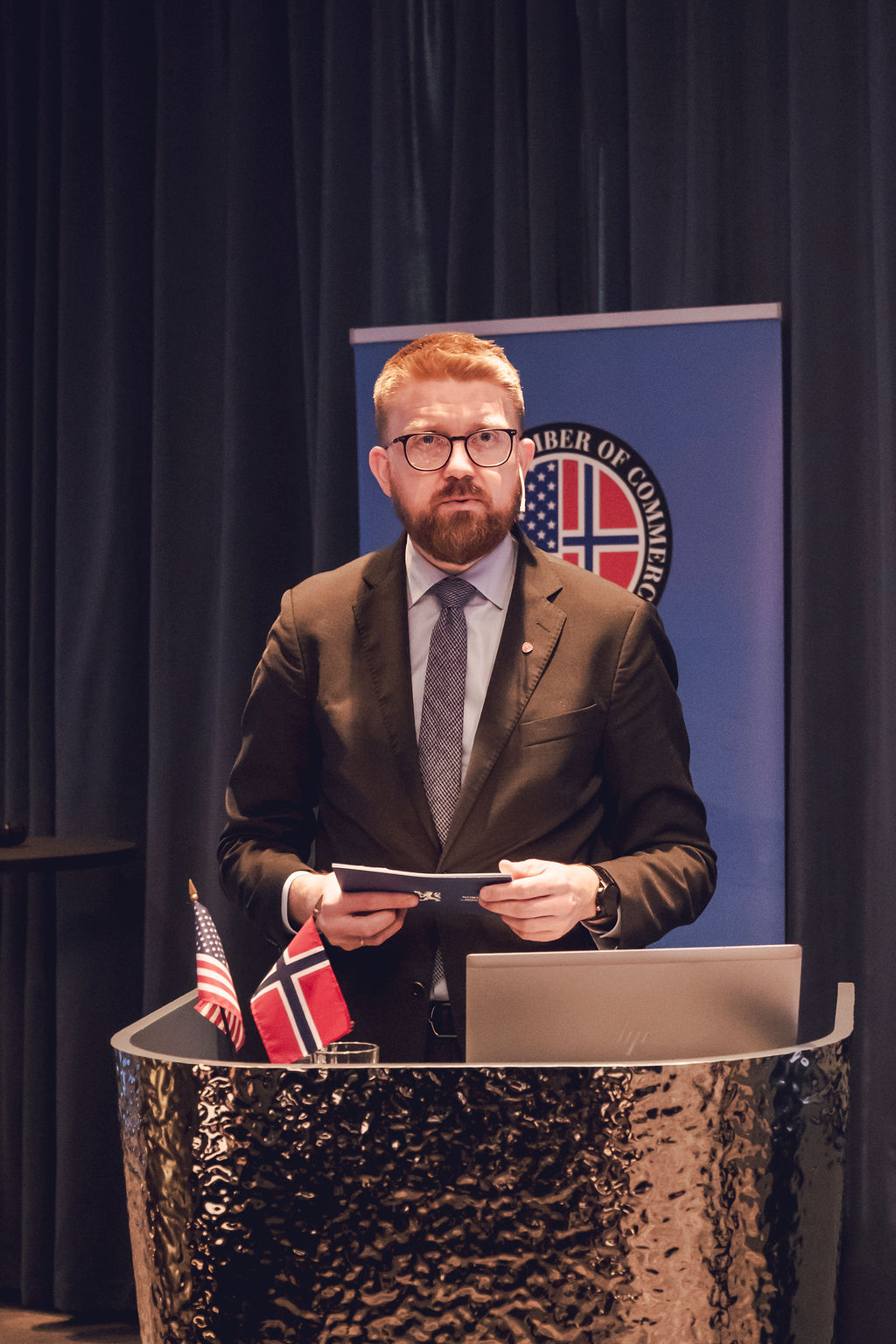
State Secretary of the Ministry of Foreign Affairs, Eivind Vad Petersen, followed with a keynote on the government’s views on the current trade and geopolitical environment, outlining key challenges, opportunities, and priorities in the years ahead. He emphasized the importance of the bilateral relationship between the US and Norway, and the enduring ties that have created a wealth of opportunities for both sides.
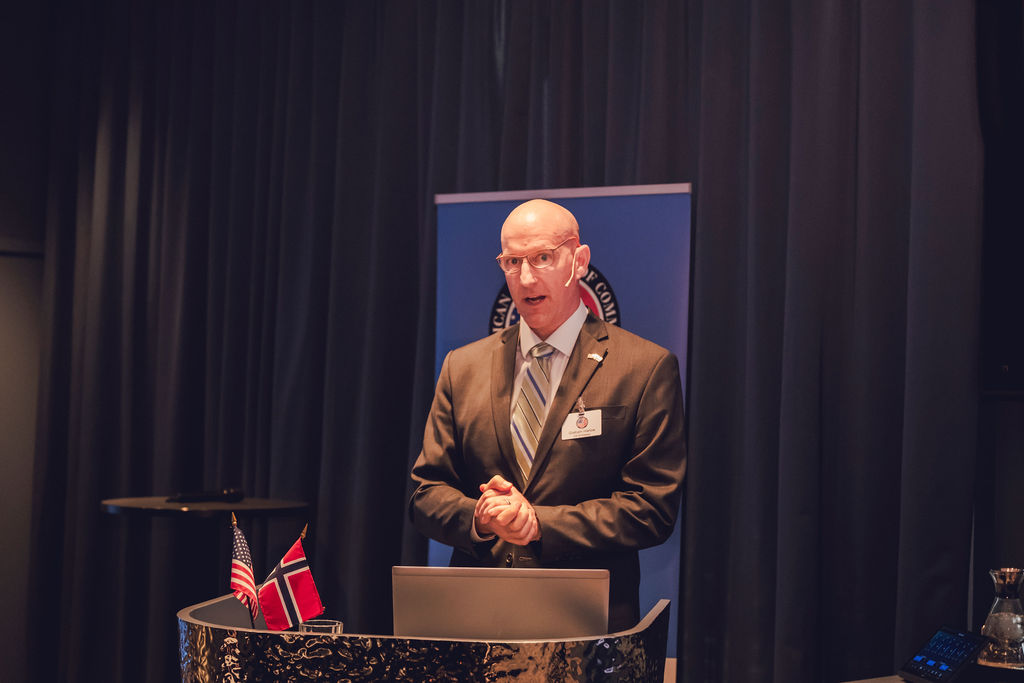
Graham Harlow, Chargé d’affaires a.i. at the US Embassy, reaffirmed the strength of that relationship, highlighting Norway’s role as a key partner in areas such as defense, energy, and critical minerals. Harlow also underscored the value of sustained dialogue and encouraged continued engagement from AmCham members.
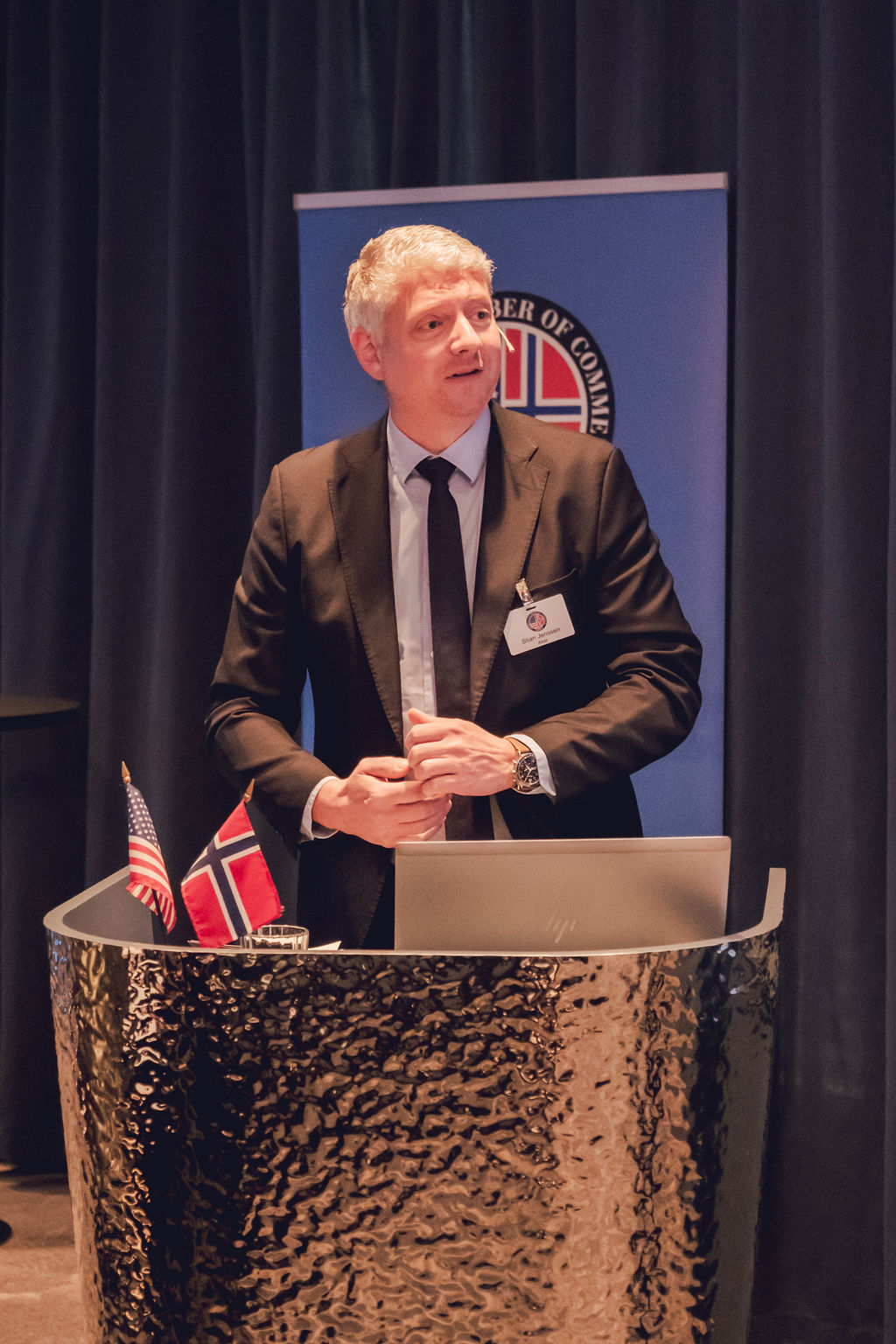
Stian Jenssen, Director of Government Affairs and International Relations at Aker, then offered a broader perspective, drawing on his experience from both NATO and the private sector. Through concrete examples, he addressed how to navigate uncertainty, noting that while the current environment presents real challenges, it also opens new opportunities for those willing to adapt and invest.
Photos: Traci Amadi-Knudsen
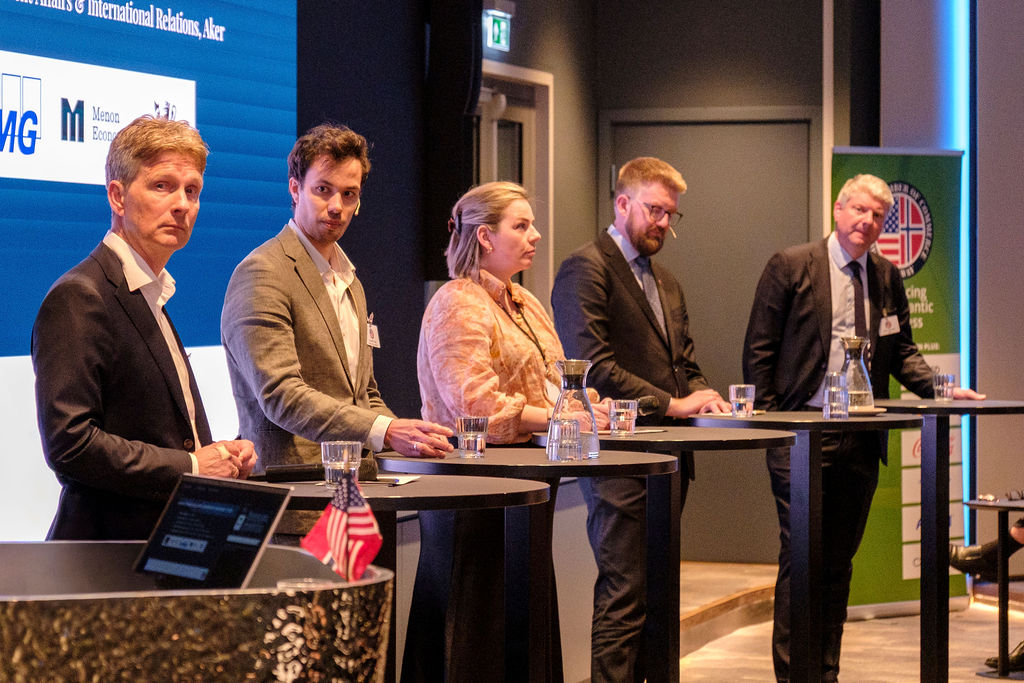
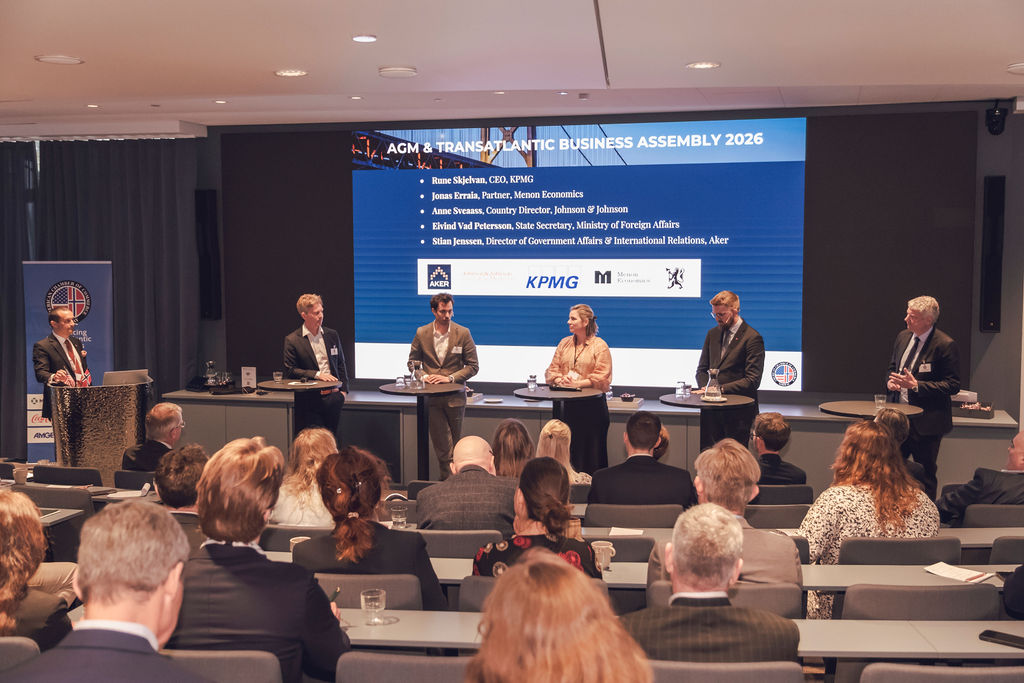
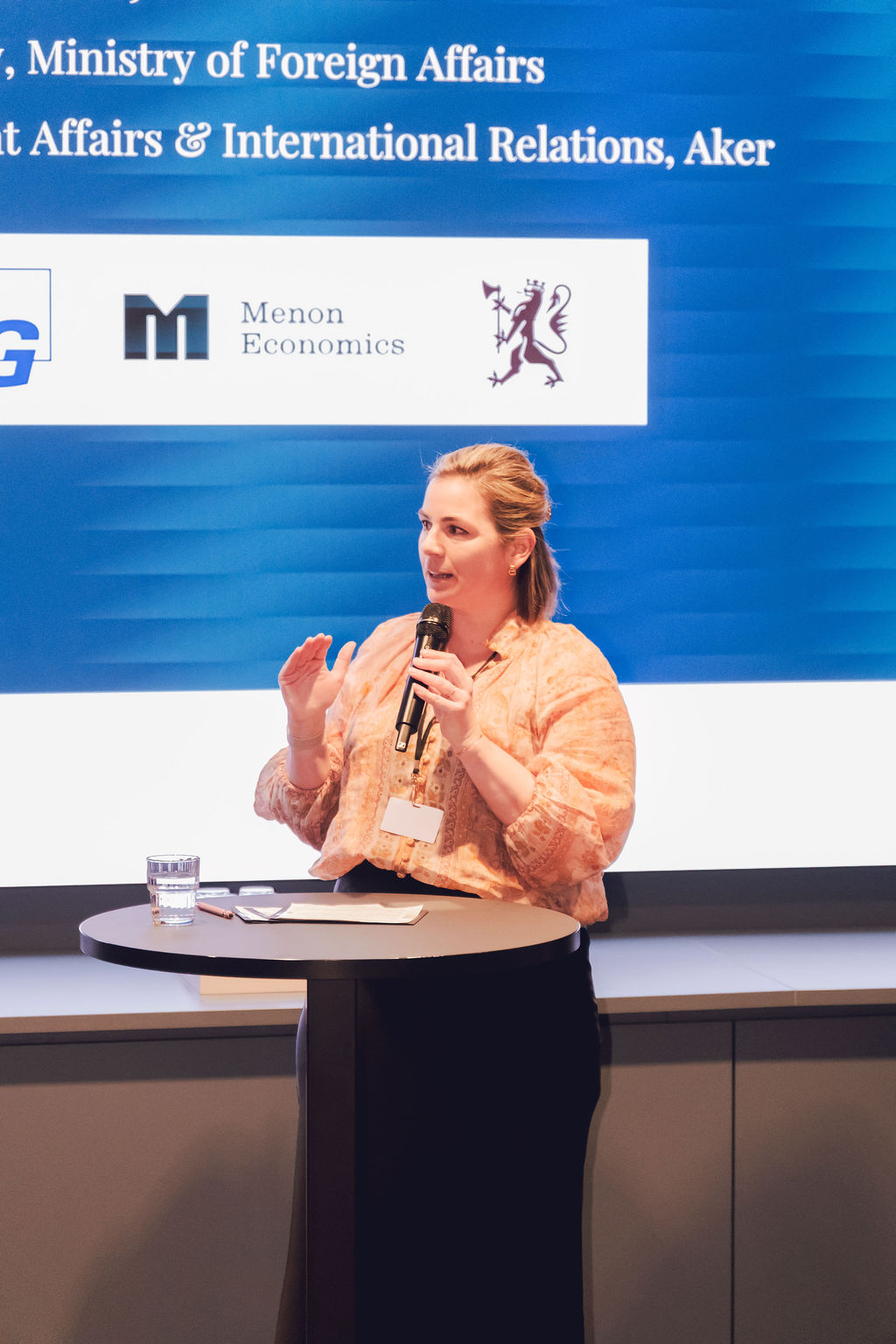
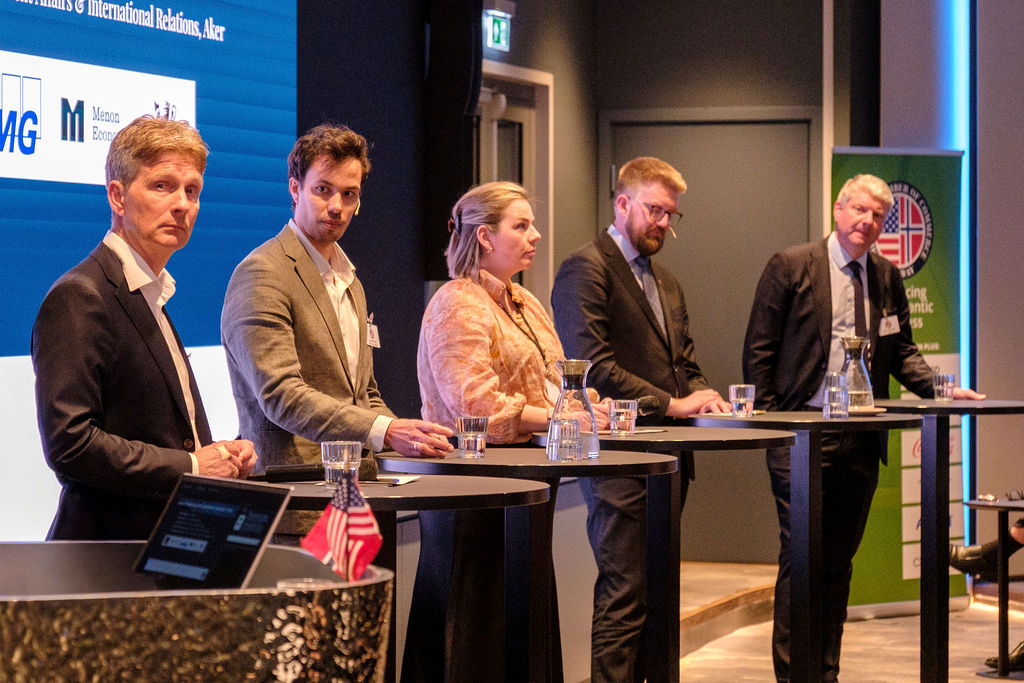
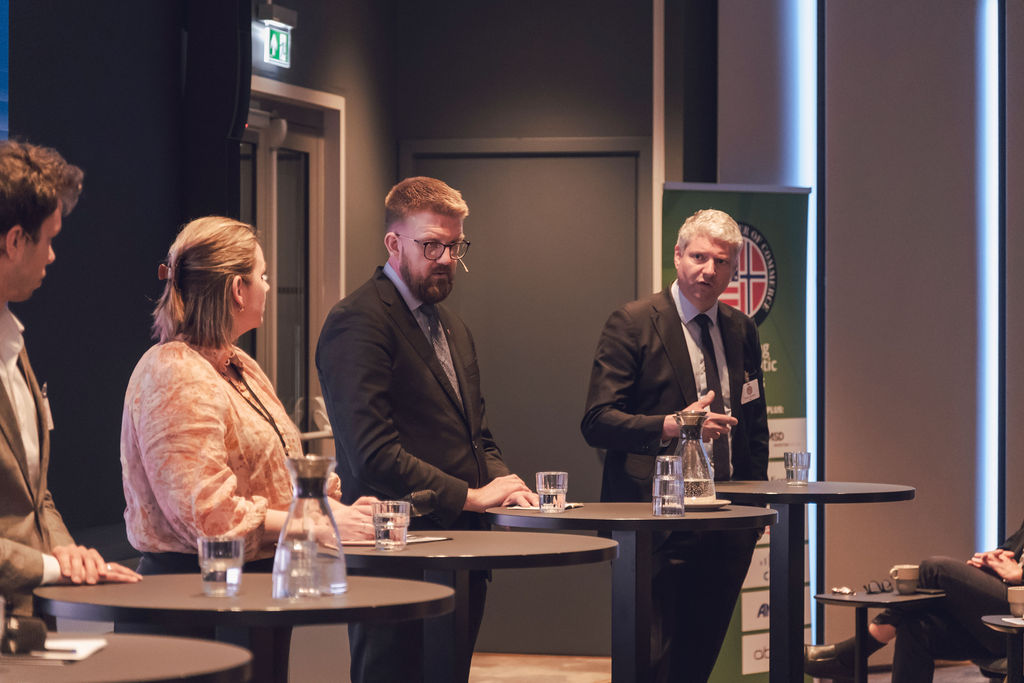
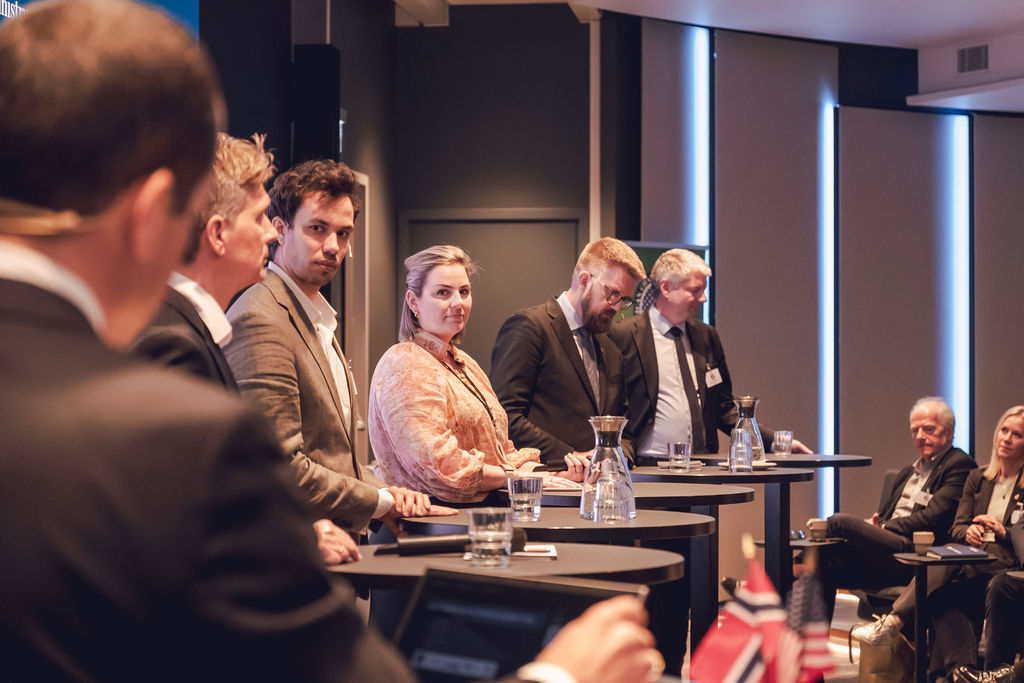
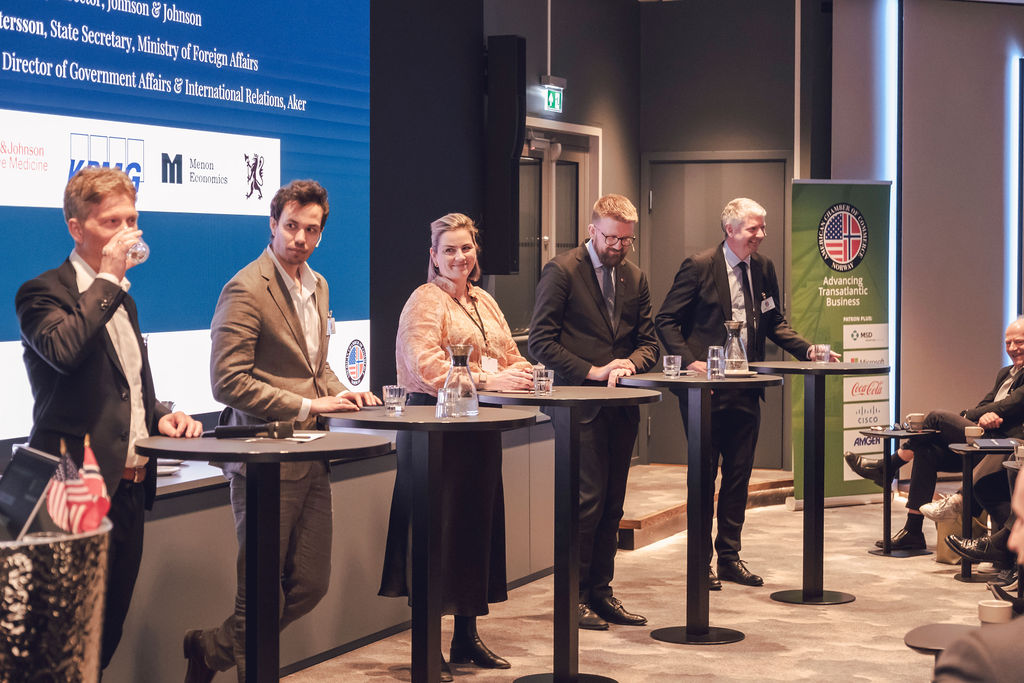
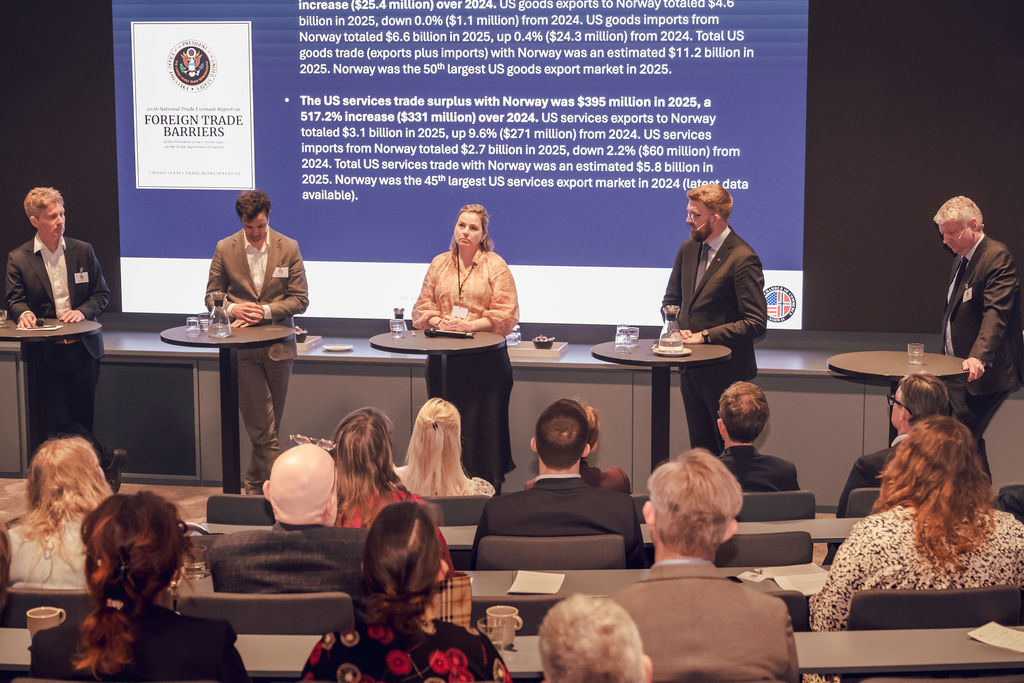
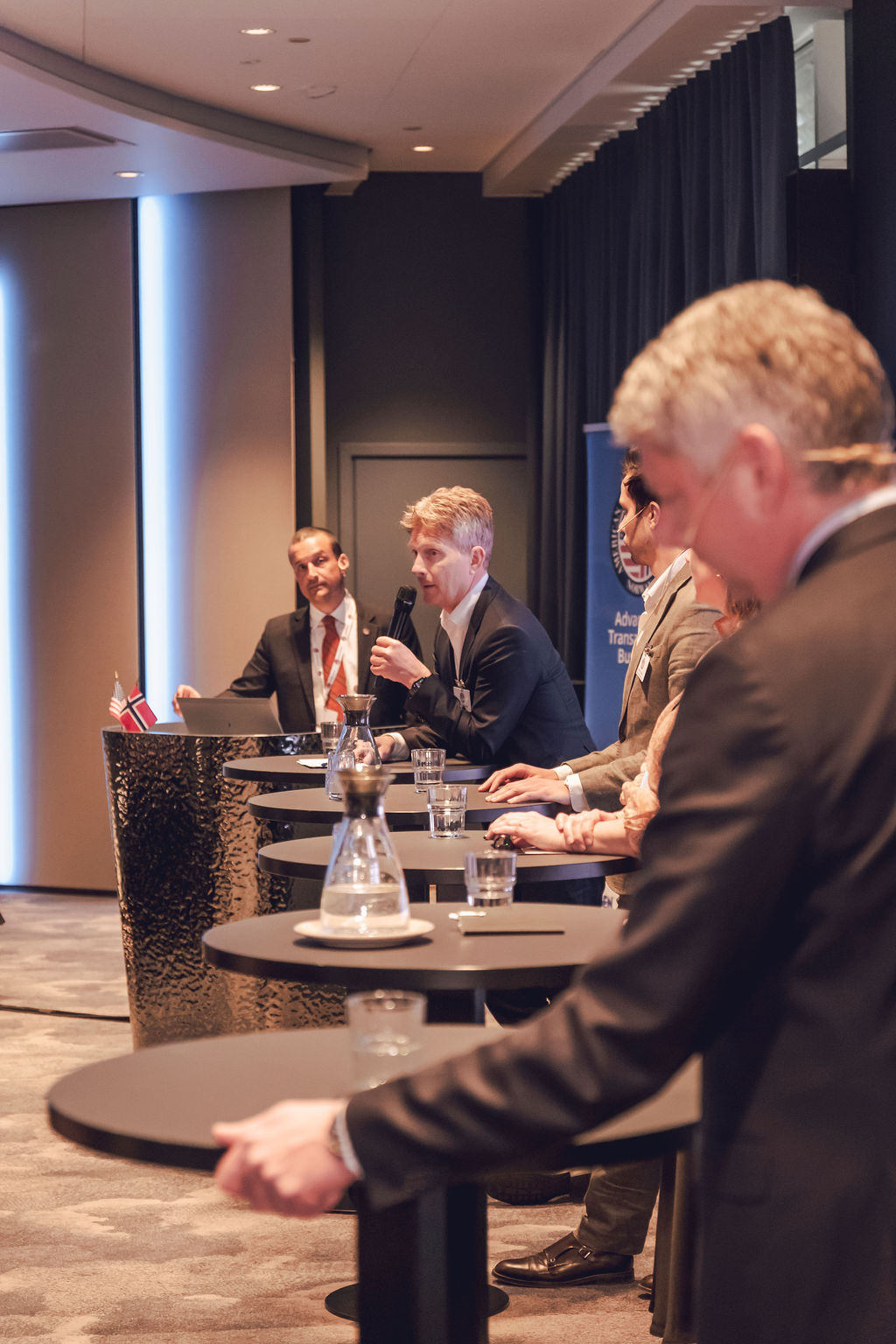
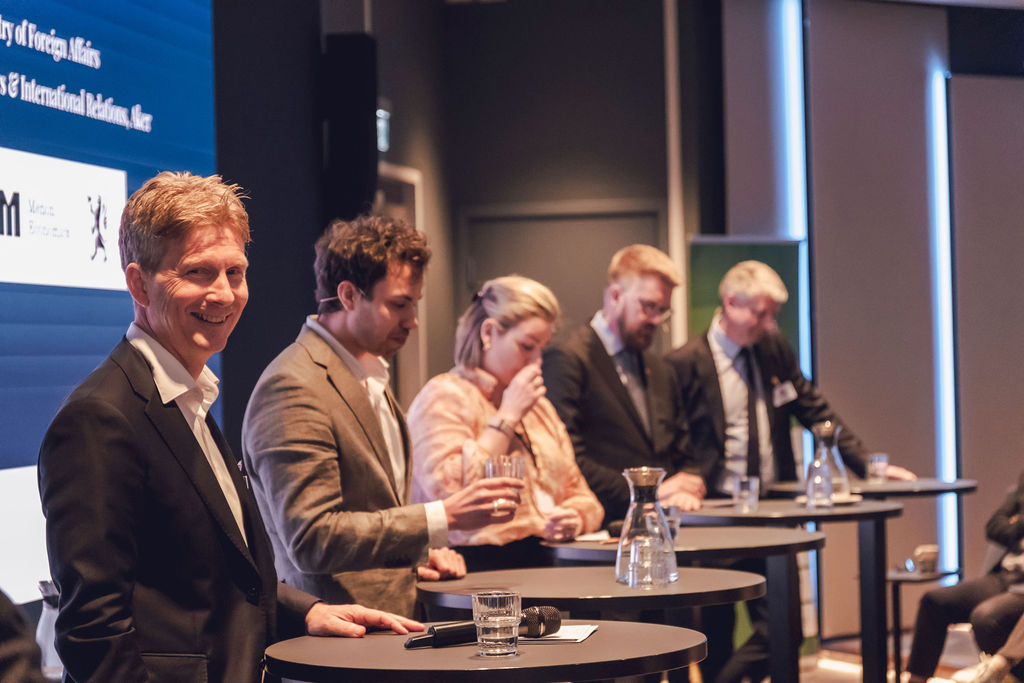
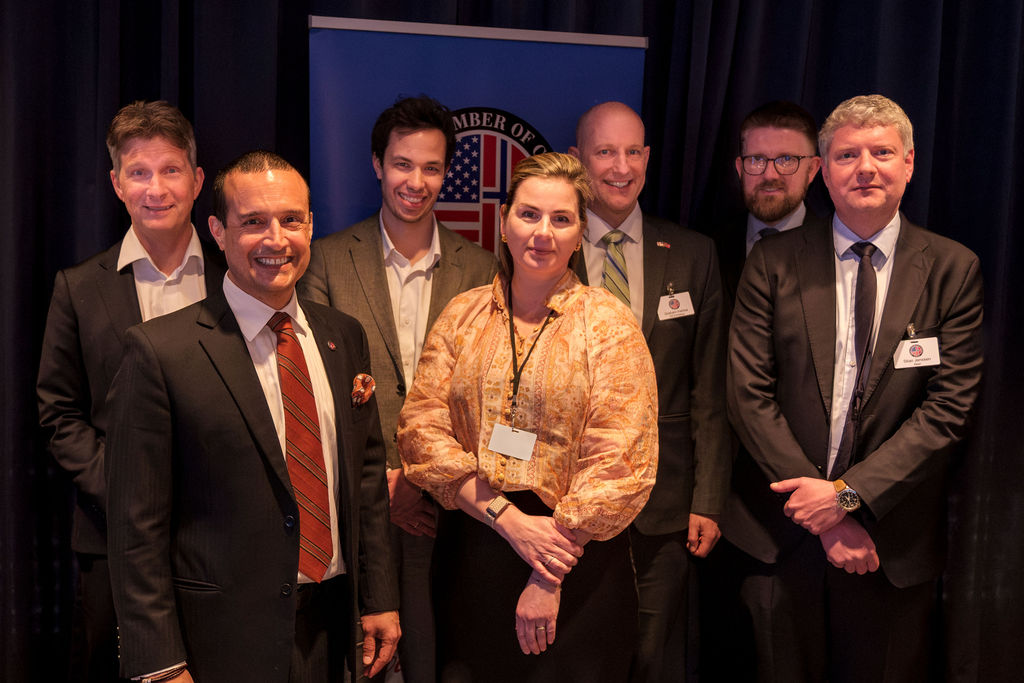
The subsequent panel discussion, moderated by Turflinger and joined by Anne Sveeaas, Country Director at Johnson & Johnson Norway, brought together frank perspectives from both business and government.
Panelists highlighted that transatlantic trade and investment remain robust despite political turbulence, pointing to the underlying strength of economic ties. At the same time, discussions reflected a growing focus on resilience, through diversification of supply chains, strategic infrastructure investment, and a more deliberate approach to managing risk and dependency. This was particularly evident in conversations addressing technology and energy systems.
There was broad recognition that while conversations around sovereignty and strategic autonomy are becoming more prominent, close transatlantic collaboration continues to be essential. Norway’s position as a stable, innovative, and resource-rich partner was emphasized as a key advantage in an increasingly competitive global landscape. The importance of talent mobility, cross-border cooperation, and continued engagement between public and private stakeholders was also highlighted as critical to sustaining long-term competitiveness.
Rounding out the panel, Turflinger invited the speakers to reflect on whether they found inspiration in the then ongoing NASA Artemis II space mission. Panelist responses highlighted themes of international collaboration, public-private partnership, and cross-industry shared ambition.
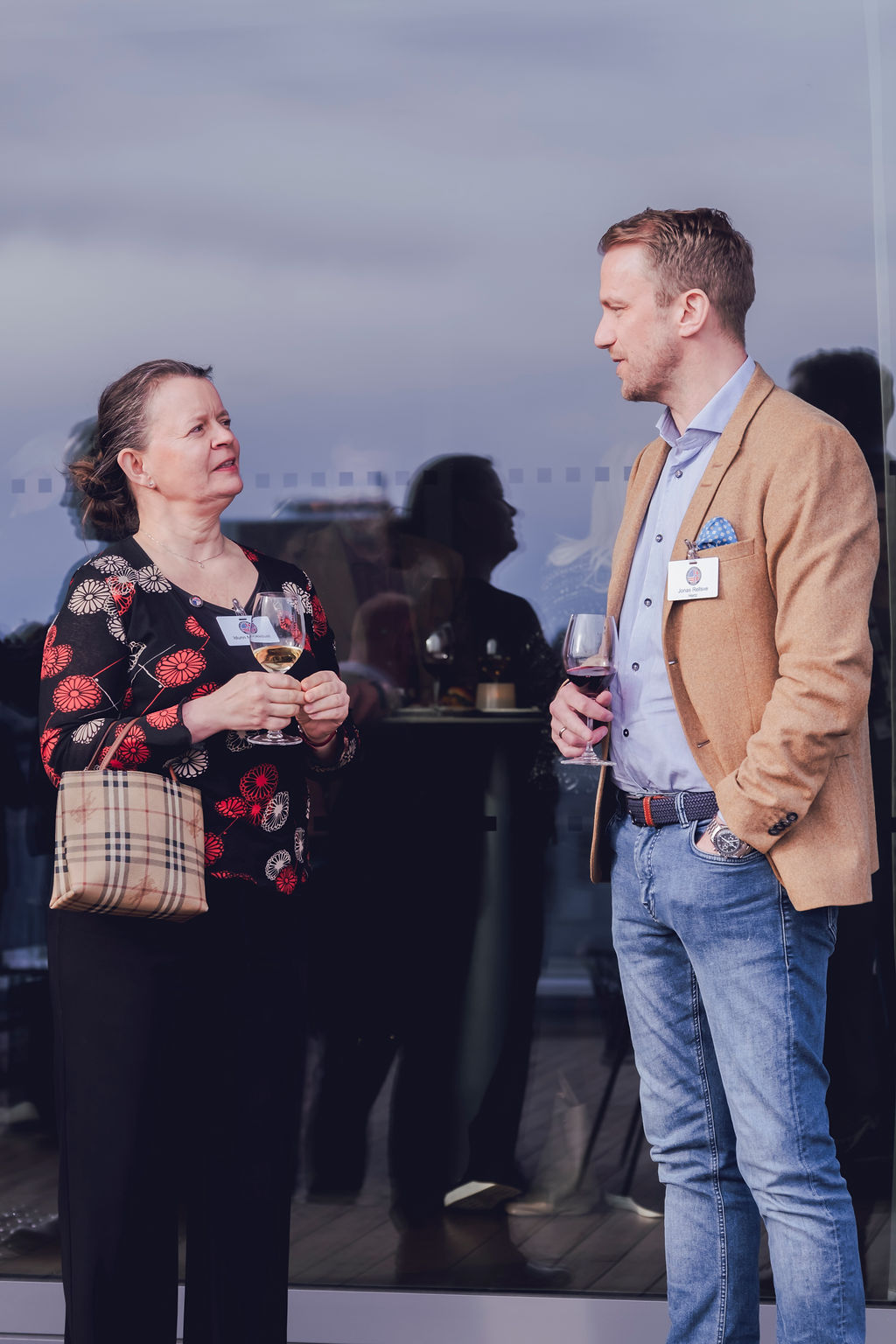
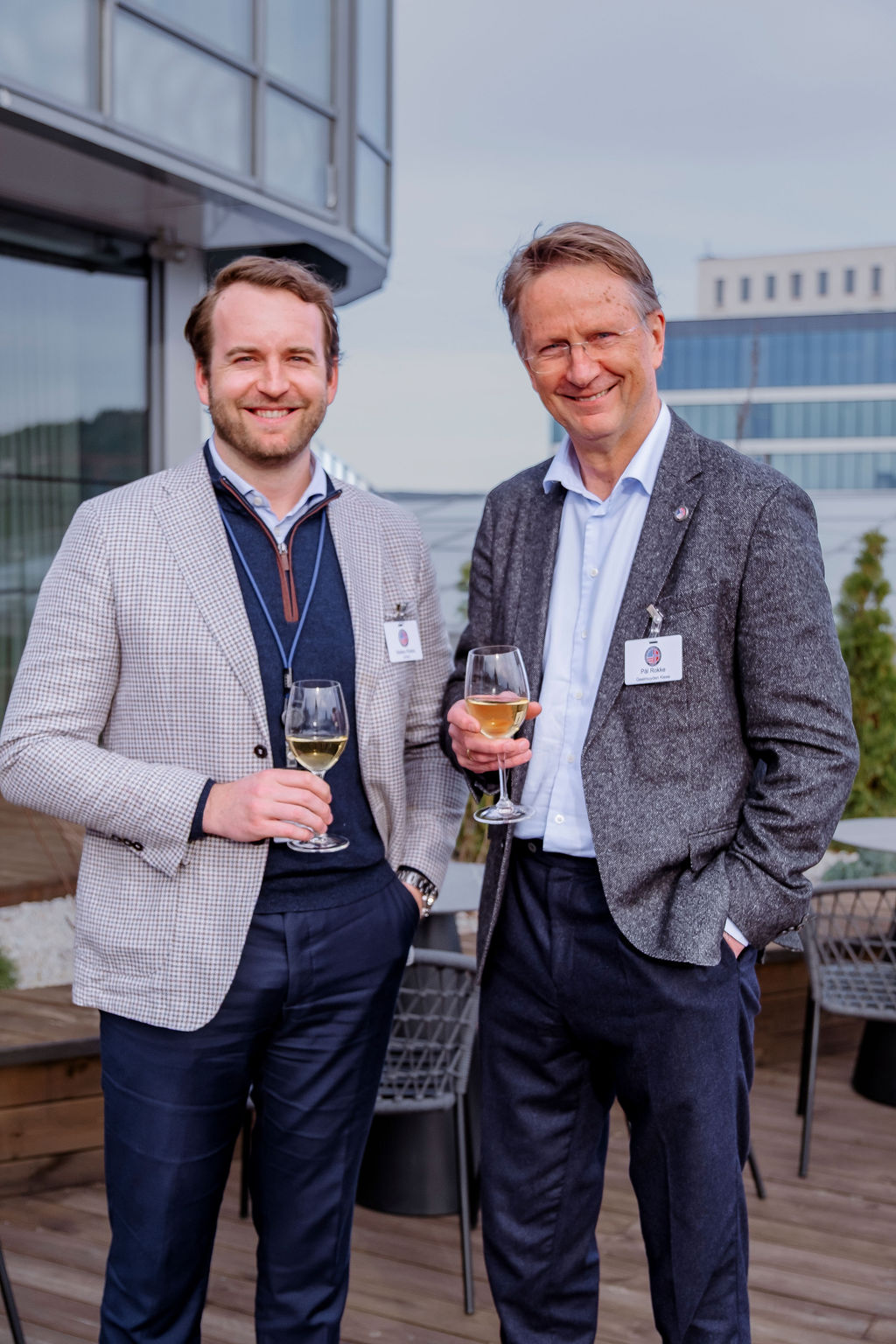
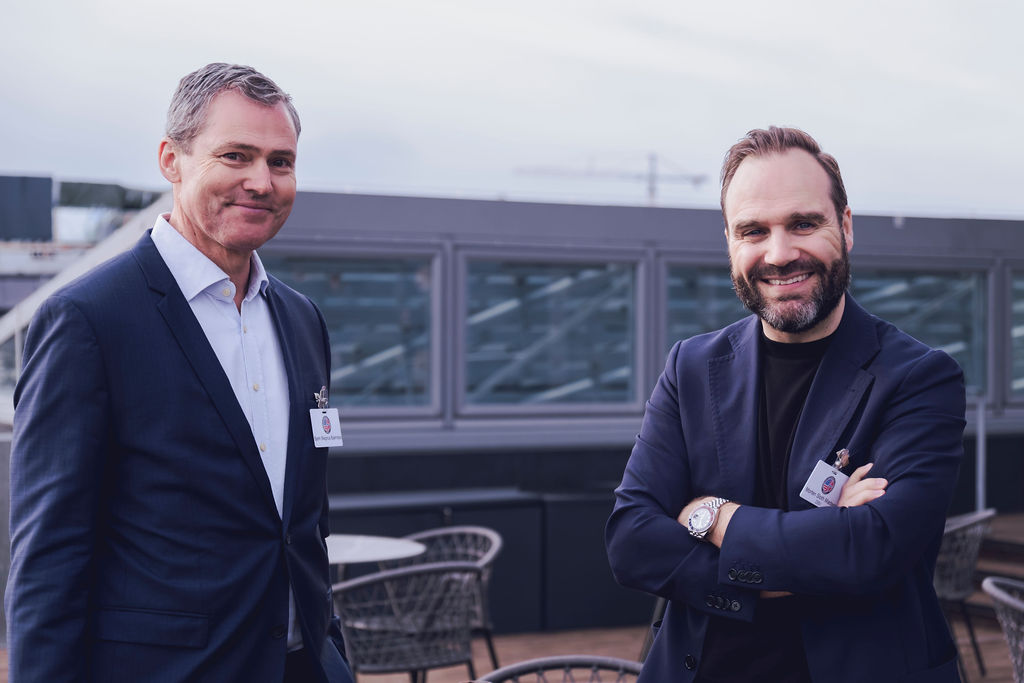
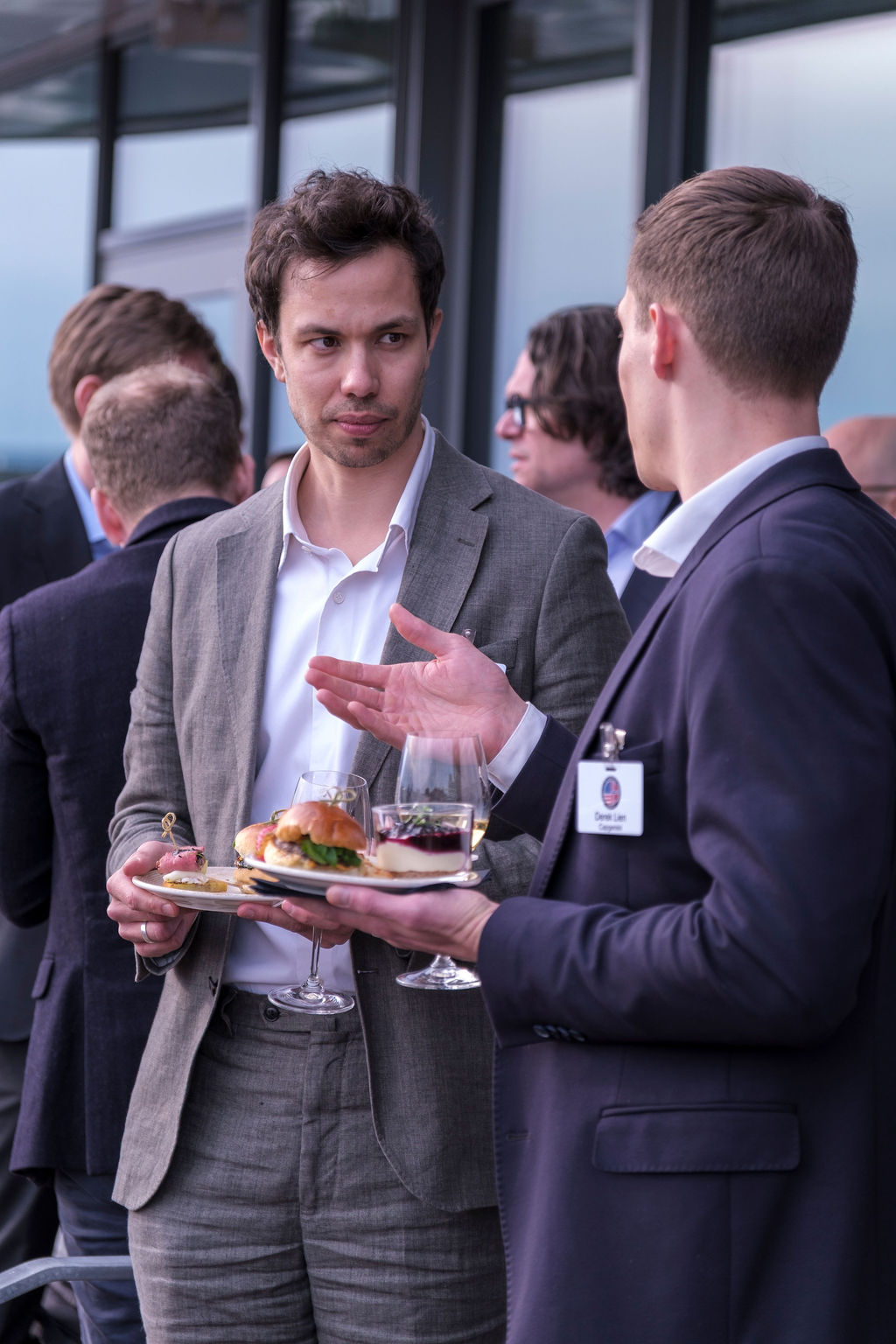
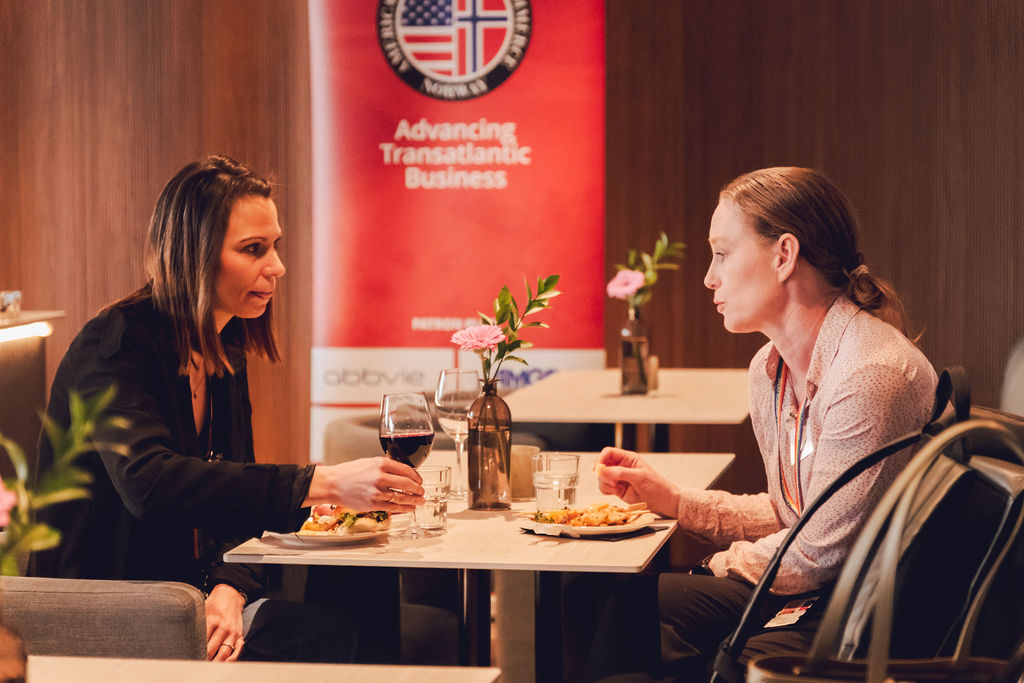
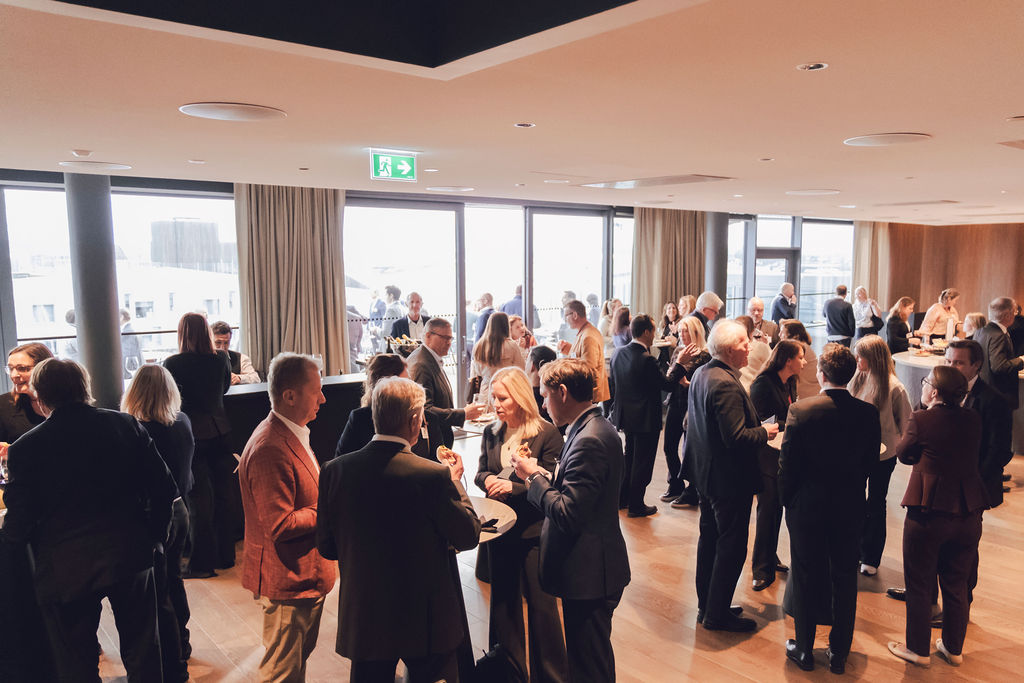
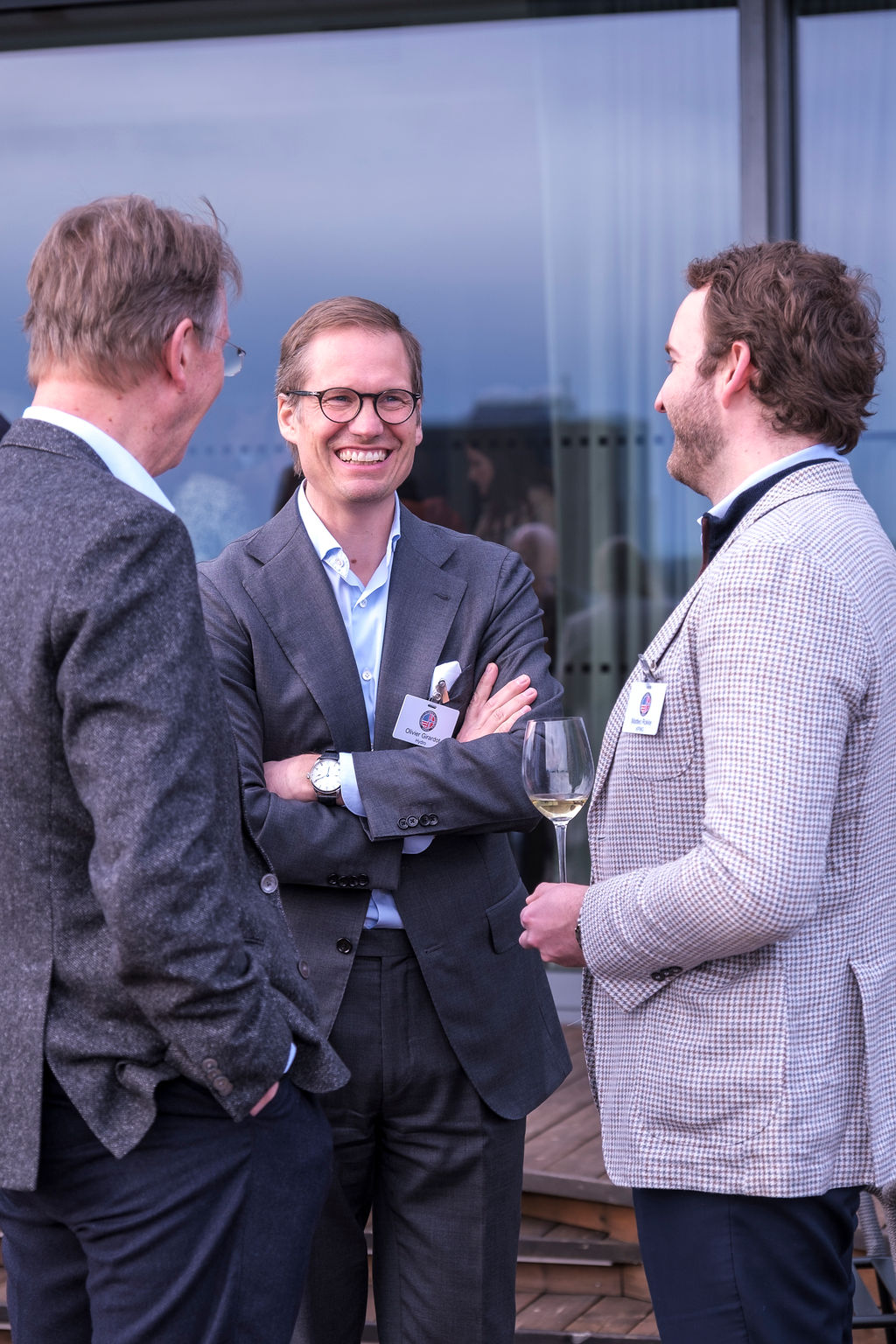
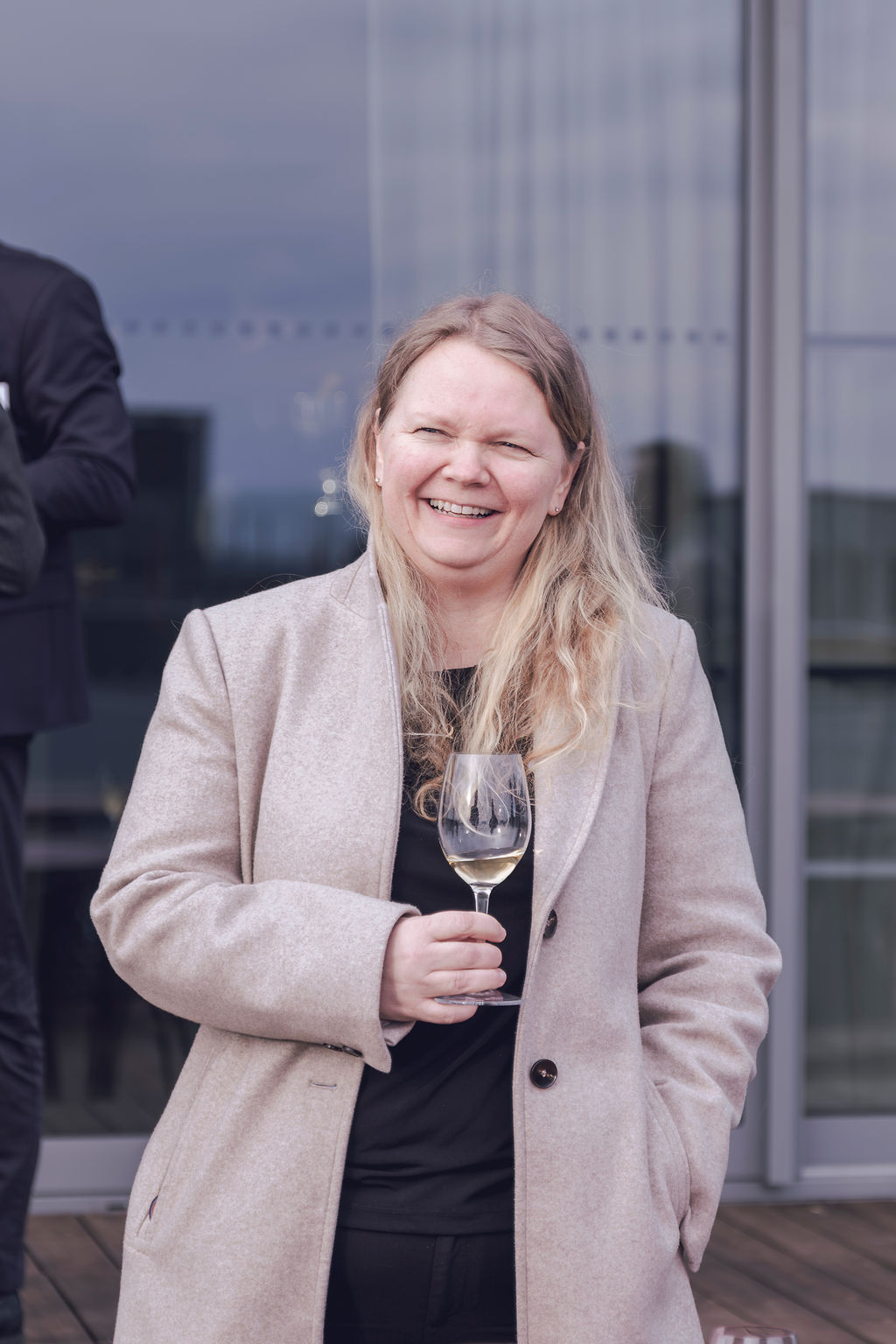
The meetings were adjourned with a reception at the KPMG rooftop, with appetizers and California wines enjoyed in the late afternoon sun. A warm thank you to all contributing hosts, members, partners and panelists for your candid engagement and support!