Tag Archives: Three Questions

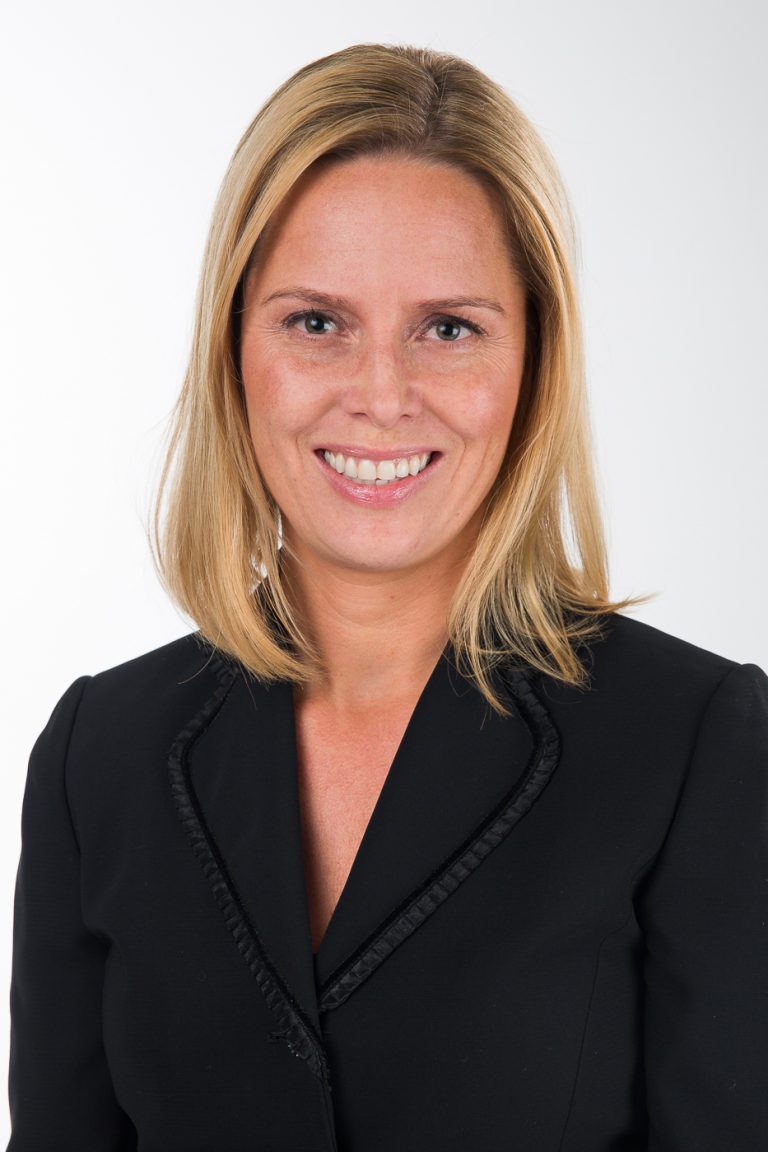
Three Questions with Annabell Siem Mathiesen

THREE QUESTIONS WITH

Annabell
Siem Mathiesen

CEO, Mercer Norge
COVID-19 has had a pronounced effect on businesses, regardless of industry, around the world. Each industry, however, has been met with unique challenges in relation to the pandemic – how has COVID-19 shaped the direct contribution (DC) landscape, particularly in regard to Egen pensjonskonto?

Pensions in Norway have been in a state of change for some time and the pandemic has further accelerated the potential impact of the changes. Going back almost ten years, the state pension reform put companies and employees in the private sector on a journey that completely changed the pension landscape. Today, more than 9 out of 10 employees in the private sector have a DC pension scheme where pensions can be directly affected by changes in the stock market.

Due to COVID-19 and its impact on the economy, financial security has been front of mind for employees and employers. Historically Norwegians have placed a lot of trust in the government and their employer to provide a sustainable pension but with the increased volatility in the market and the introduction of the Egen pensjonskonto / Own pension account in 2021, employees will need to take far greater personal responsibility over their pension and managing savings or face long-term financial risks. With the new regulations, individual employees can now choose a different manager for their pension portfolio than the one chosen by their employer. Depending on their situation, multiple options may lead to better or worse returns down the road so access to financial education and independent advice will be critical.  

Companies therefore now also have a responsibility to regularly review their DC plan design, maintain a robust governance framework and keep their employees informed on the realities of their pension, empowering them to select options based on sound investment advice. Mercer has been partnering with employers and their employees to establish sustainable DC governance and communication of benefits to safeguard their futures in these volatile times.

Mercer’s transformational investment report, done in collaboration with the Børge Brende-led World Economic Forum (WEF), identifies six global systemic risks – climate change, water security, geopolitical stability, technological shifts, demographic shifts, and low and negative real long-term interest rates. How will these risks affect Norwegian long-term investors in the coming decade?

The study is significant because it puts forth a practical framework for converting systemic risks into sustainable returns. ESG (Environmental Social and Governance criteria) and Responsible Investment is not just about doing good for society. By not taking responsibility, investors could be exposing themselves to greater risk, which could hurt them. It’s not enough to only exclude certain companies or industries from your investments. Transformational investment is about having a framework to monitor risks, identify opportunities and take an active role in shaping the future of business through investment choices.

There has been progress locally, for example, Norges Bank Investment Management (NBIM, Norway’s oil fund and government pension fund) is taking steps to analyze water risk. This could mean divesting from heavy industries, which are not mitigating the risk of water shortages. In many cases, investors need to move from being passive owners to active stakeholders. The risks also represent potential opportunities for investors and the study identifies a global investment gap of 6.27 trillion dollars.

Describe your dream vacation in the US. Where would you go and why?

I love a good American Pinot Noir so I can picture myself touring the wine districts of Oregon or California, driving a classic red Mustang convertible with the top down.
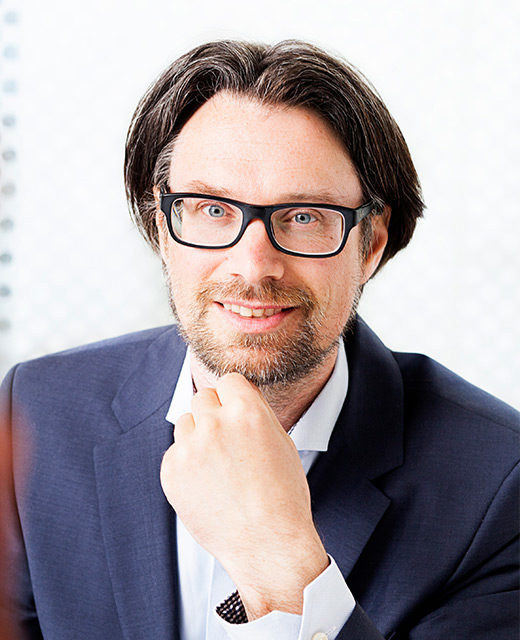
Three Questions with BCW Oslo CEO Kristian Sarastuen

THREE QUESTIONS WITH

Kristian Sarastuen

CEO, BCW OSLO

During the COVID-19 crisis, BCW has held a number of insightful seminars on the art of communicating during crises, highlighting the need to truly connect to people. In today’s digital world, how can companies leverage communication to build personal connections with customers, stakeholders, and the general public?

As we emerge from this crisis, the way we communicate will forever be changed. We are seeing businesses shifting into recovery mode, which will require not just rebuilding but, in many cases, a transformation and very likely a digital one as well. At the customer level, people will fundamentally think, feel, and behave differently. We are seeing an uptake in ecommerce, increasing adoption of new technology, and a merger between physical and virtual interactions. We need to study consumer attitudes and behaviors to understand what is temporary and what will last – and how this will impact the way brands interact with them. With stakeholders, companies need to communicate their long-term visions and strategies effectively while forecasting business and societal realities in the short-term. In light of that, overall brand narrative and messaging may require calibration when it comes to engaging with the general public. At BCW, we are working closely with our clients to navigate the NOW and prepare for the NEXT. Rich insights, creativity and strategic communications will be essential to moving people and that is exactly what we do.

Through your work with the Norwegian Environment Agency (Miljødirektoratet), BCW has built up considerable knowledge about the barriers Norway’s municipalities face when working with environmental initiatives. Given the critical importance of corporate sustainability in today’s global business environment, what can companies learn from these insights? How can they better communicate on sustainability?

Sustainability has for some time now been a top priority for boards and leadership teams. Now the analytics, investors, and financial teams are starting to get sustainability into their key assessments. I would say that companies that, within their scope, are not able to deliver on sustainability will have an uncertain future. 

In 2018, a team of experts at BCW and I read through the sustainability reports of the 100 largest companies listed on the Norwegian stock exchange. Our findings and recommendations are clear: Be honest, concrete and report on progress – or the lack of progress. Showing how sustainability has become an integrated part of the overall business strategy and clearly linked to core business is much more valuable than just a lot of words and reference to the UN SDGs. The key leadership team within the company should also be fully committed. Again, action speaks so much louder than words. For most companies and organizations, it is of vital importance to attract young talent. For the most part, these talented young individuals want to work for a company that is making a positive change. They are well trained – they can see through nice words to find proof of real action. So in short: Showcase action – and do not oversell.

Describe your dream vacation in the US. Where would you go and why?

I can clearly see myself on a remote ranch somewhere in California or Montana, maybe near the Rocky Mountains, living a calm cowboy-esque life riding in the forest, relaxing by the campfire, and fishing, while learning more about the US, its history, and its traditions.

I also really, really want to experience a space launch, hopefully witness the first liftoff with a manned journey to Mars. It will clearly be US know-how that can pull off such a great undertaking and it will define a new chapter in our history.

BCW’s COVID-19 webinars continue tommorow with the Teams live event BCW Nexus: A Modern Approach to Public Affairs – Through & Beyond COVID-19 at 15:00 CEST.

Click here for more information and registration.